

Best Corn Processing Machine for Efficient Grain Milling
2026-06-03
当玉米变成金黄的玉米粉,背后藏着一场效率革命。作为谷物加工的核心,玉米加工机如何让研磨事半功倍?PINGLE 的解决方案或许能打开你的新视野——它不仅重新定义了产能,更把能耗与品质平衡得恰到好处。想知道什么样的机器能让传统工艺焕发现代活力?一起揭开高效碾磨背后的秘密。
Inside the Modern Corn Milling Machine
Stepping inside a contemporary corn milling machine reveals a precisely engineered world of rotating rollers, sieving decks, and aspiration channels. The heart of the system lies in its breaking rollers—heavy, corrugated cylinders that crack open each kernel without pulverizing the germ or bran. These initial fractures are then sifted through a series of gyratory sifters, which separate the coarse endosperm chunks from the finer particles and fibrous pieces. Everything is enclosed to control dust, yet the low hum of motors and the soft rustle of grain create a surprisingly organic atmosphere within the metallic frame.
From there, the partially ground material travels upward via pneumatic lifts into purifiers—machines that use oscillating screens and targeted air currents to lift out lightweight bran specks and sort middlings by density and size. This multi-pass approach gradually reduces the endosperm into increasingly finer flour fractions. Modern mills often incorporate optical sorters that scan each stream for off-color particles, removing impurities that older machines might have missed. Temperature sensors throughout keep the process cool, preserving the nutritional integrity of the corn.
Behind the operation, a web of sensors and programmable logic controllers orchestrates every roller gap adjustment and air velocity change. Operators can monitor the entire sequence through touch-screen interfaces, receiving real-time feedback on moisture levels, extraction rates, and motor loads. Some systems even self-adjust to maintain a consistent particle size, reducing manual intervention. It’s a blend of old-world principles—gradual reduction, smart sifting—and modern precision engineering that makes the inner workings as fascinating as the flour itself.
What to Look for When Shopping for a Grain Mill
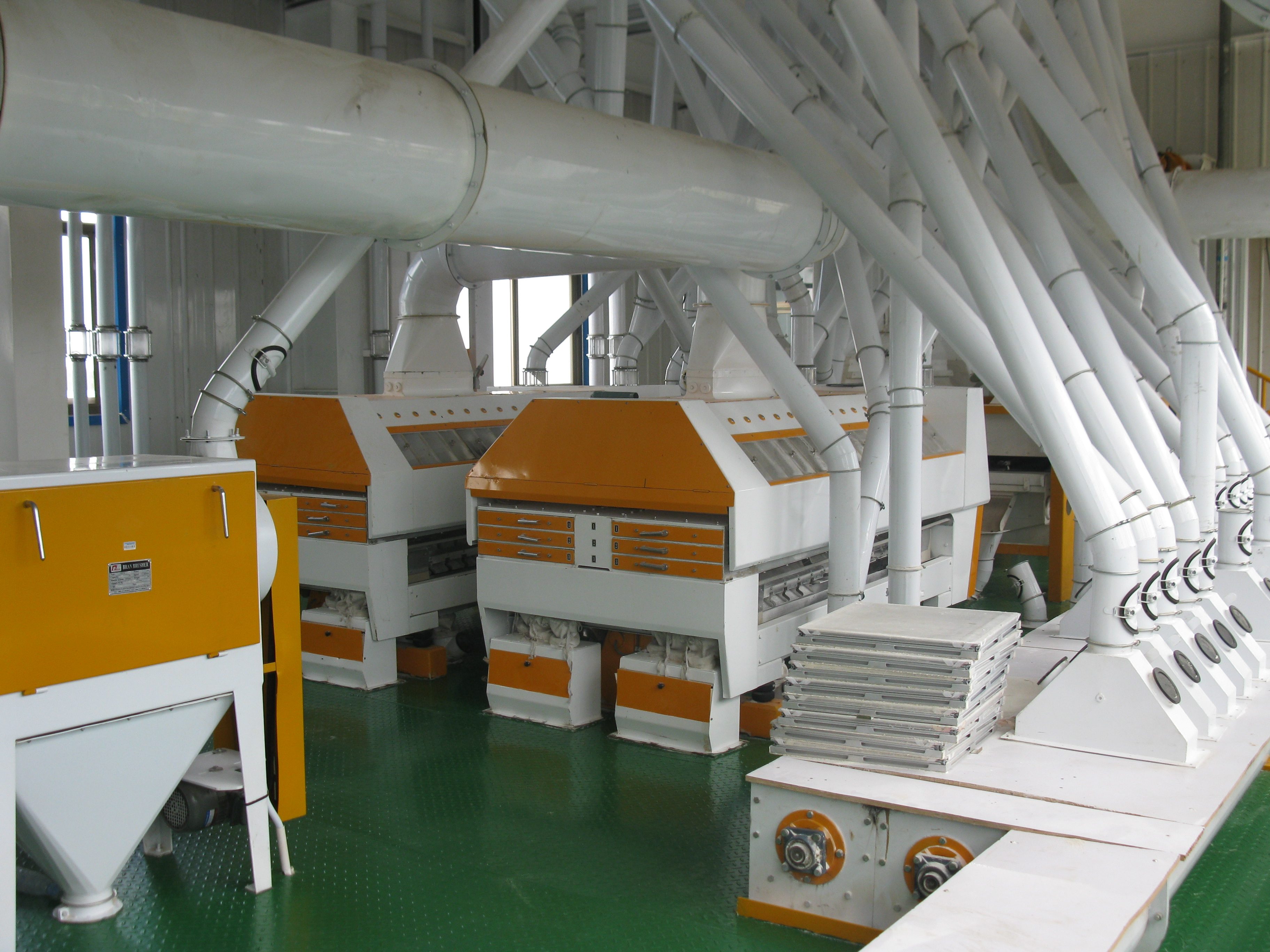
The most important factor is how the mill actually works. Stone burrs grind slowly, preserving nutrients and producing a fine, cool flour ideal for bread. Impact mills, on the other hand, spin at high speeds and can handle a wide range of dry grains, but they tend to heat up and may alter flavor. If you plan on milling oily seeds or legumes, stone is your best bet; otherwise, an impact mill might suffice for everyday wheat and corn.
Noise and speed also matter more than you'd think. Some mills roar like a jet engine, while others hum quietly enough to use before dawn without waking the house. Steel burrs and high-speed impact mechanisms are usually the loudest. Look for models with solid construction and sound-dampening features if you'll be milling early in the morning or in an open kitchen. A slower, quieter grind often yields a more consistent texture too.
Don't overlook the hopper size and cleanup routine. A large hopper saves you from refilling mid-batch, but if storage space is tight, a compact design with a removable hopper makes more sense. Ease of cleaning is crucial—flour dust gets everywhere, and a mill that's hard to disassemble will quickly become a chore. Aim for one with smooth, accessible parts that won't trap debris, and check if it can handle moisture in grains without gumming up the works.
Simple Upgrades That Boost Milling Efficiency
Swapping out standard end mills for variable-helix or high-feed designs can make a surprising difference in roughing operations. These simple tooling changes dampen chatter and allow for more aggressive stepovers, pulling more metal off per pass without beating up the spindle.
Small tweaks like dialing in your entry strategies can also save cycle time and tool life. Helical ramping or arc-in moves reduce shock loads on the cutter, while a smart pecking cycle in deep pockets keeps chips from building up and ruining your finish.
The Overlooked Factor in Corn Processing
In the rush to optimize yields and streamline operations, one critical element often slips under the radar: the steeping process. While advancements in grinding and separation technologies grab headlines, the initial soaking of corn kernels sets the stage for everything that follows. If the steep time or temperature is cut short, the kernels don’t soften enough, leading to uneven milling and lower starch extraction. On the flip side, over-steeping can ferment the corn and introduce off-flavors that reduce the quality of the end product. Getting this step right requires more than just following a standard recipe—it demands constant monitoring and adjustment based on the corn’s moisture, hardness, and even the season in which it was harvested.
Another detail that rarely gets enough attention is the water itself. Process water chemistry, particularly its pH and mineral content, can dramatically affect how well the corn breaks down. Hard water, for instance, can interfere with the absorption process and leave unwanted residues that complicate later stages. Some processors overlook this entirely, assuming any clean water will do, only to face unexplained bottlenecks or quality dips. By contrast, facilities that treat and condition their water to match the specific corn variety see measurably smoother runs and more consistent output. It’s a small tweak, but one that ripples through the entire operation.
How Seasoned Operators Reduce Downtime
Seasoned operators know that downtime isn't just about reacting to alarms—it's about developing an instinct for the subtle signs that something's off. They spend time walking the floor, listening to the rhythm of machinery, and noticing small changes in vibration, temperature, or output quality that less experienced eyes might miss. This hands-on awareness, built over years, lets them intervene early, often during planned pauses, before a glitch turns into a full stop.
When issues do arise, these operators rely on a mental library of past fixes rather than flipping through manuals. They've seen similar failures before and can quickly narrow down root causes, often bypassing lengthy diagnostic steps. Their approach blends formal troubleshooting with candid, undocumented workarounds that keep lines moving. More importantly, they mentor junior staff informally, passing on unwritten rules that keep recovery times short and teach others to think ahead rather than just follow procedures.
Matching Your Mill to Your Grain Types
Not all mills are created equal, and the grain you intend to process should guide your choice. Hard grains like wheat, rye, or dent corn demand a sturdy burr set—typically made of steel or high-quality ceramic—that can crack dense kernels without overheating. Softer grains and legumes, such as oats, barley, or lentils, are more forgiving and can be handled by a wider range of mills, but they often benefit from adjustable mechanisms to avoid turning them into paste. Oily seeds like flax or sunflower present another nuance: they can clog stone burrs or dull blades if the mill isn’t designed with oil-tolerant pathways. Knowing the physical character of your staple grains helps you avoid jams, preserve flavor, and extend the life of your equipment.
Look for a mill that offers clear grind settings if you cycle through different grains. For example, a fine flour setting that works beautifully for wheat might pulverize rolled oats into dust, while a coarse setting for cracked corn might leave quinoa largely intact. Some mills excel with one grain but struggle with others—impact mills, for instance, are fast and effective for brittle grains yet often fail with oily seeds. If your pantry is diverse, a multi-purpose mill with interchangeable burrs or adjustable speed can adapt without sacrificing consistency. Matching the mill to the grain isn’t just about getting the right texture; it’s about drawing out each grain’s full potential, whether you’re after a rustic bread flour or a ultra-smooth pastry grind.
FAQ
Focus on motor power, grinding mechanism durability, and adjustment options for different grain sizes. A machine with a high-capacity hopper and easy-to-clean design will save you time in the long run.
Modern machines can process large volumes in minutes with consistent results, eliminating the labor and time sink of manual grinding. They also reduce waste and give you precise control over texture.
Some models are built for dual-purpose milling, but it's crucial to check the manufacturer's specifications. Using a machine designed only for dry grain with wet corn can damage the motor and blades.
Regular cleaning of all contact surfaces, periodic blade sharpening or replacement, and oiling moving parts are key. Also, never overload the hopper beyond its rated capacity.
Yes, especially if you process food-grade products. Stainless steel resists corrosion, doesn't react with the grain, and is much easier to sanitize, making it a more hygienic choice in the long term.
It's critical for meeting different market demands—from fine flour for baking to coarser grits for animal feed. Machines with stepless adjustment allow you to switch quickly without changing screens.
An emergency stop button, overload protection, and safety guards around moving parts are non-negotiable. Some advanced machines also include sensors that shut down the unit if the lid is opened during operation.
Estimate your daily or hourly processing requirements and add a 20% buffer. A machine that runs at its limit constantly will wear out faster and may overheat, so choose one with slightly higher throughput than you currently need.
Conclusion
When you're after a corn processing machine that truly delivers efficient grain milling, it's worth taking a closer look at what sets the best ones apart. The core of any modern mill lies in its grinding mechanism—whether it's a burr or impact design, uniformity in particle size directly affects output quality. But efficiency isn't just about raw power; the overlooked element is often moisture control. Even a top-tier mill struggles if the corn's moisture content isn't dialed in, leading to clogs and inconsistent results. Seasoned operators know this well—they keep a weather eye on grain condition and adjust settings preemptively, sidestepping hours of downtime.
Shopping for a grain mill means looking beyond the motor horsepower. Pay attention to how easily you can swap or adjust components for different grain types; a machine that excels with dry field corn might choke on softer, oilier varieties. Simple upgrades like precision-gapped grinding plates or improved feed augers can boost throughput without overhauling your entire setup. The real advantage comes from matching the mill's design to your specific grain inventory—that's where you'll see consistent, smooth operation day after day. Combine all this with routine checks on wear parts and bearing alignment, and you'll push past the typical performance ceilings that many operations accept as normal.
Contact Us
Contact Person: Jiakuo Wu
Email: [email protected]
Tel/WhatsApp: +86-13011566087
Website: https://www.pinglemachine.com