

Best Flood Gates for Ultimate Home Flood Protection
2026-07-26
When rising waters threaten your home, every second counts. Flood gates offer a crucial line of defense, but not all solutions are created equal. From quick-deploy barriers to permanent installations, the right choice can mean the difference between minor dampness and devastating damage. THT has been engineering reliable flood protection for years, and in this guide, we cut through the noise to highlight the best options for keeping your property safe and dry.
Why Custom-Fit Flood Gates Beat One-Size-Fits-All
Imagine sealing an oddly shaped opening with a rectangular panel and expecting it to hold back a surge—it rarely works. Off-the-shelf barriers leave gaps, inviting leaks that multiply under pressure. Custom-fit gates, on the other hand, are engineered to match every contour of your entry point, creating a seal that actually lasts. The difference shows up the moment water rises: one system relies on hope, the other on precision.
Fabricators often stress that no two doorways, archways, or access points are truly identical. With a tailored solution, anchors align perfectly with existing materials, and seals compress evenly. There’s no wrestling with foam strips or awkward shimming. The result is a quieter install and far less maintenance over time, because nothing shakes loose or degrades unevenly. It’s a simple idea, yet skipping it leads to repeated failures.
Beyond the obvious defense against water, a bespoke flood gate respects the building it guards. Rather than forcing a standard kit onto a historic facade or a modern glass wall, the custom approach works with the architecture, preserving both form and function. When the water recedes, the gate isn’t an eyesore. And if the worst happens, that made-to-measure fit can mean the difference between a mop-up and a total rebuild.
Material Matters: Aluminum vs. Steel vs. Composite Barriers
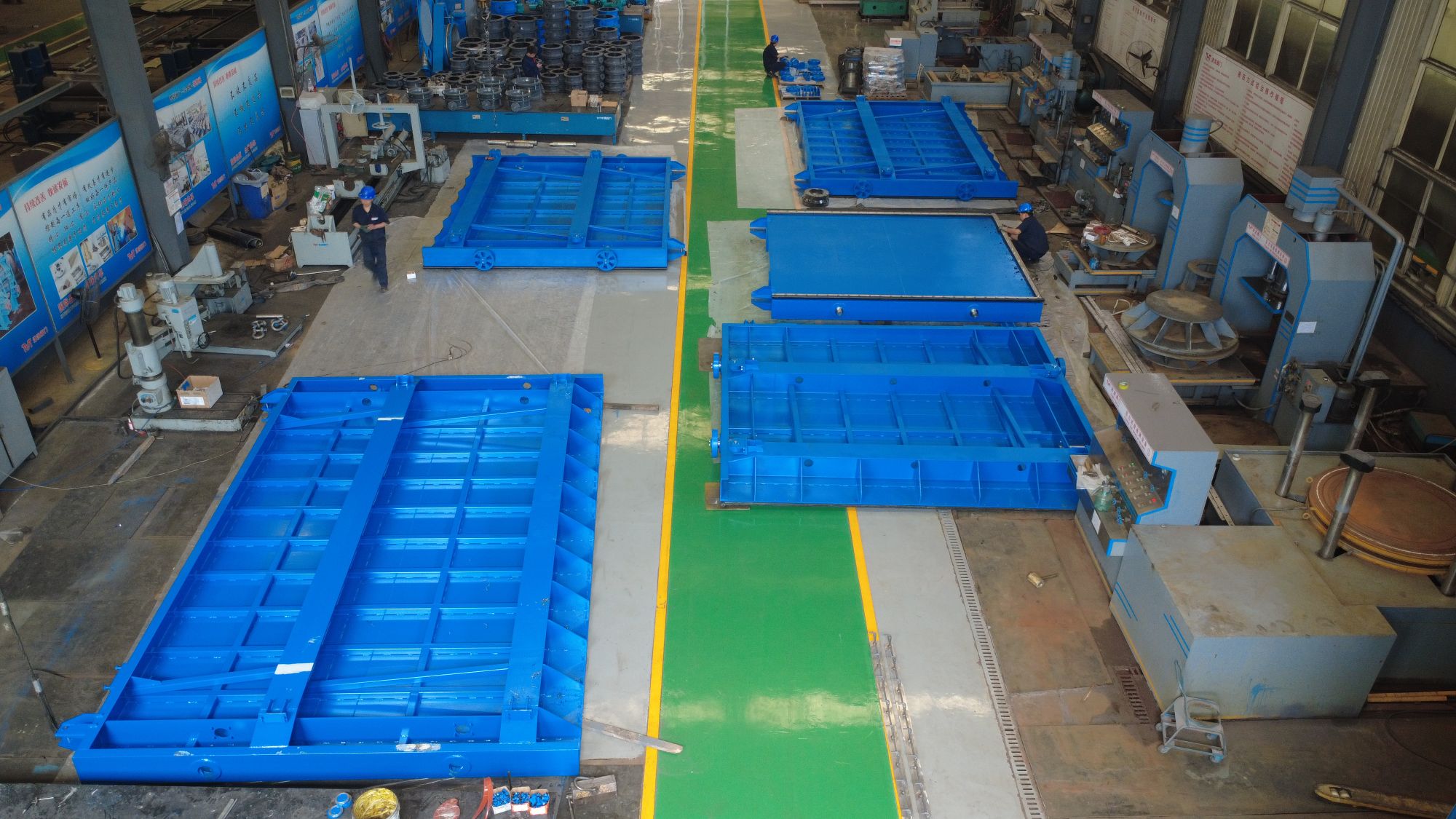
Choosing the right barrier material shapes everything from long-term durability to on-site handling. Aluminum brings a compelling mix of light weight and natural corrosion resistance, which often simplifies installation and reduces the need for protective coatings. Steel, on the other hand, offers unmatched brute strength and impact resistance, making it a go-to for high-security applications where sheer toughness matters most. Composite barriers step into the conversation when you need a tailored solution—blending fibers and resins to resist chemical exposure, dampen vibrations, or achieve specific stiffness-to-weight ratios that off-the-shelf metals can't match.
The cost conversation is rarely straightforward. Raw material prices fluctuate, but the bigger picture involves fabrication complexity, maintenance cycles, and lifespan. Aluminum extrusions can create intricate profiles without welding, potentially offsetting its higher base metal cost. Steel's weldability and wide availability keep upfront costs competitive, though long-term corrosion management—especially in coastal or industrial environments—adds hidden expenses. Composites often carry a premium due to specialized manufacturing, but they can eliminate painting, galvanizing, and recurrent inspections, shifting the economics over a project's lifetime.
There's no universal winner, only a best fit for the conditions at hand. A highway guardrail faces repetitive impacts and weather extremes—galvanized steel has dominated here for a reason. A chemical plant walkway demands resistance to spillage and constant foot traffic; fiberglass composites might outlast any metal. Architectural perimeter barriers blend form and function, and powder-coated aluminum can deliver the visual appeal without compromising structural integrity. The real skill lies in mapping material properties to the specific demands of threat level, environment, and maintenance appetite, then letting those factors dictate the choice rather than defaulting to habit.
Installation Secrets for a Watertight Seal Every Time
Achieving a truly watertight seal starts long before you pick up a tool. It’s about knowing your materials—how the gasket compresses, where the flange face might have a scratch, or why that bolt torque pattern actually matters. Most leaks don’t come from a single big mistake; they creep in through a series of tiny overlooked details. Spend time inspecting the sealing surfaces under a bright light, and if you can feel a ridge with your fingernail, don’t ignore it. A clean, dry, and perfectly mated surface is half the battle won.
The real secret is in the sequencing. You can have the best gasket on the market, but if you tighten the bolts in a random order, you’re practically inviting a leak path. Always follow a star or crisscross pattern, gradually bringing everything up to torque in three or four passes. And don’t trust your impact gun for the final round—use a calibrated torque wrench and go slow. Over-tightening is just as dangerous as leaving things loose; it can warp the flange or crush the gasket unevenly. Let the assembly settle, then re-check the torque after a few hours. That extra step turns a good seal into a lasting one.
Temperature swings and vibration are the silent killers of seals. When you’re putting something together, think about what happens when it heats up or gets knocked around. A thin smear of the right lubricant on threads can make your torque readings more accurate, but keep it away from the sealing face unless the gasket manufacturer says otherwise. And remember, a watertight seal isn’t just about stopping liquid—it’s about preventing air, steam, or anything else from slipping through. After installation, test it methodically: start at low pressure and watch for the slightest bead of moisture. If you catch a weep early, you can fix it before it becomes a full-blown failure.
How Adjustable Height Settings Adapt to Unexpected Surges
When sudden crowds hit, standard desks can't keep up, but height-adjustable workstations take it in stride. With a quick tweak, they transform from a sitting desk for one to a standing hub for a team huddle. This flexibility isn't just about comfort—it's a real-time response to overload, letting spaces double their capacity without missing a beat. The mechanism itself learns from usage patterns, almost predicting the next surge before it arrives.
The secret lies in the subtle sensors and intuitive controls. They catch the early signs—more bodies, hurried movements—and invite a switch in posture that opens up the floor. Instead of fixed layouts that buckle under pressure, these desks encourage a natural flow, turning a bottleneck into a breathing room. It's the difference between a rigid setup that breaks and one that bends perfectly to the moment's need.
Beyond just going up or down, these systems adapt their pace to the urgency. A slow, silent adjustment for regular use becomes a swift reconfiguration when time is tight. They handle the unexpected not as a disruption but as just another rhythm in the day. By blending hardware responsiveness with an almost intuitive sense of timing, they keep the work moving—no matter how many show up unannounced.
The Overlooked Role of Quick Deployment in Emergency Situations
When disasters strike, the first few hours often determine the trajectory of the entire response. Yet, the frantic scramble to get resources and personnel on site is seldom examined as a discipline in its own right. Quick deployment isn't merely about speed—it's about the choreography of logistics, communication, and local adaptation converging in a pressure cooker. Too often, agencies focus on stockpiling supplies or drafting elaborate plans, only to see them crumble when the ground shifts. What gets overlooked is the necessity of rehearsing not just the what, but the how—how teams integrate with existing structures, how equipment withstands chaos, and how decisions hold up when the clock is the enemy.
Another layer of the overlooked is the human element. It's not enough to have a plane full of aid workers if they land without cultural fluency or a clear chain of command that respects local responders. True rapid deployment demands that we embed situational awareness into every briefing, making room for improvisation without sacrificing coordination. The systems that succeed are those that treat the first 72 hours as a distinct phase with its own rules—lighter documentation, empowered field units, and a shared understanding that perfection is the enemy of action. These are the quiet mechanics that separate orderly aid from the expensive chaos that so often follows headlines.
Finally, there's the post-deployment void. No amount of rapid response matters if there's no exit strategy that shifts ownership to the community. The overlooked part of quick deployment is the deliberate handoff: knowing when to step back, how to transfer knowledge, and how to leave behind not just debris but durable improvements. In the rush to be fast, we forget that the goal is to make ourselves unnecessary. That's the paradox at the heart of every successful operation—speed must be a servant, not a master, and it must always carry the weight of sustainability on its back.
Maintenance Routines That Extend Barrier Lifespan by Years
A lot of barrier damage comes from small, overlooked issues that slowly chip away at durability. Instead of waiting for visible wear, get into the habit of checking seals, joints, and surface coatings every few weeks. A quick wipe-down with a mild, non-abrasive cleaner can prevent chemical buildup that quietly degrades materials. When you catch tiny cracks or loose fittings early, a simple patch or tightening job can stop moisture from seeping in and causing rust or rot underneath.
Weather and seasonal shifts put barriers through a real endurance test. Before winter hits, make sure drainage gaps are clear so freezing water doesn’t expand and crack the structure. In hotter months, UV rays can fade and weaken surfaces—applying a protective sealant at the right time of year makes a noticeable difference. It’s not about constant work; it’s about syncing maintenance with the climate patterns your barrier actually faces.
Don’t underestimate the value of documenting what you do. Keep a simple log of inspections, cleanings, and any repairs, no matter how minor. Over time, you’ll spot patterns—maybe a certain corner always corrodes faster, or a particular section collects debris. That knowledge lets you adjust routines and choose tougher materials or targeted fixes. It’s this kind of attentive, ongoing care that often doubles or even triples how long a barrier lasts without major overhauls.
FAQ
A truly effective flood gate combines a watertight seal, durable corrosion-resistant materials like aluminum or steel, and a design that can withstand high water pressure. It should also be easy to deploy quickly when a flood warning hits.
Measure the width and height of your door opening precisely, and choose a gate that fits those dimensions with an adjustable or custom-fit design. Many manufacturers offer templates or professional measuring guides to ensure a perfect seal.
Yes, there are removable and quick-deploy flood barriers that clamp into place without drilling or permanent brackets. These are ideal for renters or those who want to store the gate away when not in use.
Passive flood gates are always in place and activate automatically with rising water, like self-closing gates. Active flood gates require manual deployment, such as sliding panels or drop-in boards, which you install before a flood event.
Most flood gates are designed to stop water, but some heavy-duty models also provide impact resistance against floating debris. Check the product specs for additional protection from objects carried by floodwaters.
Regularly inspect seals for cracks or wear, clean debris from tracks or mounting points, and test the deployment mechanism annually. Lubricate moving parts and store removable gates in a dry place to prevent warping.
Conclusion
When safeguarding your home from rising waters, the difference between a minor cleanup and catastrophic damage often boils down to the flood gate you choose. Custom-fit barriers outshine generic alternatives by addressing the unique contours of your entryways, eliminating the weak points where water inevitably seeps through. The material you select also plays a pivotal role: lightweight aluminum offers effortless handling and corrosion resistance, galvanized steel delivers brute strength for high-pressure scenarios, and advanced composites provide a modern balance of durability and insulation. Yet even the sturdiest gate is only as reliable as its seal—impeccable installation with anchoring systems that compress gaskets evenly along the sill and jambs is the secret to a watertight defense every time.
Real-world flood threats rarely follow a script, which is why adjustable height settings are a game-changer, letting your barrier adapt to unexpected surges without frantic reconfiguration. Equally critical is the speed of deployment: in an emergency, a gate that snaps into place or relies on intuitive drop-in panels can mean the difference between containment and chaos. Finally, preserving that protective edge demands consistent maintenance—lubricating moving parts, inspecting seals for wear, and storing components properly can extend the lifespan of your system by years, ensuring it stands ready season after season. A truly ultimate flood gate merges thoughtful design with user-focused practicality, turning a frantic race against water into a calm, controlled response.
Contact Us
Contact Person: Su Zhang
Email: [email protected]
Tel/WhatsApp: +86-25219206
Website: https://www.tht-valve.com/