
Best Outdoor Kit Supplier: Top Gear for Every Adventure
2026-11-03
Every adventure demands gear you can trust, but the real test comes when the unexpected hits. That’s where Kebon steps in — not just another supplier, but the outdoor kit partner that fills the gaps others leave behind. From rugged trails to stormy campsites, the right preparation separates a story you laugh about from one you’d rather forget. So before you zip that pack, ask yourself: is your gear really ready for everything the wild can throw at you?
Gear That Earns Its Place in Your Pack
Every ounce in your pack should justify itself. The best gear isn't about having more—it's about carrying less that does more. Start by questioning each item: does it solve a real problem, or just add weight with a vague promise? A titanium spork that also works as a pot scraper beats a full cutlery set. A down jacket that packs into its own pocket earns its spot over a bulky fleece. The goal is a kit where nothing feels redundant, and every piece pulls double duty when the trail gets tough.
Look for gear that adapts to changing conditions rather than forcing you to carry separate solutions. A shelter that pitches with trekking poles, a headlamp with a red-light mode for camp, a rain shell that breathes well enough to wear as a wind layer—these are the quiet workhorses. They don't demand attention; they simply make your life easier mile after mile. When you reach for something at the end of a long day and it feels like an old friend, you know it has earned its place.
Finally, test your choices on short trips before committing them to a big adventure. The gear that survives a wet weekend, a rocky descent, and a cramped bivy is the gear that deserves a permanent slot. It's not about brand names or spec sheets—it's about what actually works when you're tired, cold, and far from the trailhead. Pack light, pack smart, and let every item prove itself.
Field-Tested, Not Just Showroom-Shined
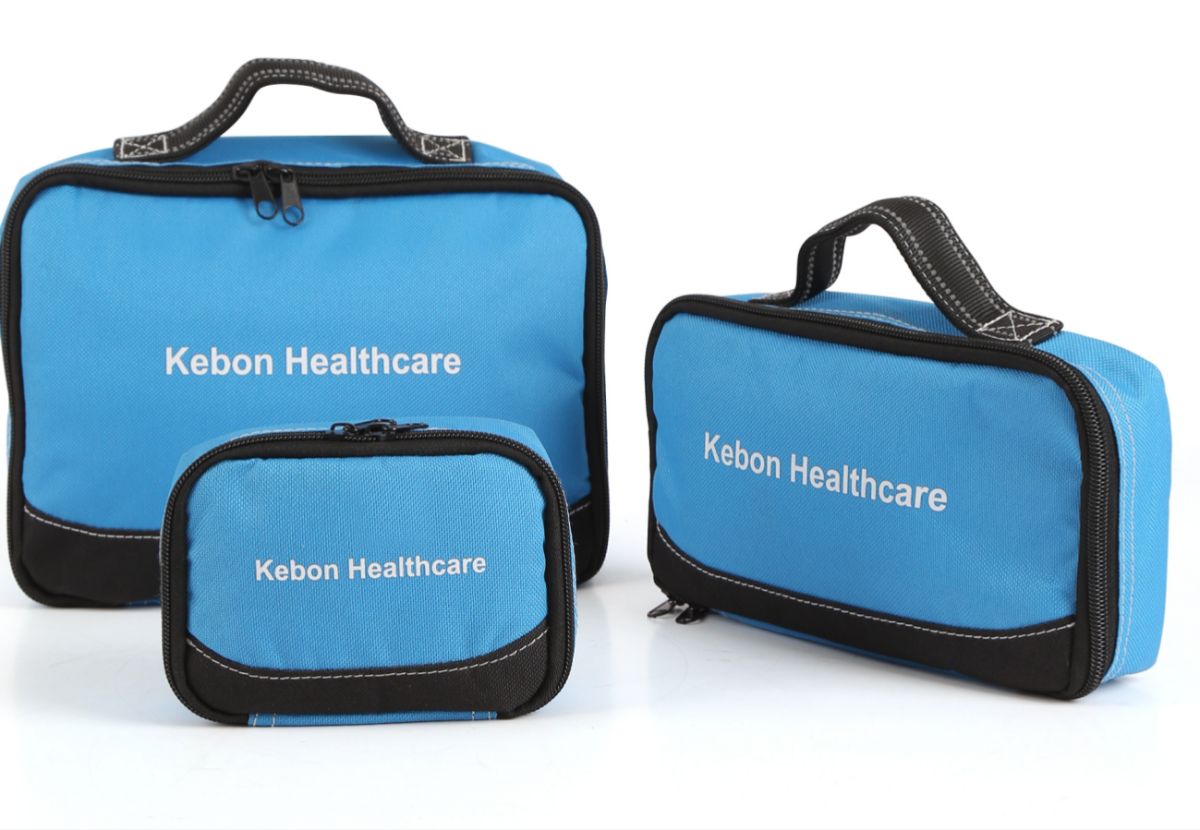
The gear that survives the trail, the job site, or a week of real weather earns its keep through honest wear. Our products don't sit on a pedestal—they get scuffed, rained on, and put through the same awkward motions you'd never try in a store. That's where the weak points show up, and that's exactly where we make them stronger.
You won't find silicone sprays or staged photo shoots here. What you'll see is the faded fabric, the loose thread that held, the zipper that still runs smooth after a thousand pulls. Every item we carry has been used by someone who actually needed it, not just someone who wanted to look like they did. If it couldn't handle a muddy boot or a sharp rock, it never made the cut.
Pretty gear is easy. Dependable gear takes time, bruises, and a few good stories. We'd rather show you the repaired seam and the still-grippy sole than a flawless first impression. Because out there, in the middle of nowhere, the only shine that matters is the one you earn by getting back.
Kits Built Around Real Trail Days
These kits didn't start as a spreadsheet of components. They grew out of actual trail days where rain arrived earlier than forecast, where the last climb demanded more water than planned, and where a broken buckle taught us what not to pack next time.
Each setup follows the rhythm of a real day on foot. Morning starts need quick access to snacks and layers without dropping your pack. Midday heat means ventilation and a place to stow a soaked shirt. By evening, you want the small comfort items that make camp feel less like a bivouac and more like a pause worth taking.
So the pockets, straps, and weight distribution aren't arbitrary. They reflect the way you actually move, reach back for water, or cinch down a load after the trail gets steep. It's less about a polished product photo and more about the miles that shaped it.
From Weekend Walks to Multi-Day Treks
There’s a certain rhythm to a weekend walk—the familiar trailhead, the packed lunch, the easy return before dark. It’s how most of us start, lacing up boots for a few hours of fresh air and a sense of escape. But soon, those short outings begin to feel like appetizers. You wonder what lies beyond the next ridge, where the path continues after you’ve turned back. That curiosity is the quiet spark that turns a casual hiker into someone planning overnight routes, studying topo maps, and weighing the merits of a lighter pack.
Moving into multi-day trekking isn’t just about adding miles; it’s a shift in mindset. Suddenly, your rucksack becomes a tiny home—shelter, kitchen, and closet rolled into one. You learn to read the sky for weather, ration snacks between resupply points, and accept that discomfort fades but the memory of a dawn summit stays. The progression feels natural: first a long day, then a weekend with a single overnight, then a string of ridgelines where each camp is a new horizon. By the time you’re shoulder-deep in a week-long traverse, the trail has stopped being a break from life and started feeling like the point of it.
The Shortcut to Packing Like a Pro
Most people cram their bags the night before and wonder why the hotel room looks like a crime scene. The real shortcut is treating your suitcase like a tiny apartment: every item needs a designated room. I use one packing cube for bottoms, one for tops, and a slim pouch for underwear and socks. That way, nothing hides in the corners and you never have to unpack fully to find a phone charger.
Another trick is to build outfits around a single color family instead of planning for imaginary scenarios. If everything you pack works with black, navy, or olive, you can grab any top and any bottom in the dark and still walk out looking intentional. Leave the 'just in case' items at home—if you truly need them, the front desk or a corner store usually has you covered.
Finally, pack your bag, then remove three things. The physical act of editing your own list forces you to confront what you actually wear versus what you hope to wear. I can't tell you how many trips I've saved five minutes each morning simply because I didn't bring a fourth pair of shoes.
Weather-Proof Picks for Fickle Skies
When the forecast can't decide between sun and a sudden downpour, the smart move is to build your outfit around pieces that shrug off both. A lightweight shell that packs into its own pocket saves you from lugging a bulky umbrella and still keeps your shoulders dry when the sky opens up. Look for fabrics with a bit of stretch, so you can layer a chunky knit underneath without feeling like you're wearing a tent.
Skip the cotton tees and denim that soak up rain and take hours to dry. Instead, lean on quick-drying pants, merino-blend socks, and shoes with a grippy sole that won't turn slick on wet pavement. A brimmed hat or a hood with a stiff peak can do more than you'd expect, keeping drizzle off your glasses and letting you see clearly when the wind picks up.
Color-wise, muddy tones and dark neutrals hide the splatter from passing cars, while a bright lining or a pop of reflective trim keeps you visible on gray afternoons. The goal isn't to dress for the worst-case scenario every day, just to make sure a sudden shift in weather doesn't derail your plans or your mood.
FAQ
Their team field-tests everything from multi-day treks to alpine climbs, and they publish honest breakdowns of materials, seams, and zippers. User reviews also mention long-term durability in harsh weather.
You'll find curated kits for backpacking, mountaineering, kayaking, winter camping, and trail running. Each category is stocked with pieces that work together rather than a random assortment of branded items.
Both. They offer entry-level bundles that focus on comfort and forgiveness, while the advanced lines strip weight and add technical features without making beginners feel lost in the specs.
Instead of stocking every possible item, they handpick a smaller range where each piece earns its place through performance testing. You get fewer decisions, better quality control, and staff who actually use the gear on their own trips.
Most items come with a lifetime repair or replacement guarantee against manufacturing defects, and their support team can ship replacements to trail towns or basecamps if something breaks unexpectedly.
There's a clear split. For fastpacking and thru-hikes, you'll see ultralight shelters, quilts, and carbon trekking poles. For car camping or winter expeditions, they carry burly four-season tents and expedition-grade stoves.
They refresh the lineup every season, but only when a new fabric, insulation, or buckle design actually improves performance. You won't see flashy gimmicks—just meaningful upgrades that survive their testing protocol.
If you go out more than a few weekends a year or face unpredictable weather, the top tier pays for itself in comfort and reliability. Budget picks from the same supplier are still vetted, so you won't end up with something that fails on day one.
Conclusion
When you're sorting through outdoor suppliers, the difference between gear that gathers dust and gear that actually earns its place in your pack comes down to how it's made and tested. The best kits are built around real trail days, not just polished for a catalog photo. That means every strap, pocket, and zipper has been dragged through mud, rain, and early-morning scrambles before it ever reaches your hands. What you get is a collection of pieces that work together—no dead weight, no gimmicks. From weekend walks along breezy ridgelines to multi-day treks with heavy packs, the setups hold up because they were designed for people who actually go outside, not just daydream about it.
Weather is rarely on your side, so weather-proof picks for fickle skies matter more than almost anything else. A good supplier knows that a sudden downpour or a cold snap can change everything, and they bake that into the fabric choices, seam taping, and layer systems. Rather than forcing you to guess what to bring, the kits act like a shortcut to packing like a pro—clear, modular, and stripped of the filler. What's left is gear that handles drizzle, wind, and unexpected heat without turning your pack into a survival puzzle. If you've ever stood at a trailhead second-guessing your loadout, this is the kind of kit that makes the decision simple.
Contact Us
Contact Person: Andy Yu
Email: [email protected]
Tel/WhatsApp: +86 19858933676
Website: https://www.kebonfirstaid.com