

Best Pharmaceutical Facility Features That Ensure Quality and Compliance
2026-09-15
Quality in pharmaceutical manufacturing isn't just about passing inspections—it's engineered into the facility itself. From cleanroom airflow to material flow, every design choice either protects compliance or quietly erodes it. In this post, we explore the features that separate high-performing plants from risky ones—drawing on the standards and practices that GENO Pharmatech upholds in every project.
Pressure Cascade Design That Keeps Contamination Moving Outward
In cleanroom and isolation environments, maintaining directional airflow often relies on a carefully staged pressure cascade. Rather than trying to seal every gap absolutely, the strategy works with the physics of air movement: higher-pressure zones push air toward lower-pressure zones, carrying any airborne particles away from critical processes. The outermost areas, where contamination is most likely to enter, are kept at the lowest relative pressure, so that when doors open or pass-throughs are used, the air flows inward from the controlled core, never letting dust or microbes drift toward sensitive work.
This outward-moving cascade is typically achieved by setting specific differential pressure targets between adjacent rooms. A common layout places the cleanest space at the highest positive pressure, with each surrounding buffer zone stepped down by 10 to 15 pascals. Continuous monitoring and automatic damper adjustments prevent pressure inversion, even when a door is left ajar or exhaust systems fluctuate. The result is not just containment but a passive, always-on safeguard that works without relying on personnel to remember protocols.
What makes this design compelling is its resilience under real-world conditions. Instead of battling leaks, the system embraces them as part of the flow path, directing any potential contamination monotonically outward. Maintenance teams can focus on keeping the pressure sensors calibrated and the building envelope reasonably tight, while the cascade itself does the heavy lifting. For facilities handling potent compounds or sterile products, this layered pressure logic remains one of the most dependable ways to keep contamination moving away from the product and the operator.
Environmental Monitoring Points Mapped to Actual Risk Zones
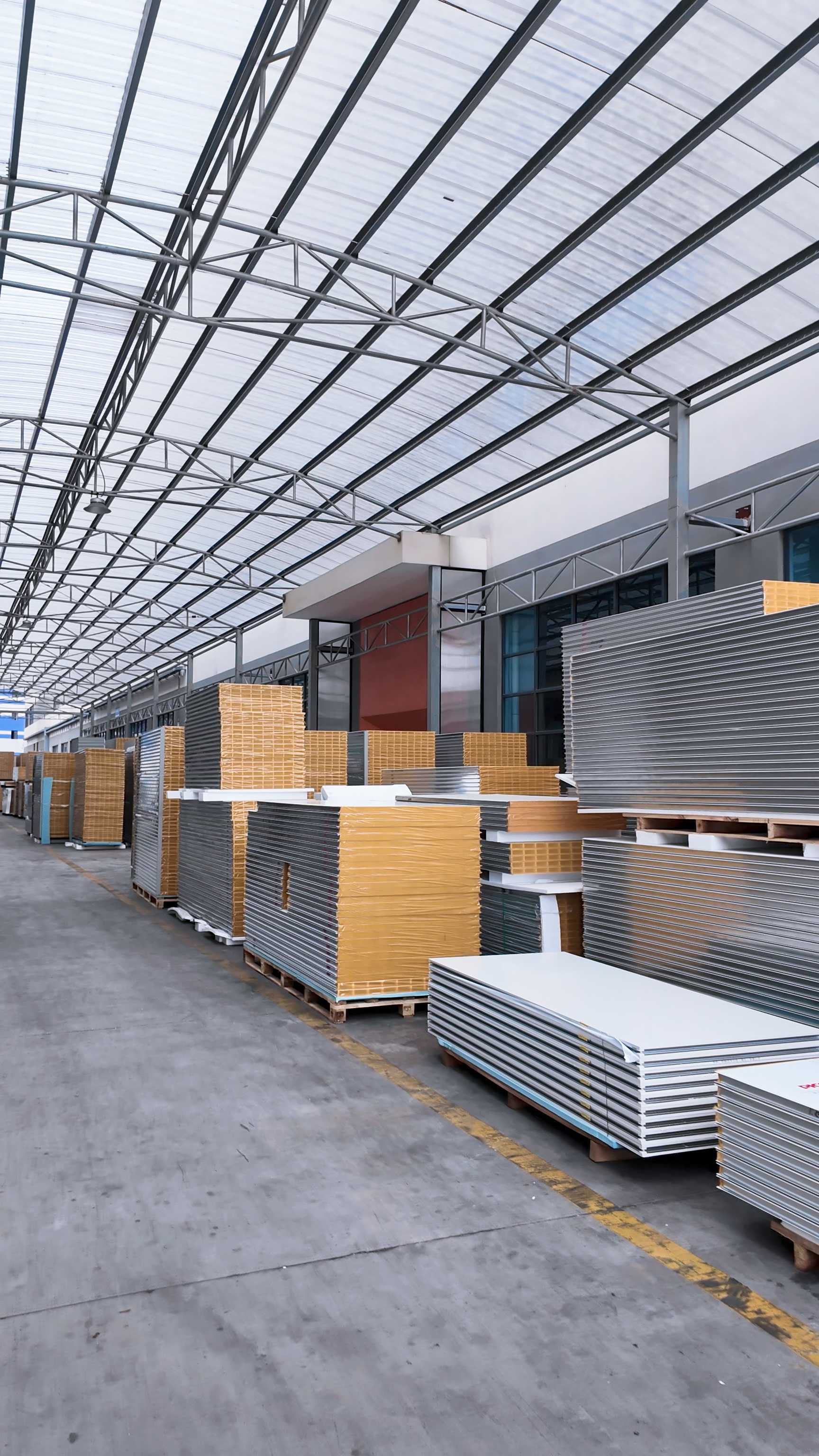
Instead of scattering sensors across a landscape based on convenience, this approach anchors each monitoring station to zones where real hazards have been identified—flood corridors, industrial discharge paths, or unstable slope segments. The result is a network that reflects how risk actually distributes across the terrain, not just where public land or existing infrastructure makes installation easy.
Field teams overlay historical incident data, soil permeability layers, and drainage models before fixing a single point. Then each candidate coordinate is weighted against observed failure frequencies and exposure to nearby communities. Points that fall outside meaningful risk polygons are dropped, even if they offer better cellular coverage or simpler maintenance access. What remains is a lean set of locations where every reading has direct consequence for early warning or compliance reporting.
The mapped output allows operators to trace a single alert back to a specific vulnerable asset—a culvert, a retention basin, a fenceline monitor—rather than guessing which administrative area the data belongs to. Updates to the risk layer trigger automatic reassessment of point placement, so the network can shift as erosion patterns, land use, or climate projections change.
Material Airlocks That Eliminate Manual Transfer Errors
A material airlock does more than separate two environments. It forces a deliberate handoff sequence that makes it nearly impossible to pick up the wrong container, skip a disinfection step, or send an item through the wrong side. Operators follow a physical flow that matches the written SOP, so the transfer itself becomes the verification step.
Many manual transfer mistakes come from rushing or from a crowded staging table where look-alike bags and bins sit side by side. Interlocked doors force single-direction movement, and load-side sensors can flag unmatched barcodes before the far door unlocks. That removes the most fragile part of the process: an operator having to remember which tray was already wiped and which batch was cleared for release.
When every pass-through is tied to an electronic batch record, the airlock stops acting as just a doorway. It becomes a checkpoint that records what moved, when, and by whom. This closes the gap between written procedure and actual practice, cutting the small label mix-ups and skipped logs that often surface during audits.
Cleaning Validation Protocols Built Around Worst-Case Residues
Rather than validating every product-contact surface against every possible residue, many facilities anchor their cleaning validation on a deliberately selected worst-case residue. This is not a shortcut—it is a risk-based logic that assumes if the most stubborn, least soluble, or most toxic residue can be reduced below acceptance limits, then less challenging residues will be adequately controlled by the same procedure. The selection typically combines solubility data, batch records, toxicity profiles, and actual cleaning performance observed during development runs.
Once the worst-case residue is identified, protocols are built around exaggerated conditions: extended dirty hold times, reduced wash temperatures, lower detergent concentrations, or maximum soil loads that reflect a realistic but conservative production scenario. Sampling points are placed where residue is most likely to lodge—gaskets, dead legs, transfer lines, and difficult-to-reach vessel interiors. Acceptance criteria are then expressed not as a generic “visually clean” standard but as carryover limits calculated from permitted daily exposure, smallest subsequent batch size, and shared surface area.
Documentation should emphasize the rationale for residue selection and the data that support it. If a worst-case compound changes due to a new product introduction, the existing matrix may need to be reassessed. This prevents protocol drift and keeps the cleaning program defensible during inspections without multiplying validation studies unnecessarily.
Single-Use Fluid Paths That Cut Cross-Batch Contamination
Reusable stainless steel fluid paths can hold onto traces of product, cleaning chemicals, or microbial contamination even after validated cleaning cycles. Single-use assemblies sidestep this entirely. Each batch gets a new, presterilized flow path—tubing, connectors, filter capsules, and bags—sealed and ready to connect. Once the run ends, the entire assembly is discarded, so there is no shared surface between product A and product B.
The practical effect is most visible in multiproduct facilities. Instead of spending hours on clean-in-place and steam-in-place verification, operators simply swap in a fresh kit. This cuts downtime and removes the judgment calls around cleaning effectiveness. For high-potency compounds, antibody-drug conjugates, or patient-specific cell therapies, the isolation is not just convenient; it is often the only way to protect both product and personnel.
Design details still matter. Tubing bore, connector type, and bag film chemistry influence flow characteristics and extractables. Vendors now offer prevalidated assemblies with documented sterility claims and standardized connection interfaces, which reduces the engineering burden on end users. While waste volume increases, many teams accept that trade-off because the alternative—cross-batch contamination—can be far more expensive.
Operator Training Scenarios Based on Real Deviation Events
Most training programs lean on hypothetical failures that feel sanitized and forgettable. But when operators sit through scenarios pulled from actual deviation events—those messy, unplanned moments where instruments drifted, valves stuck, or a batch nearly went sideways—the lessons stop being theoretical. They become recognizable. A real case might start with a small pressure fluctuation at 2 a.m., a decision to wait just five more minutes, and then a cascade that no one in the control room expected. Walking through that exact sequence, step by step, forces trainees to confront how tiny judgment calls turn into reportable incidents.
The power of these real-event drills is that they carry the residue of human reaction. Instead of a perfect timeline, operators get the version that includes the shift handover that was too brief, the alarm that was silenced out of habit, or the operator who assumed a sensor was faulty because it had failed twice the month before. Rebuilding those moments into interactive scenarios—where trainees can pause, ask “what would you do here?”, and compare their choices to what actually happened—creates a kind of muscle memory that generic simulations can’t match. It also normalizes talking about near misses, which most plants would rather bury in a spreadsheet.
For training coordinators, the trick is not just pulling the incident report but interviewing the people who were there. What did the panel look like at the moment of deviation? Which alarms were ringing and which were ignored? How long did it take to realize something was off? Those details turn a dry event description into a living case study. One effective format is to give trainees only the information available at the time, not the hindsight, and let them experience the same uncertainty. Then after the debrief, overlay what the investigation later found. The gap between the two is where real learning happens—not in memorizing procedures, but in recognizing the feel of an operation drifting out of normal.
FAQ
The most effective layouts treat air, people, and materials as potential contamination sources. You'll typically see cascading pressure differentials between rooms, HEPA-filtered air supplied through terminal units, and smooth, cleanable surfaces with coved corners. Airlocks and interlocked doors prevent simultaneous opening, while segregated corridors for personnel and materials reduce cross-flow. Drainage and sealing details also matter—floor drains with proper traps and recessed fixtures limit microbial harborage.
Cleanroom grades determine gowning requirements, cleaning frequencies, and how often you need to monitor viable and non-viable particles. In a Grade C or ISO 7 area, operators might wear full coveralls and change gloves more frequently; in Grade A or ISO 5, the focus shifts to aseptic technique and minimizing even brief interventions. The classification also dictates whether you can stage materials openly or must use pass-through chambers, which directly affects batch turnaround times.
Sensors give you raw data, but the real value comes from interpreting trends and linking them to specific activities. A strong program defines alert and action limits based on historical performance, not just regulatory minimums. It also includes surface and personnel monitoring at critical locations, with clear investigation procedures when excursions occur. Without that context, you're collecting numbers instead of controlling contamination.
Qualification proves that a piece of equipment does what it's supposed to under actual operating conditions—not just on paper. Installation qualification verifies proper setup, operational qualification challenges parameters like temperature or speed, and performance qualification confirms consistency with real product or placebo. Skipping or rushing this often leads to batch failures or regulatory findings, because unqualified equipment can introduce variability you won't detect until it's too late.
The simplest approach is to separate processes by risk level and keep unidirectional flow moving from cleaner to dirtier areas. Dedicated corridors for raw materials and finished product, plus separate sampling and dispensing booths, prevent mix-ups. For potent compounds, containment relies on negative pressure rooms, closed transfer systems, and sometimes dedicated HVAC. The layout should also include clearly marked changing rooms that act as physical and procedural barriers between different zones.
Inspectors want to see that what you do matches what you wrote down—and that you wrote it down when it happened. Use contemporaneous records, avoid backdating, and correct errors with a single line and initials rather than obscuring the original entry. Batch records should include all critical process parameters, deviations, and any investigations. Electronic systems need audit trails and access controls to prove data integrity. If a record looks too clean or too vague, that raises more questions than a thorough, honest deviation report.
Base maintenance on actual equipment usage and risk, not just calendar intervals. Critical utilities like WFI loops and HVAC require more frequent attention, while non-critical items can follow a longer cycle. Predictive tools—vibration analysis, thermography, particle counts—help catch wear before failure. Also, build in spare parts for known failure points and schedule intrusive work during planned shutdowns. A schedule that ignores operational reality will either over-maintain and waste resources or under-maintain and trigger breakdowns.
Training should go beyond annual slide decks. Use hands-on demonstrations, periodic requalification, and real deviation examples to show why procedures exist. Assess competency through observed performance, not just test scores. For aseptic operations, include media fill participation and gowning qualification. Keep records of exactly which version of a procedure each person trained on, so when a procedure changes you can close the gap quickly. Staff who understand the "why" behind a rule are far less likely to break it unintentionally.
Conclusion
A well-designed pharmaceutical facility treats containment not as a single barrier but as a layered system where pressure differentials actively push air away from critical zones. Rather than placing monitoring sensors at convenient locations, the most reliable sites map each probe to a specific risk area, so any excursion reflects a real process threat instead of a generic room reading. Material airlocks further support this by removing the need for operators to manually shuttle components across cleanroom boundaries, reducing the chance of missteps that lead to contamination.
Cleaning programs built around worst-case residues force teams to prove that even the hardest-to-clean compounds are removed, not just the easiest ones. Single-use fluid paths simplify this by replacing reusable tubing and connectors with disposable assemblies, shrinking the risk of cross-batch carryover. Training also becomes more practical when it draws from actual deviation events, turning past failures into hands-on scenarios that help operators recognize early warning signs before they escalate into compliance gaps.
Contact Us
Contact Person: Amy Yang
Email: [email protected]
Tel/WhatsApp: 008619330882686
Website: https://www.genopharmatech.com/