

Best Plastic Corrugated Boxes for Secure and Sustainable Packaging
2026-06-11
When it comes to shipping products safely without harming the planet, plastic corrugated boxes are rewriting the rules of packaging. These durable, reusable containers are fast becoming the go-to choice for businesses that demand both security and sustainability. But what sets the best options apart in a crowded market? From superior impact resistance to eco-friendly material innovation, ShiTeng Packaging has been quietly perfecting its craft. In this guide, we unveil what makes their boxes a smart investment—and why they might just be the upgrade your supply chain needs.
Why Plastic Corrugated Outperforms Traditional Cardboard
Plastic corrugated is built for resilience where cardboard falls apart. It shrugs off moisture, chemicals, and repeated impacts without warping or weakening. Unlike cardboard, which soaks up water and crumbles under pressure, this material holds its shape through wet processing, outdoor storage, and rough handling. That means fewer replacements and less waste, even in harsh environments.
Long-term cost tells a different story than the upfront price tag. While cardboard is cheaper per box, the constant repurchasing, higher damage rates, and disposal fees add up quickly. Plastic corrugated can be used hundreds of times, slashing per-trip costs and supply-chain headaches. Lightweight yet rigid, it also stacks more efficiently, saving space in warehouses and trucks.
Cleanliness and recyclability give it the edge in regulated sectors. It doesn't shed fibers or trap bacteria the way cardboard can, making it ideal for food, pharmaceutical, and electronic applications. And when it finally reaches end-of-life, polypropylene corrugated is fully recyclable through established streams, keeping it out of landfills and aligning with circular-economy goals.
Engineering a Safer Supply Chain with Impact‑Resistant Design
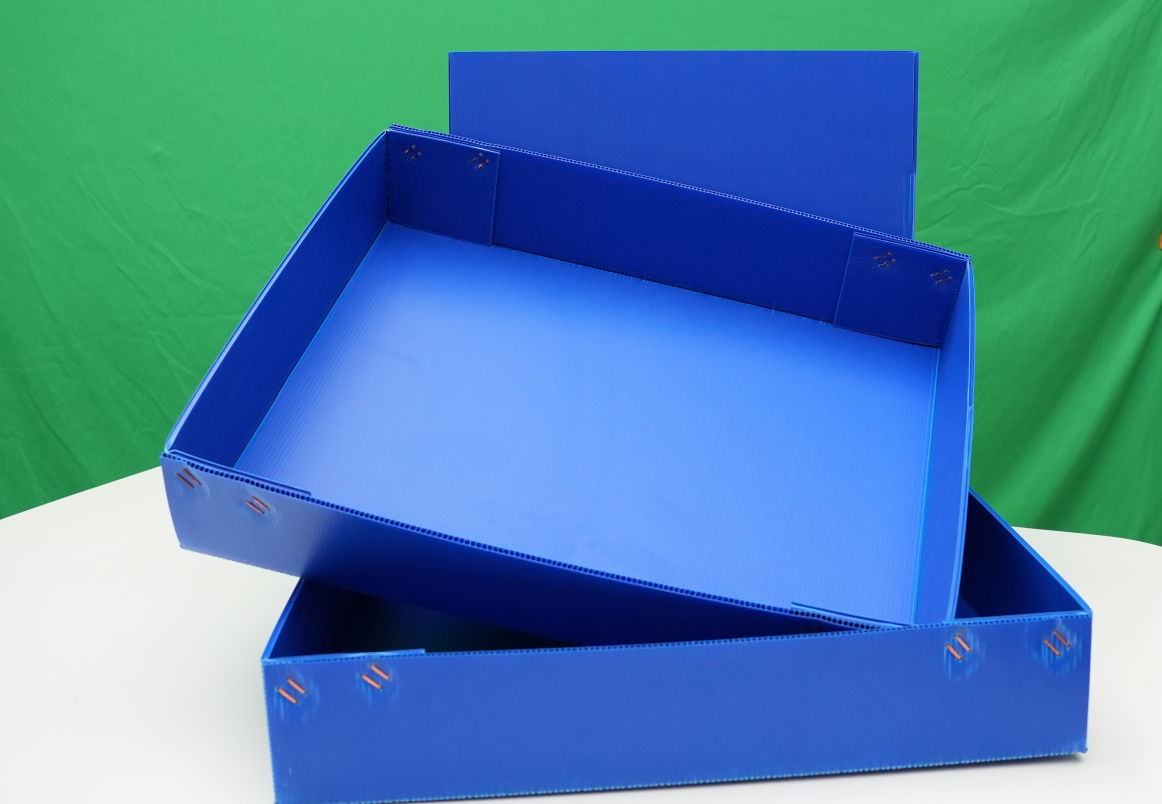
Modern supply chains face relentless physical stress—from automated sortation systems to long-haul truck vibrations. Impact‑resistant design embeds protection directly into product and packaging engineering, absorbing shock before damage propagates. By simulating real‑world drop scenarios and material fatigue during the R&D phase, manufacturers can identify weak points and reinforce them without adding bulk. This upfront investment reduces downstream losses caused by fractured components or punctured containers, ultimately keeping shipments intact through every handoff.
Sustainable materials now play a dual role, delivering both cushioning and environmental gains. Molded fiber inserts and engineered biopolymers dissipate energy as effectively as petroleum‑based foams while decomposing responsibly. Strategic ribbing and geometric lattice structures direct stress away from critical areas, a technique borrowed from automotive crumple zones. When paired with reusable modular packaging, these designs create a circular system where products survive multiple trips undamaged, slashing both material waste and replacement costs.
Collaboration across the value chain amplifies these benefits. Suppliers sharing performance data help refine pallet‑stacking limits and container load‑sharing strategies, preventing common transit failures. Logging impact events via embedded sensors provides a feedback loop that continuously improves protection models. Rather than accepting breakage as inevitable, companies that engineer resilience from the start—through material innovation, structural testing, and integrated logistics—build a supply chain that safeguards both assets and reputation.
Sustainability Beyond the Surface: Recycled Content and Circular Lifecycles
Sustainability has evolved far beyond a simple marketing claim. Today, it's about scrutinizing the entire journey of a product, from raw material extraction to end-of-life disposal. When we talk about recycled content, we're not just referring to a token percentage of post-consumer waste mixed into virgin materials. It's a deliberate design choice that reduces reliance on finite resources, cuts down energy consumption during manufacturing, and lessens the burden on landfills. But the real shift happens when we embed circular principles into the product's DNA, ensuring that every component can be disassembled, repurposed, or returned to the production cycle without loss of quality.
A circular lifecycle demands a holistic rethink of how things are made. Instead of the traditional linear model—take, make, dispose—products are conceived with their next life in mind. This means selecting materials that not only have high recycled content but are also themselves recyclable at scale. It requires designing for modularity, easy repair, and material separation. For instance, a piece of furniture built with recycled aluminum and FSC-certified wood, held together by mechanical fasteners rather than adhesives, can be endlessly refurbished or fully recycled at the end of its useful life. This approach transforms waste from an afterthought into a valuable resource stream, closing the loop and drastically minimizing environmental footprint.
True progress lies in transparency and systemic change. It's not enough to use recycled ocean plastics if the surrounding infrastructure can't effectively process that material again. Brands that take sustainability seriously are investing in take-back programs, partnering with specialized recycling facilities, and openly sharing data on their material flows. They're challenging the status quo by proving that products can be both beautiful and built to regenerate. By choosing items designed for circularity, consumers become active participants in a restorative economy, where every purchase supports a system that prioritizes the planet's health over convenience.
Customization That Cuts Waste and Protects Your Brand
True customization goes beyond logos. It shapes how products are made, delivered, and experienced. By producing only what’s needed, you eliminate excess inventory and the waste that comes with it. This approach keeps materials out of landfills and aligns your operations with genuine customer demand—not guesswork.
Every custom detail reinforces your brand’s promise. When customers receive items tailored to their preferences, packaging designed with care, and unboxing moments that feel personal, they remember who sent it. That loyalty protects your brand against competitors and price wars, turning buyers into advocates who value the thoughtfulness behind every order.
Waste isn’t always obvious—overproduction, rushed shipping, and generic packaging all quietly chip away at your reputation. A smart customization strategy cuts the fat. It tells your customers you respect their time and the planet, building a brand that stands for more than just a product. In a world tired of mass everything, that’s the kind of protection money can’t buy.
Weatherproof and Hygienic: Packaging for Unpredictable Environments
When products face humidity, temperature swings, or rough handling, standard packaging often fails. Materials like multi-layer laminates with water-resistant barriers keep contents dry, while antimicrobial coatings on food-grade liners prevent contamination. This dual focus means a shipment of medical supplies can withstand a tropical downpour without compromising sterility, and fresh produce stays safe even when cold chains falter.
Designing for such extremes requires more than selecting tough materials; it demands a holistic view of the supply chain. Vents that equalize pressure during air freight, seals that endure repeated freezing and thawing, and easy-clean surfaces for reusable containers all play a part. The goal is packaging that not only protects but also simplifies cleanup and inspection, reducing downtime and waste.
In practice, this blends engineering with pragmatism. A farmer's market vendor and a field hospital both need packaging that shrugs off mud, rain, and curious pests. By integrating features like drain holes, gasketed closures, and non-porous films, manufacturers create solutions that minimize spoilage and cross-contamination, no matter the forecast.
Cost‑Effective Durability: Long‑Term Savings Hidden in Plain Sight
A product that stands the test of time quietly reshapes your financial picture. Every replacement you avoid, every repair you never schedule, is money that stays in your account. The initial price tag rarely tells the full story—durable goods pay dividends in the form of fewer disruptions and a lower total cost of ownership. Businesses and households alike discover that the cheapest option often becomes the most expensive once wear and tear take their toll.
Longevity creates a ripple effect most budgets never anticipate. When equipment, materials, or even everyday items endure harsh conditions without faltering, they eliminate the hidden costs of downtime and emergency fixes. A well‑made object doesn't just survive years of use; it shrugs off the kind of gradual decline that forces others into an early retirement. This resilience translates directly into preserved capital, freeing resources for growth rather than constant replacement cycles.
Reframing value around durability rather than upfront expense challenges conventional shopping habits. The items that last longest often appear unassuming—their superiority isn't shouted in bold headlines but proven over decades. That unglamorous reliability accumulates into substantial savings, whether through reduced waste, less frequent procurement, or simply never having to think about a purchase again. In a world fixated on the new, the truly economical choice is the one you only buy once.
FAQ
Plastic corrugated boxes are made from durable polypropylene, which resists impact, moisture, and chemicals. They often feature interlocking designs or tamper-evident seals that keep contents safe during transit. The material's strength also prevents crushing, which is ideal for heavy or delicate items.
These boxes are reusable and recyclable, reducing the need for single-use materials like cardboard. Their long lifespan means fewer replacements, and at the end of their life, they can be processed into new products. Many are also manufactured with post-consumer recycled content, further lowering environmental impact.
Absolutely. They can be die-cut to any size, printed with branding, or fitted with dividers and cushioning inserts. This makes them adaptable for electronics, agricultural products, automotive parts, and more, while still providing uniform protection.
Unlike cardboard, plastic corrugated boxes are waterproof, resistant to grease and chemicals, and won't degrade in humid environments. They also withstand repeated handling without tearing or losing structural integrity, which makes them better for long-term storage or multiple shipments.
Yes, because they last significantly longer than cardboard. While the initial cost may be higher, the ability to reuse them hundreds of times reduces per-use expenses. Additionally, their durability decreases product damage rates, saving on return and replacement costs.
Most plastic corrugated boxes can be washed with soap and water or wiped down with disinfectants. They don't absorb liquids, so they dry quickly and resist mold. This makes them suitable for food or pharmaceutical applications where cleanliness is critical.
Conclusion
Plastic corrugated boxes redefine protective packaging by merging formidable strength with environmental foresight. Unlike traditional cardboard, they resist tearing, crushing, and moisture, delivering unmatched performance in demanding conditions. Their impact‑resistant structure actively shields goods during transit, minimizing damage and reinforcing supply chain reliability. Whether facing downpours, extreme humidity, or temperature swings, the material stays intact and hygienic—free from mold, bacteria, and waterlogging—making it ideal for food, pharmaceuticals, and electronics that demand pristine conditions. This built‑in resilience keeps products safe through every logistical hurdle, from warehouse handling to last‑mile delivery.
Behind the rugged exterior lies a sustainability story that goes deeper than surface‑level claims. These boxes often incorporate high percentages of recycled polypropylene and are designed for multiple use cycles, then full recyclability, fostering a circular economy. Custom fabrication—think precision sizing, tailored dividers, and protective inserts—eliminates void fill and excess material, directly reducing waste while safeguarding brand presentation. This same precision slashes shipping cube inefficiencies, lowering freight costs over time. The long‑term economics become compelling: a reusable, nearly indestructible box that streamlines operations, cuts replacement expenses, and aligns seamlessly with zero‑waste targets. For businesses aiming to balance tough protection with genuine sustainability, plastic corrugated packaging emerges as a hard‑working, forward‑looking solution.
Contact Us
Contact Person: Mr. Ge Man
Email: [email protected]
Tel/WhatsApp: 8613710506492
Website: https://www.shitengzx.com