

Chemical Industry Air Compressor Working Principle Explained Simply
2026-08-23
Ever wondered how chemical plants keep their processes running smoothly under extreme conditions? At the heart of many operations lies the humble air compressor—a workhorse that rarely gets the spotlight. This article strips away the jargon and explains the working principle of chemical industry air compressors in plain English, so you can finally understand what's happening inside those steel giants. Whether you're an engineer, a student, or simply curious, you'll walk away with a clear picture. And if you're looking for reliable equipment built for harsh environments, check out Seize Air—they know a thing or two about keeping the pressure on.
Squeezing Air Isn't Magic—It's Just Physics
When you press down on a bicycle pump, the air inside doesn't vanish or conjure some hidden force. It simply gets squeezed into a smaller space. That's the whole trick. Air is made of countless tiny molecules zipping around at high speed, constantly bouncing off whatever contains them. Reduce the container's volume and those molecules have less room to roam, so they smash into the walls more often. More collisions per second translate directly into higher pressure. This relationship—volume down, pressure up—is called Boyle's law, and it's been understood since the 1600s.
Think of it like a crowded subway car at rush hour. The train is the container, and the passengers are gas molecules. When the doors close and more people pile in, everyone gets jostled harder against the sides. That's exactly what happens to air when you compress it. The molecules aren't trying to escape; they're just following Newton's laws of motion. Each bounce off a surface delivers a tiny impulse, and billions of those impulses per second add up to a steady push we measure as pressure. Squeeze the same number of molecules into half the space, and you double the collision rate—no magic required.
This principle powers everything from pneumatic drills to the tires on your car. A compressor doesn't create energy; it packs air molecules into a tight, high-pressure state that can be released later to do work. When you open the valve, the stored energy rushes out as the molecules spread apart again. Even the simple act of blowing up a balloon is just you doing physical work to push molecules closer together. So the next time you feel the resistance of a pump or hear the hiss of escaping air, remember: it's not sorcery, just a few billion tiny impacts obeying the rules of physics.
A Step-by-Step Walk Through the Compression Stroke
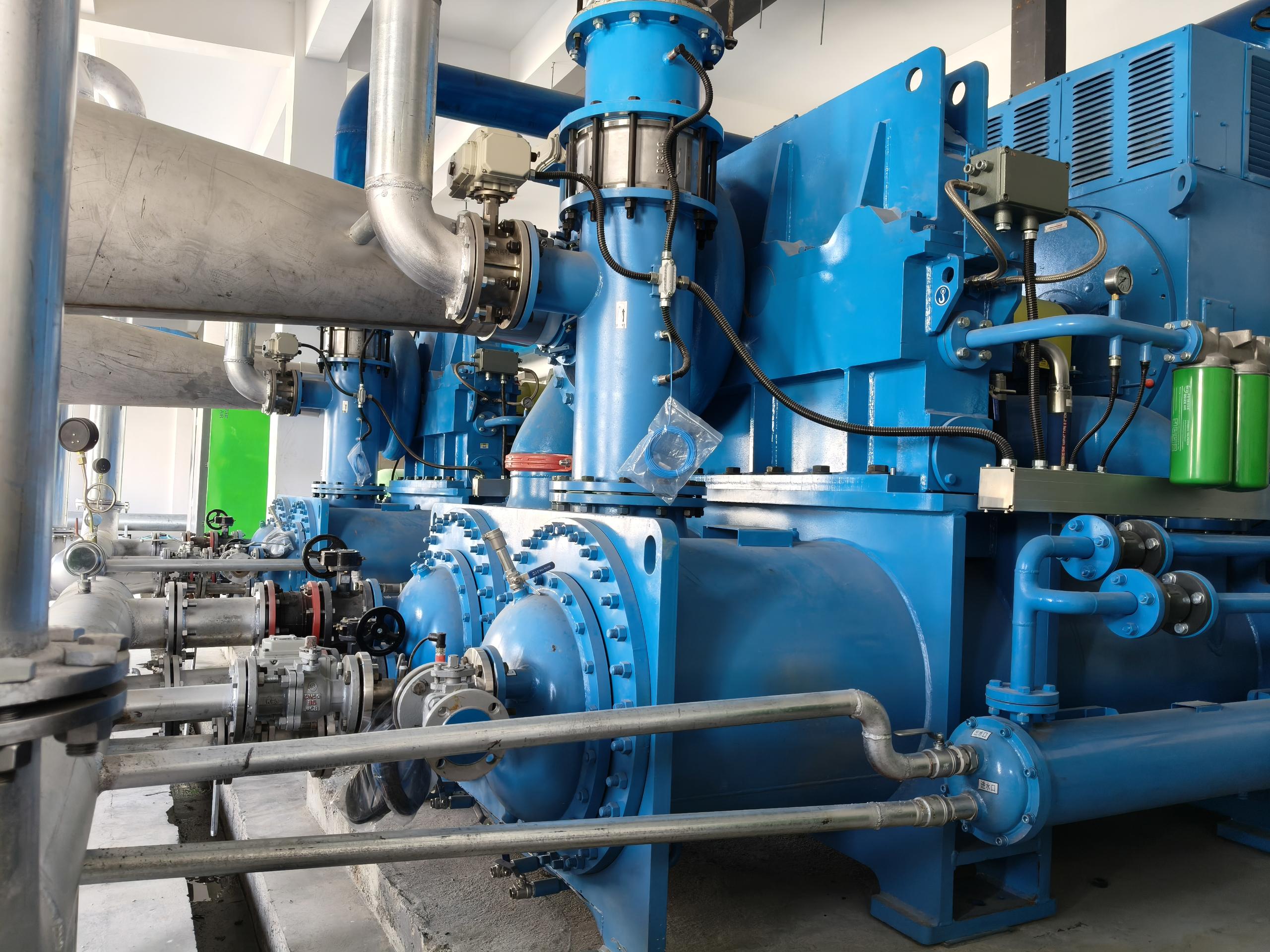
The compression stroke starts as the piston leaves bottom dead centre and heads upward. With both valves closed, the air-fuel charge is trapped in the cylinder. As the piston rises, it presses the mixture into a shrinking space above the piston crown. Cylinder pressure climbs quickly, often topping 150 psi in gasoline engines, and that pressure is what makes ignition so effective later.
Piston rings are doing a lot of work here—they keep the high-pressure gases from sneaking past the piston and down into the crankcase. Any leak means lost compression and less force available for the next stroke. Meanwhile, the squeeze also heats the mixture. That temperature rise isn't wasted; it helps the fuel vaporise more completely and mix with air, so the burn is faster and more even.
As the piston nears top dead centre, the spark plug fires and the compressed charge lights off. The flame front expands rapidly, and the pressure spike drives the piston back down to begin the power stroke. Engines with higher compression ratios can extract more work from the same amount of fuel, though the ratio must stay below the fuel's knock limit to avoid uncontrolled detonation.
Piston vs. Rotary Screw: Which One Fits the Job?
If your shop runs a tire inflator or an occasional impact wrench, a piston compressor will likely handle the workload without breaking the bank. These units build pressure in pulses, which suits short bursts of air but can feel sluggish when a sandblaster or CNC machine demands a steady stream. Rotary screw compressors, by contrast, deliver a constant flow at full pressure, making them the quiet workhorses behind most manufacturing lines and busy body shops.
Maintenance expectations differ sharply between the two. A piston unit asks for regular oil checks, belt adjustments, and cooldown periods to avoid overheating, while a well-built rotary screw can run continuously for hours with only scheduled filter and fluid changes. Noise levels also tell a story: the thumping racket of a piston pump becomes tiresome in a small garage, whereas a screw compressor hums at a level that won't drown out conversation.
When it comes time to choose, think about your actual duty cycle rather than the brand brochure. If air demand is intermittent and you're willing to trade some noise for a lower upfront cost, a piston machine fits the bill. But if production depends on uninterrupted air, or if you're tired of waiting for the tank to refill, the rotary screw earns its higher price tag through reliability and steady output.
Where Does the Heat Go? Cooling in Air Compression
When air is compressed, the compressor does work on the gas, forcing molecules closer together. This mechanical energy doesn't disappear—it converts almost entirely into thermal energy. In a typical industrial compressor, discharge temperatures can easily exceed 180°F (82°C) without intercooling, and in multi-stage units without heat removal, that number climbs much higher. The heat isn't a byproduct to ignore; it's the direct result of squeezing a fixed amount of gas into a smaller volume, raising both pressure and temperature according to the ideal gas law.
Cooling in air compression guides that heat away from the compressed air stream and into a secondary medium, usually ambient air or water. Intercoolers between stages and aftercoolers at the discharge point use finned tubes or shell-and-tube designs to transfer heat from the air to the coolant. From there, the heat dissipates into the surrounding environment—into the atmosphere through a radiator or into a cooling tower. Effective cooling not only prevents lubricant breakdown and component warping, but it also reduces the work required for the next compression stage, since cooler air is denser and easier to compress further.
Dry, Clean, and Reliable: The Air Chemical Processes Demand
Chemical reactors and pneumatic controls depend on compressed air that won't introduce moisture, oil vapor, or particulate matter. Even trace humidity can alter catalyst activity, trigger unwanted side reactions, or clog precision valves. Drying systems with dew point monitoring aren't optional add-ons; they're part of preventing batch inconsistencies and corrosion in distribution lines.
Cleanliness extends beyond filtration. Oil-free compressors or high-efficiency coalescing filters remove hydrocarbons that could contaminate final products or poison sensitive membranes. Regular audits of pressure dew point, particle counts, and oil carryover keep the air supply within spec before it reaches critical process contact points.
A compressed air system that fluctuates or fails mid-batch can force costly shutdowns or compromise safety interlocks. Redundant dryers, properly sized receivers, and staged filtration give operators the steady pressure and purity needed for continuous production. That reliability isn't about equipment specs alone—it's about designing the air network to match the chemical process's tolerance limits.
Listen for These Sounds: Early Warnings from Your Compressor
A faint metallic tick that comes and goes while the compressor runs is often the first sign of a loosening valve plate or a bearing starting to lose its preload. It’s easy to dismiss it as normal chatter, but if the rhythm matches piston strokes and grows sharper after the unit warms up, you’re likely hearing metal parts drifting out of tolerance.
A dull thud or knock under load usually points to liquid slugging or worn wrist pins. Unlike the steady hiss of normal gas flow, this sound arrives in short, uneven bursts and tends to become more pronounced when discharge pressure rises. Catching it early can mean the difference between replacing a gasket and rebuilding the entire cylinder assembly.
High-pitched squealing near the drive end almost always traces back to belt slip, a dry coupling, or a bearing cage that has lost its lubrication film. If the pitch changes with motor speed or fades after a few minutes of operation, it’s not a harmless startup groan—it’s a warning that friction is already doing damage you can’t see.
FAQ
It pulls in ambient air, squeezes it into a smaller volume, and stores the resulting high-pressure air in a tank or sends it straight into a process line. The compression step adds energy to the air, which later does work when released.
Many chemical operations need clean, controlled force for moving powders, running pneumatic valves, drying products, or blanketing tanks with inert gas. Compressed air gives a flexible power source that doesn't spark or introduce electrical hazards.
Two interlocking helical rotors turn inside a housing. Air gets trapped in the spaces between the rotors and the casing, then those spaces shrink as the rotors mesh, raising the pressure before the air exits through a discharge port.
Compressing air heats it up. Intercoolers cool air between compression stages, and aftercoolers cool it after the final stage. This reduces moisture, protects downstream equipment, and improves the efficiency of the whole system.
Yes. They often need corrosion-resistant materials, seals that prevent leaks of hazardous vapors, and sometimes oil-free compression to avoid contaminating reactions or final products. Explosion-proof motors and controls may also be required depending on the plant area.
Hot compressed air holds water vapor, and as it cools, that vapor condenses into liquid. In chemical use, moisture can cause corrosion, freeze in cold lines, or react with sensitive compounds, so dryers and filters are usually installed downstream.
Oil-lubricated versions use oil for sealing, cooling, and lubrication inside the compression chamber; small amounts can get into the air. Oil-free designs rely on special coatings, tight clearances, or water injection, producing air with no oil carryover—important for pure chemical processes.
Sometimes a central compressed air station serves the whole site, but many plants use multiple compressors or dedicated units for specific tasks. This avoids a single point of failure and allows different pressure levels or purity specs for different areas.
Conclusion
Compressing air in a chemical plant isn't magic—it's straightforward physics. When you squeeze a fixed amount of gas into a smaller space, its pressure rises. That's the whole idea behind both piston and rotary screw compressors. A piston unit pulls air into a cylinder, then a moving piston reduces the volume and pushes the compressed air out through a discharge valve. A rotary screw machine does the same job continuously, trapping air between two intermeshing rotors and shrinking those pockets as they turn. Choosing between them comes down to the job: piston compressors handle intermittent high-pressure needs well, while rotary screw models are better for steady, moderate-pressure supply in large chemical operations.
Of course, squeezing air generates heat, so cooling is part of the design. Intercoolers and aftercoolers—often water-cooled in chemical settings—pull heat away to keep temperatures safe and efficiency reasonable. The air itself must also be dry, clean, and oil-free for chemical processes, since moisture or contaminants can ruin reactions or corrode piping. That means dryers, filters, and proper maintenance matter as much as the compression chamber. Pay attention to unusual sounds too: knocking, hissing, or rattling often give early warning of worn bearings, leaks, or valve trouble before a full breakdown. A compressor is not just a pump—it's a tuned piece of equipment where physics, cooling, air quality, and listening to the machine all work together to keep a chemical process running.
Contact Us
Contact Person: Mia
Email: [email protected]
Tel/WhatsApp: +86 19821985894
Website: https://www.seize-air.com