

China Check Valve Supplier Evaluation Checklist for Industrial Buyers
2026-11-18
Before you shortlist another China check valve supplier, consider how many costly shutdowns start with an overlooked test report or an unclear material certificate. This guide lays out a practical evaluation checklist for industrial buyers—covering pressure testing, sealing design, documentation, and after-sales accountability—so you can separate capable manufacturers from spec-sheet sellers. It also shows how ZMV approaches consistency, traceability, and the details that keep check valves performing in demanding service.
Pinpointing Real Manufacturing Capability Behind the Claims
Walking through a supplier’s showroom, you rarely see the machines that actually make your parts. Glossy brochures and polished sample boards can mask a fundamental mismatch: the factory that sells you the order may not be the one that molds, stamps, or assembles it. Real manufacturing capability lives in details that marketing never photographs—how tooling is stored, whether maintenance logs are filled by hand or ignored, and what the floor supervisor does when a tolerance drifts out of spec at 2 a.m.
A more reliable way to gauge capability is to trace the physical path of a single part from raw material to pallet. Ask to watch a first-article inspection run without notice. Look at how scrap is segregated and whether rework is tracked separately or quietly mixed into good stock. If a plant claims tight process control but cannot show you SPC charts from the past three shifts, that claim starts to dissolve. The gap between what a factory says it can hold and what it actually holds on a bad Tuesday is where your delivery dates and defect rates will eventually live.
The strongest suppliers don’t hide behind capability statements; they let you stand next to the press and see the flash, hear the tool change, and count the idle machines. That kind of transparency resists being reduced to a checklist. It forces you to read the room—the tape on the floor, the condition of the fixtures, the number of unfinished orders staged near the dock. Those unscripted observations tell you more about real manufacturing muscle than any polished audit summary or spec-sheet promise.
Reading Material Traceability and Pressure Testing Evidence
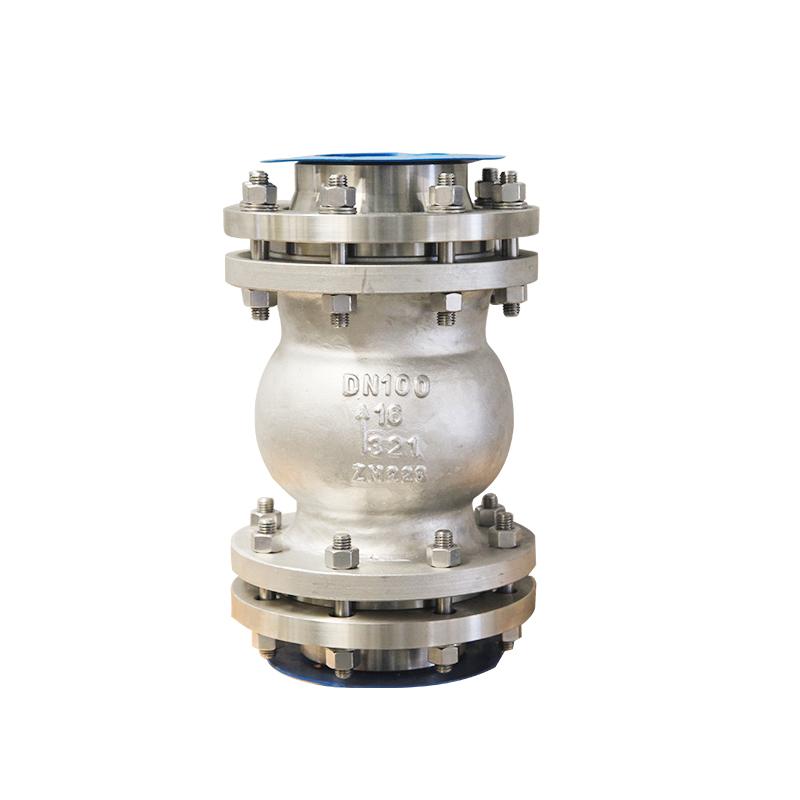
Material traceability starts long before any component reaches a test bench. Each batch carries its own identifier—heat number, cast date, supplier lot—and that identifier follows it through cutting, welding, and surface treatment. The real value appears during an audit: someone can pull a single pressure vessel, trace its shell plate back to a mill certificate, and confirm the exact chemistry and mechanical properties that were supposed to be used.
Pressure testing evidence is only useful if it can be tied to that trail. A hydrostatic test chart with a clean hold period means little when the material record shows gaps or mismatched markings. Good shops keep the test parameters, gauge calibration records, operator sign-off, and even the ambient temperature next to the material certificates, so the whole package can be reviewed without hunting through separate systems.
Discrepancies usually surface when the paper trail looks too tidy or when test results are filed without the supporting data. A small deviation in wall thickness, a substitute fitting, or an unrecorded repair can break the connection between material and evidence. That is why the strongest documentation feels less like a polished summary and more like a working record—complete with stamps, dates, revisions, and the names of people who actually performed the work.
Checking How Quality Holds Up Beyond the First Sample Batch
A first sample can be misleading. It is often made with extra attention, better lighting, or a slightly different batch of raw materials. To know what you are actually selling, pull a later production piece and put it next to the original. Look for the dull shifts: a thinner edge, a rougher finish, a zipper that catches slightly sooner than before.
Random checks work better than scheduled ones. When the factory knows when you are coming, everything gets cleaned up for an hour. Instead, pick a sealed carton from the middle of the stack after the first run has already shipped. Open it slowly and compare weights, stitching tension, and the way a lid or flap sits when closed. Those quiet mismatches often show up before customers complain.
The real test is not whether one great item can be made, but whether the two hundredth one still feels the same in your hand. Small tolerances drift for ordinary reasons: a tool wears down, a supplier switches thread, a line worker rushes after lunch. Noticing that early keeps a brand from becoming another shop that only had a good first batch.
Spotting Communication Gaps Before They Become Delivery Delays
Most delivery delays don't start with a missed deadline—they start with a message that was never quite understood. The gap often appears small at first: a requirement phrased vaguely in an email, a stakeholder who nods in a meeting but pictures a different outcome, a team member who assumes someone else is handling the handoff. These silent disconnects compound quietly until the timeline no longer matches reality.
Paying attention to the rhythm of communication helps catch these fissures early. If a client replies with shorter answers than usual, or a developer stops asking clarifying questions, that's often a signal the shared picture has started to blur. A quick five-minute check-in, framed around "what does done look like for you this week?" can surface mismatched expectations long before they turn into a slipped date.
Another place to look is the spaces between formal updates. When status meetings only repeat what's already written in a tracker, the real conversations may be happening elsewhere—or not at all. Asking one simple question at the end of a sync, like "what feels unclear right now?" gives people permission to name the ambiguity they've been carrying. That small invitation often reveals the gap while it can still be closed with a conversation instead of a delay.
Verifying After-Sales Accountability and Spare Parts Readiness
Accountability after a sale often lives or dies in the handoff between installation, support, and logistics. Instead of trusting that a closed ticket means a resolved issue, the verification step looks at whether the assigned technician recorded the actual root cause, whether the customer confirmed the fix, and whether the consumed parts match the service report. Any mismatch is routed back to the named owner within a fixed window, so responsibility does not dissolve once the truck leaves the site.
Spare parts readiness is treated as a physical test rather than a spreadsheet exercise. The team samples high-risk components and pulls them from the shelf to confirm that labels, quantities, and storage conditions line up with the system record. For parts with long lead times, there is a short weekly review of open orders and a clear rule for when to borrow from another depot or approve an equivalent substitute. This keeps readiness tied to what can actually be installed, not just what appears available on screen.
The two checks meet in a brief monthly review where service leaders and supply planners walk through cases that failed either test. Each failure receives one accountable name and a corrective date. Once a spare part is verified as physically present and the after-sales owner is confirmed for follow-up, the case is marked ready. That shared standard prevents both sides from hiding behind averages and forces problems to surface while there is still time to fix them.
Separating Hands-On Valve Makers from Middlemen and Trading Agents
Valve sourcing becomes clearer once you look past polished catalogs and ask who actually machines, assembles, and pressure-tests the units. A hands-on maker can walk a buyer through material choices, seat leakage rates, and actuation torque without flipping through a third-party datasheet. That direct access shifts the conversation from unit price to whether the valve will hold up under a specific line condition.
Middlemen and trading agents usually carry a broad mix of products, which makes deep technical support uncommon. They may appear cheaper at first, but lead times, documentation, and after-sales answers depend on whoever actually produced the order. Buying directly from a manufacturer shortens that chain and makes it easier to confirm traceability, testing, and consistency from batch to batch.
FAQ
Start with the mill certificates and traceability of raw materials. If a supplier can't show heat numbers tied to each valve body and trim component, treat that as a red flag no matter how polished their catalog looks.
Ask for a recent test report with the serial number, test date, shell pressure, seat pressure, and the name of the person who signed off. Then request a live video during production or have a third-party inspector witness the next batch.
You want a dimensional inspection sheet, pressure test certificate, material test reports, and a packing list that matches the valve tags. If they hesitate to share sample documentation for a similar order, move on.
Request a recorded plant walkthrough showing the machining area, pressure test bay, and finished goods warehouse. Combine that with references from buyers in your region who purchased the same valve type and size range.
Specify visual and NDE requirements clearly: no major shrinkage, cracks, or weld repairs unless agreed. For critical services, ask for liquid penetrant or radiographic reports on a sample basis and reserve the right to reject based on MSS SP-55.
Include a clear specification, approved drawings before production, hold points for inspection, third-party testing rights, and a quality clause tied to replacement or refund for nonconforming valves. Also agree on packaging that prevents flange face damage.
Make material substitution subject to written approval only. Any unapproved change should trigger a full re-inspection and possible rejection at the supplier's cost. If it happens twice, it's usually a sign their process control isn't reliable.
Conclusion
Plenty of China check valve suppliers can produce a glossy certificate; far fewer are willing to open their foundry, machining floor, and pressure test bay for a live inspection. That is the first line of this evaluation: separating a factory that pours and machines its own castings from one that merely photographs a rented workshop. Buyers should insist on heat numbers that match mill certificates and can be read directly on the valve body and trim, not just on a cover sheet. Pressure testing evidence needs to be order-specific, with hydrostatic and pneumatic results tied to the serial numbers being shipped. Quality also has to hold past the first sample batch. Ask what changes by month three or order number five, because a carefully prepared sample rarely reflects routine production.
Communication gaps are usually visible before they become delivery delays. If a contact dodges questions about lead times, casting scrap rates, or freight documents before the order is placed, assume those gaps will reappear after payment. After-sales accountability should be tested with direct questions: who handles a warranty claim, how fast a replacement disc or seat can leave the warehouse, and whether spare parts are stocked or only made once a failure is reported. The checklist also separates hands-on valve makers from middlemen and trading agents. A factory visit, a live video tour of the actual production line, and a raw material purchase trail usually reveal the difference much faster than a website or a product catalog can.
Contact Us
Contact Person: Lucas Lin
Email: [email protected]
Tel/WhatsApp: +8613968913000 / +8613868610141
Website: https://www.zhengmaogroup.com