

China Sand Mining Factory: Modern Techniques and Environmental Impact
2026-07-30
Sand mining in China has undergone a quiet revolution. Gone are the days of rudimentary dredging; today’s factories combine cutting-edge machinery with rigorous environmental protocols. At the heart of this shift is YaKai Dredger, a name synonymous with innovation in sand extraction. But how exactly are modern techniques reshaping the industry, and what does it mean for our rivers and ecosystems? This post dives into the delicate balance between resource demand and ecological stewardship.
The Colossal Thirst for Sand in China
China’s rapid urbanization and infrastructure boom have ignited an insatiable demand for sand, the hidden backbone of modern construction. Every year, the country consumes more sand than any other nation, using it to produce concrete for soaring skyscrapers, sprawling highways, and ambitious land reclamation projects. This relentless hunger stems from decades of breakneck development, where cities like Shanghai and Shenzhen have risen from the ground up at a staggering pace, swallowing billions of tons of sand in the process. Yet, the sheer scale of this consumption is rarely visible to the casual observer—it’s buried in foundations, bridges, and artificial islands that reshape coastlines.
The environmental toll of this sand rush is profound and often irreversible. Rivers and lakes across China are being dredged at alarming rates, stripping them of sediment that took millennia to accumulate. In some regions, illegal mining operations run around the clock, collapsing riverbanks, destroying aquatic habitats, and even altering water flows to the point where nearby communities face increased flooding risks. The famous Poyang Lake, once a thriving ecosystem, has seen its sandbars vanish, disrupting the migratory patterns of countless bird species. Meanwhile, coastal sand mining has eroded beaches and damaged marine breeding grounds, leaving a scar on natural landscapes that may never fully heal.
Efforts to curb this colossal thirst have been met with complex challenges. Authorities have introduced stricter regulations and launched crackdowns on unlicensed mining, but enforcement remains patchy, especially in remote areas where local economies depend on the lucrative sand trade. Alternatives like manufactured sand—crushed from rocks or recycled from construction waste—are slowly gaining traction, yet they struggle to match the quality and cost-effectiveness of natural river sand. The search for sustainable solutions continues, as China tries to balance its monumental construction needs with the urgent imperative to protect the environment before the very ground beneath its progress crumbles away.
Smart Factories: Where Sand Meets High Technology
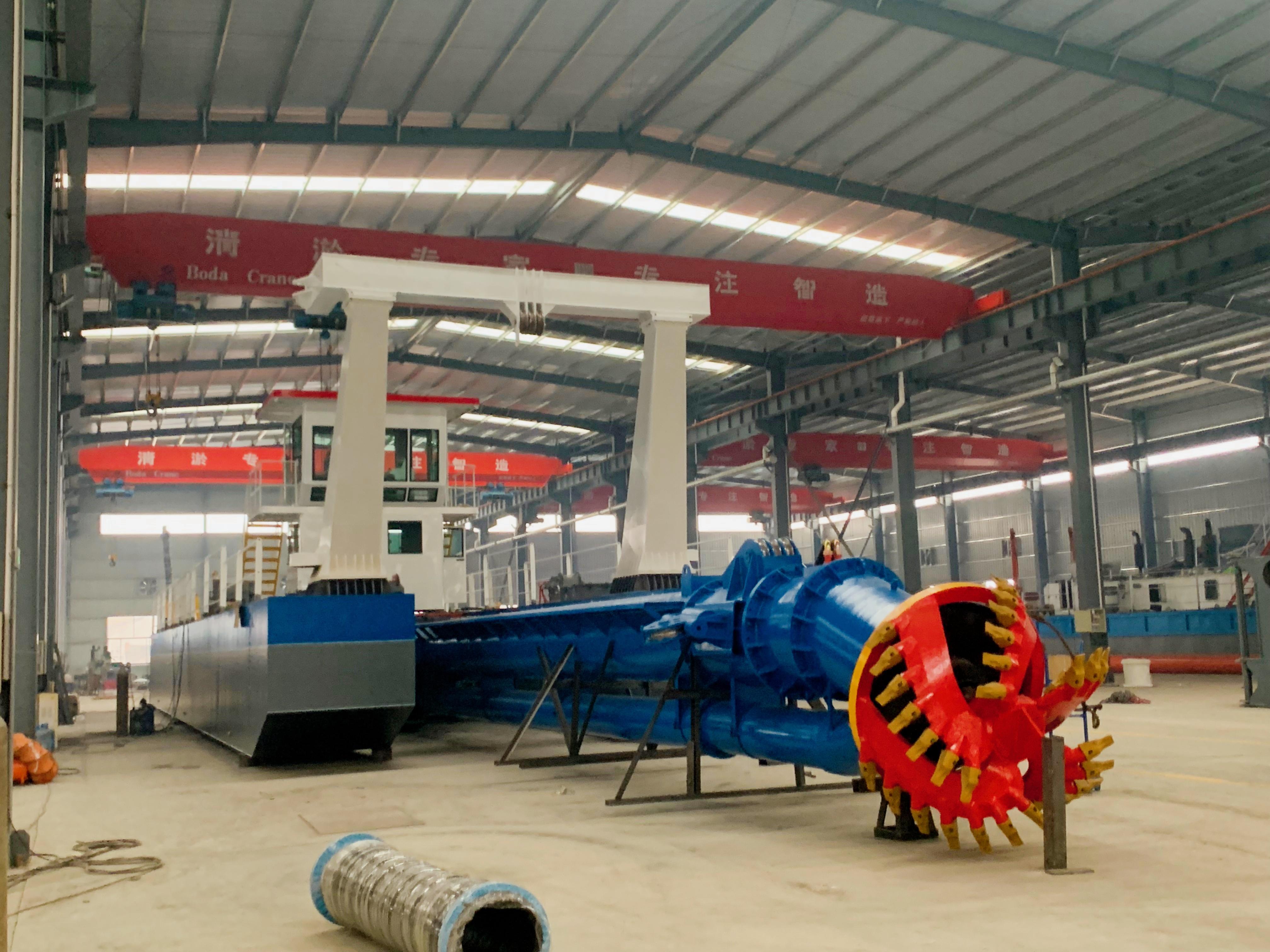
In the world of advanced manufacturing, the phrase "sand meets high technology" captures the unexpected fusion of raw, granular materials with cutting-edge digital innovation. Modern smart factories have moved beyond simple automation to become self-optimizing ecosystems where silicon grains are transformed into microchips through processes monitored by artificial intelligence. Every particle of sand is tracked from raw material to finished semiconductor, with sensors and machine vision systems ensuring that the ancient, earthy substance becomes the foundation for tomorrow's quantum computing and neural networks. This marriage of the elemental and the exponential redefines what it means to build, turning the most mundane resource into the bedrock of intelligence.
Deep within these facilities, the journey from sand to system unfolds with a precision that blurs the line between the natural and the engineered. Robotics and IoT devices orchestrate the metamorphosis, where high-purity quartz is melted, pulled into single-crystal ingots, and sliced into wafers thinner than a human hair. In cleanrooms a thousand times purer than a hospital operating room, ultraviolet light etches billions of transistors onto these surfaces, guided by algorithms that detect and correct atomic-scale defects. It is a ballet of photons and dirt, where the warmth of the Earth’s crust is reshaped into the cold logic of processors, memory, and sensors—a reminder that even the most synthetic creations still carry the DNA of the planet.
The true magic, however, lies not just in the technology but in how it honors the materiality of its origins. Smart factories embed circularity into their core, recycling silicon scrap and reducing waste through digital twins that simulate every stage of production. The grit of sand, once symbolic of simplicity, now drives a new industrial renaissance where craftsmanship meets code. As you walk through these humming corridors, you sense a quiet poetry: the same substance that finds its way into concrete and glass is being coaxed into consciousness, bridging the gap between the tactile world beneath our feet and the infinite possibilities of the digital realm.
Riverbeds in Retreat: The Ecological Wake of Mining
Mining reshapes riverbeds in ways that often go unnoticed until the damage is irreversible. Heavy machinery and explosive extractions uproot millions of tons of sediment, altering the natural flow and depth of waterways. Gravel and sand are stripped away to expose minerals, leaving behind unstable banks and lowered channels that can no longer sustain the complex habitats once thriving there. What was once a dynamic, living river becomes a scarred trench, prone to flash flooding and incapable of filtering water as it once did.
The ecological fallout cascades through the entire aquatic system. As riverbeds sink and currents accelerate, spawning grounds for fish are smothered or washed away, and the intricate microhabitats that support insect larvae, amphibians, and riparian plants vanish. The loss of natural sediment layers disrupts nutrient cycles, while increased turbidity chokes out light-dependent organisms. Over time, entire food webs collapse, leaving behind a ghost of a waterway—clear perhaps, but eerily lifeless. Riparian forests suffer too, as their roots, once anchored in stable ground, face erosion and exposure.
Recovery is an uphill battle. Even after mining stops, the legacy of altered riverbeds lingers for decades. Restoration efforts must contend with severe incision, which disconnects the river from its floodplain and groundwater, making it a drain rather than a source of life. While some projects attempt to reconstruct natural contours or reintroduce sediment, they rarely match the complexity of what was lost. The true cost becomes clear: a riverbed in retreat is not just a geomorphological shift—it’s a slow unraveling of a world that once hummed with vitality.
Enforcement Tangles: Navigating China’s Mining Laws
China’s mining sector operates under a dense web of national laws, local regulations, and evolving policy directives, yet the gap between legal text and on-the-ground enforcement remains a persistent headache for operators. Central mandates often clash with provincial autonomy, where local governments may prioritize economic growth over strict compliance, leading to inconsistent inspections or tacit approval of unlicensed operations. Even when violations are flagged, the fragmented authority among agencies like the Ministry of Natural Resources, environmental watchdogs, and safety bureaus can trigger bureaucratic standoffs rather than swift corrective action.
For mining companies, this unpredictability turns compliance into a guessing game—permitting processes that should be routine become drawn-out affairs, and sudden crackdowns can disrupt production without warning. The recent push for greener mining adds another layer of complication, as environmental enforcement often lurches between laxity and abrupt crackdowns, leaving firms scrambling to adjust. Many find themselves caught between outdated statutes and unspoken local expectations, where personal relationships with officials can matter as much as formal approvals.
Navigating these tangles demands more than a legal checklist; it requires constant engagement with shifting power dynamics and informal norms. Savvy operators invest in building dialogue with multiple layers of government while keeping a close ear to the ground for policy shifts that might never appear in formal gazettes. In this landscape, resilience comes from accepting that legal compliance is not a fixed target but a moving puzzle shaped by regional politics, economic pressures, and the uncertain hand of enforcement.
Beyond Natural Sand: The Promise of Man-Made Alternatives
For decades, the construction industry has leaned heavily on river sand, a resource whose extraction scars ecosystems and drives up costs. The search for a reliable substitute has moved beyond wishful thinking, leading to engineered sands that mimic nature's own particle shapes and durability. These alternatives are not mere crushed rock; they are carefully processed to ensure every grain meets the exacting standards once reserved for natural deposits.
The true potential of manufactured sand lies in its ability to be tailored. By adjusting crushing techniques and grading curves, producers can create a material that outperforms natural sand in specific applications—from high-strength concrete to bedding for intricate paving patterns. This consistency eliminates the guesswork that often comes with variable riverbed sources, giving builders a dependable ingredient that can shrink cement requirements and improve workability.
Perhaps most compelling is the shift in perspective that man-made sand enables. Instead of viewing sand as a mined commodity with a finite future, we can see it as a manufactured product, controllable from source to site. This transition not only eases pressure on sensitive rivers but also opens the door to local production, cutting transport emissions and fostering a more resilient supply chain. The promise isn't just about replacing one material with another—it's about rethinking how we build from the ground up.
A Path to Responsible Resource Extraction
Shifting toward responsible resource extraction isn't just about adhering to regulations—it demands a fundamental rethink of how we value what lies beneath our feet. It means acknowledging that every mineral, every drop of oil, every lumbered tree comes from a landscape that sustains communities, ecosystems, and future generations. Instead of seeing extraction as a one-time transaction, we can treat it as a long-term relationship with the land. This approach calls for transparent partnerships with local populations, where their voices shape projects from exploration to closure, and where benefits like infrastructure, jobs, and environmental stewardship outlast the mine or well. It's about designing operations that mimic natural cycles—using renewable energy to power machinery, recycling water in closed loops, and restoring habitats not as an afterthought but as a core phase of the extraction lifecycle.
Technology plays a quiet but transformative role. Advanced sensing and data analytics can pinpoint resources with surgical precision, minimizing the footprint of exploration and reducing waste. Real-time monitoring of air, water, and soil quality ensures that any breach is caught early, while automated systems can shut down operations instantly to prevent accidents. Yet, tech alone won't suffice. Companies need to embed ethical decision-making into their daily routines, asking not just "Can we extract this?" but "Should we, and for whom?" That means scrutinizing supply chains to ensure they don't fuel conflict or human rights abuses, and being honest about the full lifecycle costs—including the carbon emitted, the water consumed, and the social disruptions caused.
True responsibility also requires embracing circularity. Rather than discarding tailings or slag as waste, we can view them as potential raw materials for other industries, turning extraction sites into hubs of resource recovery. Re-mining old waste, extracting rare earths from discarded electronics, and using mine voids for pumped hydro storage—all of these blur the line between extraction and regeneration. Ultimately, a path to responsible resource extraction is paved with humility. It recognizes that the Earth's bounty is finite, that our knowledge is incomplete, and that the best outcomes arise when we listen to geologists, ecologists, Indigenous elders, economists, and engineers in equal measure. It's not a fixed destination but a continuous journey of learning, adapting, and improving.
FAQ
Modern sand mining in China increasingly relies on advanced dredging equipment with real-time monitoring systems to minimize over-extraction, closed-loop water recycling to reduce freshwater usage, and automated sorting technologies that enhance material recovery while cutting waste.
While traditional open-pit mining often caused severe landscape degradation and riverbank collapse, modern techniques aim for lower impact through precision extraction and rapid site rehabilitation, though challenges like turbidity and habitat disruption persist.
China has rolled out stricter licensing systems, satellite surveillance for unauthorized operations, and heavy penalties for violations. Some regions also enforce mandatory environmental restoration bonds to ensure compliance.
Yes, when factories adopt sediment replenishment strategies and leave buffer zones near sensitive habitats. However, long-term harmony requires continuous monitoring of water quality and aquatic life, which many operations still struggle to maintain.
It serves as a backbone for concrete production, fueling infrastructure booms. Yet the voracious demand has led to resource depletion in some provinces, prompting a shift toward manufactured sand from crushed rock as a partial substitute.
Desert grains are too smooth and rounded from wind erosion, preventing them from binding properly in concrete. The angular shape of river and marine sand provides the necessary friction for structural integrity.
Communities near mining sites often face noise, dust, and fluctuating water levels that impact agriculture and fishing. Some factories now offer compensation programs and local employment, but tension remains where environmental safeguards are weak.
Research into synthetic sand alternatives, sludge-to-sand conversion from construction waste, and AI-driven extraction planning are gaining traction. A few pilot projects also explore the use of mining byproducts in land reclamation, turning waste into resource.
Conclusion
China's relentless construction boom has fueled an almost insatiable demand for sand, the hidden backbone of its urban expansion. The country now consumes more sand than any other nation, with colossal quantities needed for concrete, glass, and land reclamation projects. Traditional riverbed mining has long been the primary source, but its unchecked escalation is triggering severe environmental backlash. Entire river systems are being gouged beyond recovery, collapsing bridges, eroding riverbanks, and salinizing agricultural deltas. In response, China's sand mining factories are undergoing a tech-driven transformation. Dredgers equipped with real-time GPS tracking, automated sorting, and water recycling systems now operate in heavily monitored zones, aiming to boost efficiency while curbing illegal extraction. These smart factories represent a shift toward data-centric resource management, where digital oversight promises to balance industrial appetite with ecological limits.
Yet technology alone cannot outpace the complexity of enforcement. Regulatory tangles persist as provincial and central authorities struggle with overlapping jurisdictions and patchy oversight, allowing illicit mining to thrive under the radar. The ecological wake is stark: lowered water tables, vanished wetlands, and imperiled aquatic life. Facing these pressures, the industry is increasingly turning to manufactured sand—produced by crushing rocks or recycling construction debris—as a scalable alternative. While still energy-intensive, this engineered substitute reduces reliance on natural riverbeds and holds the key to a more sustainable trajectory. Weaving together advanced factory processes, tighter legal frameworks, and a gradual pivot to man-made materials, China is charting a complex but necessary path toward responsible sand extraction. The journey demands not only technical innovation but also a profound rethinking of how a nation values its most mundane, yet indispensable, resource.
Contact Us
Contact Person: Nancy
Email: [email protected]
Tel/WhatsApp: (+86) 13869631558
Website: https://www.yakaidredger.com/