
Choose the Perfect Thunderbolts Costume: The Ultimate Guide for Comic Fans
2026-07-18
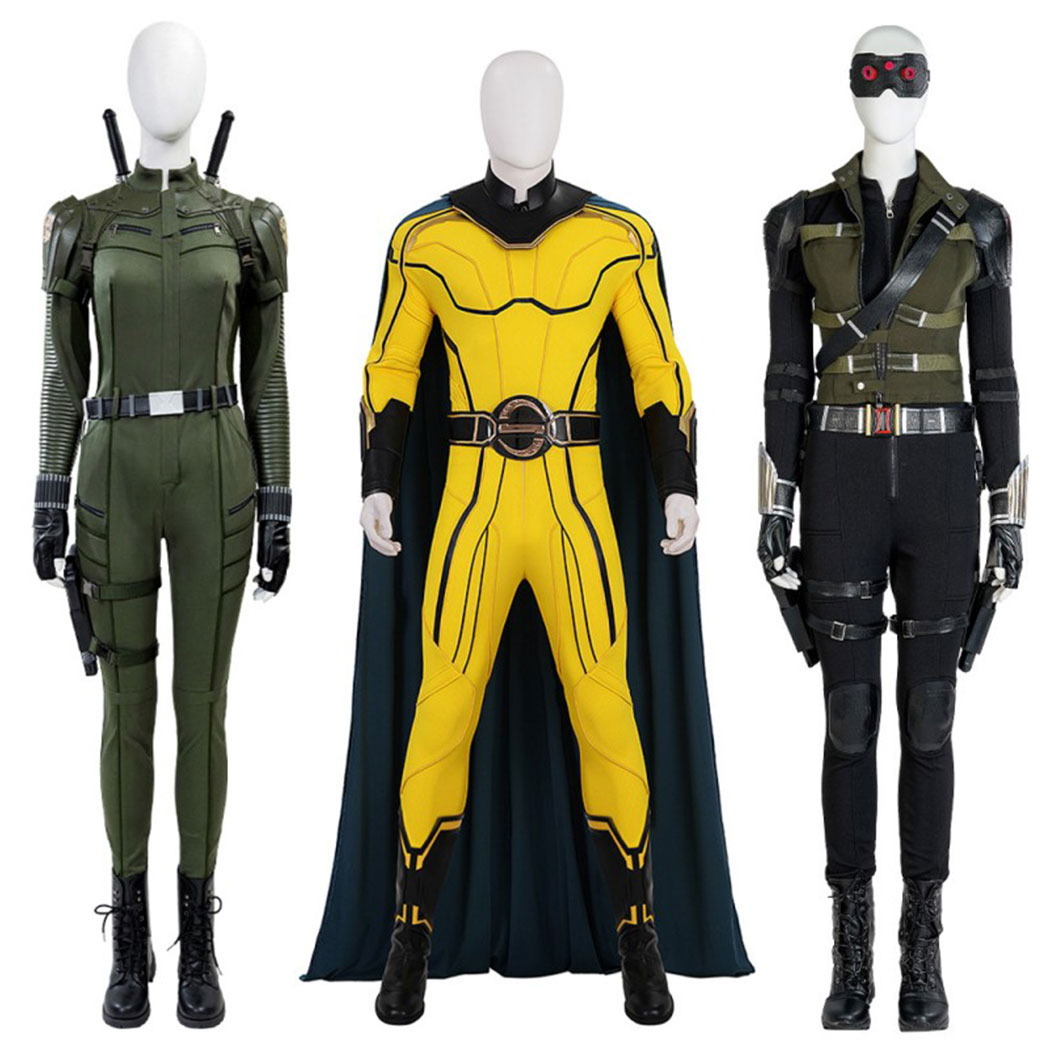
Dressing up as your favorite Thunderbolts character isn’t just about throwing on a suit—it’s about capturing the rebellious spirit that makes this team of antiheroes unforgettable. Whether you’re gearing up for a convention or a themed party, nailing the look of characters like Baron Zemo or Songbird requires attention to detail and quality pieces. At CCosplay, we understand the passion behind every stitch and accessory. This guide will walk you through iconic Thunderbolts costumes and share insider tips to help you stand out from the crowd.
Decoding the Thunderbolts’ Most Iconic Looks
The Thunderbolts have never been a uniform bunch, and their visual chaos is exactly what makes them stand out. From Baron Zemo’s sharp, militaristic lines to Ghost’s liquid-like, phase-shifting suit, every member carries a design language that speaks louder than their words. The team’s wardrobe isn’t about matching uniforms—it’s a collision of personal histories, abilities, and moral alignments stitched into fabric and armor. Some outfits scream redemption, others whisper rebellion, and a few are just practical enough to survive the next mission. The result is a look that feels less like a team uniform and more like a walking, punching therapy session for former villains.
Take Songbird, for example—her evolution from Screaming Mimi’s garish costume to the sleek, sonic-winged hero outfit mirrors her character arc almost too perfectly. The transition from neon pink and exaggerated collars to a streamlined silver-and-white bodysuit with glowing sound constructs wasn’t just an aesthetic upgrade; it marked her rejection of her clownish criminal past. Yet, even in her heroic phase, the subtle harness details and the way her wings manifest only when needed keep her tied to her darker origins. It’s a costume that acknowledges where she came from without letting the old scars define her completely. That push-pull between past and present is woven into every seam of the Thunderbolts’ best designs.
Then there’s the outlier—the Winter Soldier. His inclusion in the team brought a whole different texture to the group’s visual story. The metal arm, the tactical gear stripped of any national allegiance, the perpetually shadowed face—it’s the antithesis of flashy superhero pageantry. He doesn’t need a symbol on his chest because his entire silhouette is a warning. When he stands next to characters like Atlas or Mach-X, the contrast is jarring in the best way. It’s a reminder that the Thunderbolts aren’t just a band of misfits—they’re a gallery of second chances, each expressed through the armor and masks they choose to present to the world. And sometimes the most iconic look is the one that doesn’t try to be iconic at all.
The Insider’s Guide to Costume Materials and Craftsmanship
Most people assume that the magic of a costume lies in its design, but anyone who’s spent time in a workshop knows that material choice is what brings a character to life. The weight of a wool crepe, the subtle sheen of a silk charmeuse, or the way a cotton lawn takes dye can completely alter not just the look, but how a performer moves and feels on stage. Fabric isn’t just a surface; it’s a narrative partner, and selecting it requires more than flipping through swatch books—it demands an understanding of how light, movement, and distance will interact with the textile under the glow of stage lights or the unblinking eye of a camera.
Beyond the fabrics themselves, the real insider knowledge lives in the stitches, seams, and hidden structures that most audiences never see. Flatlining a bodice with organza to give it body without bulk, or hand-stitching a hem so it vanishes into the silhouette—these are the techniques that separate a dress that just hangs there from one that commands attention. In professional costume shops, the craftsmanship is as much about engineering as it is about aesthetics: boning channels are curved to follow the body, not just the pattern; closures are placed not just for practicality, but to preserve the clean line of a back or a sleeve. It’s this kind of quiet precision that makes a garment read as authentic, whether it’s a period corset or a futuristic jumpsuit.
But perhaps the most guarded secret among seasoned costumers isn’t about materials or technique at all—it’s about how to age and distress garments so that they tell a story before the actor even speaks. A brand-new leather jerkin can look like a cheap prop until it’s been rubbed with a mix of oil and pigment, then baked in the sun to take on the patina of a soldier’s hard-won experience. Distressing isn’t random; it follows logic—fraying at stress points, fading where light would hit, stains in places that make sense for the character’s habits. When done well, this kind of weathering doesn’t just add visual interest; it embeds history into the seams, making the costume feel like an artifact rather than a piece of stage dressing.
Channeling Character Attitude Through Your Suit
Stepping into a well-tailored suit isn't just about looking sharp—it's about assuming a role. The moment you fasten that jacket, your posture subtly shifts, your gestures become more deliberate, and your presence takes on a new gravity. It's almost theatrical: the suit becomes your costume, aligning your outward appearance with the inner attitude you wish to project. Whether you’re aiming for unflappable authority, creative flair, or approachable confidence, the cut, fabric, and details of your suit act as a non-verbal script, telling the world exactly who you intend to be in that moment.
This phenomenon goes beyond mere aesthetics. Psychologists have long observed that clothing affects cognition, a concept known as enclothed cognition. A suit, with its structured shoulders and clean lines, can actually sharpen your focus and elevate your sense of professionalism. When you wear a garment associated with power and precision, your mind begins to adopt those very qualities. That’s why a properly fitted suit doesn’t just alter how others perceive you—it fundamentally changes how you perceive yourself. The fabric becomes a second skin that channels your chosen attitude, making it feel authentic rather than performative.
To truly harness this power, think of your suit as a tool for character modulation. A relaxed linen suit sends a signal of effortless creativity, while a double-breasted pinstripe exudes corporate dominance. Even small touches—a boldly patterned pocket square or an unbuttoned shirt cuff—can shift the narrative from “strictly business” to “creative rebel.” Pay attention to how each element makes you feel. If you want to project warmth, choose softer textures and earth tones. If you need to command a room, opt for sharp tailoring and dark, solid colors. Your suit doesn’t just reflect your attitude; it actively shapes it, allowing you to step into any situation with the exact demeanor required.
Assembly Hacks: Mixing and Matching for a Seamless Ensemble
Achieving a seamless ensemble isn’t about rigid rules but playful experimentation. Start by choosing one anchor piece—like a bold jacket or patterned skirt—and let it guide the rest. Pair it with neutral staples to ground the look, then add a contrasting texture (think leather with lace or denim with silk) for depth. The trick is to balance statement items with quiet companions, ensuring nothing fights for attention.
Color harmony is your secret weapon. Stick to a palette of two to three shades, and don’t be afraid to mix prints if they share a common hue. For instance, stripes and florals can coexist beautifully when tied together by a unifying color like navy or blush. Accessories act as the glue—a simple belt or scarf can bridge disparate elements, creating a cohesive flow that feels intentional but never overthought.
Layering adds instant sophistication. Tuck and roll your sleeves, play with lengths, and let hemlines graze each other without exactly matching. A cropped sweater over a longer shirt, or a midi dress peeking from under a cropped jacket, creates visual intrigue. Remember, the final touch is confidence; wear the outfit like it was meant to be, and the seamless assembly will speak for itself.
Unconventional Prop and Accessory Pairings That Steal the Spotlight
There’s a quiet magic in handing a bride a vintage rotary phone while the groom wields a gilded slingshot—props that refuse to explain themselves. Instead of predictable bouquets and boutonnieres, try mismatched teacups filled with wild ferns or a single flamingo lawn ornament carried with deadpan seriousness. These objects don’t just sit in the frame; they seem to whisper a private joke, pulling the couple into a story that no one else can fully decode. The key is avoiding anything that feels too curated or expected, leaning instead into the kind of randomness that invites the viewer to lean in and wonder what happens next.
Accessories often play it safe, but when a groom rolls up in a pair of neon yellow rollerblades or the bride slips on a lucha libre mask mid-ceremony, the entire scene tilts into something unforgettable. It’s not about being absurd for its own sake—it’s about tapping into a shared memory or a secret obsession. A couple who met at a laundromat might hold a giant clothes pin between them; two book lovers could frame their faces with oversized spectacles made from wire and old maps. These pairings work best when they’re slightly offbeat yet deeply personal, transforming ordinary items into symbols that no one else would think to use. The strangeness becomes the glue that makes the image stick.
Even the most mundane objects can steal focus when combined with something utterly mismatched. Imagine a bride clutching a single candelabra, her veil draped over it like a ghost of old Hollywood, while the groom cradles a transparent umbrella filled with fairy lights. The contrast between the elegant and the odd creates a tension that draws the eye and refuses to let go. Don’t be afraid to raid a thrift store or a grandparent’s attic—sometimes a dusty accordion or a ceramic cat peeking from a pocket does more for a photograph than any perfectly arranged floral arch. It’s this unexpected marriage of props that doesn’t just spotlight a couple but crowns them as the center of a world that feels uniquely, wonderfully theirs.
Steering Clear of the Overdone: Unique Takes on Familiar Designs
Designers often find themselves circling back to the same visual solutions simply because they work—they're safe, recognizable, and easy to execute. But safety rarely stirs emotion or builds memorable brands. The real challenge lies in stepping off the well-trodden path and asking: what if this familiar layout, color palette, or type pairing had a secret life? Instead of reaching for the default hero image or the grid that everyone else is using, try deconstructing the core message and rebuilding it through an unexpected lens. For instance, a minimal product showcase doesn't always have to be sterile and white; it can carry a warm, textured backdrop that feels editorial and human. The goal isn’t to abandon all convention, but to twist it just enough to spark curiosity.
When a design pattern becomes ubiquitous, it loses its ability to surprise. Take the classic split-screen layout—half image, half text. By subtly shifting the weight or breaking the symmetry with an overlapping element, you can preserve its clarity while adding a layer of depth that feels entirely new. Another effective approach is to blend digital and analog aesthetics: hand-drawn accents on a crisp UI, or gritty photocopy textures beneath clean sans-serif typography. These juxtapositions invite closer inspection and give the viewer a reason to pause. It’s not about reinventing the wheel every time, but about knowing which spoke to bend so the ride feels completely different.
Originality often emerges when you look beyond your immediate discipline. A furniture designer might find rhythm in a jazz composition, while a graphic designer could draw freshness from the imperfect geometry of brutalist architecture. Keeping a swipe file of offbeat inspiration—vintage matchboxes, subway maps, botanical sketches—can become a wellspring for breaking habits. The next time you sense a project drifting toward the overdone, pause and feed it something foreign. Let the collision of ideas produce a design that feels both rooted and refreshingly off-script. That tension between the expected and the unusual is where truly distinctive work lives.
FAQ
An authentic Thunderbolts costume should capture the essence of the character's comic book appearance. For characters like Baron Zemo, it's the distinctive purple mask and regal attire; for Songbird, her feathered wings and sleek bodysuit are iconic. Pay attention to specific color schemes, emblems, and unique accessories. The quality of materials also matters—opt for durable fabrics that mimic the texture of the original designs, and don't overlook small details like buckles, gloves, and belts, as these can elevate a simple outfit into a convincing representation.
Your choice depends on which era resonates with you most. The classic Thunderbolts, originally led by Zemo, features villains masquerading as heroes, so costumes have a slightly menacing yet heroic hybrid feel, like Mach-X's heavy armor or Moonstone's luminous suit. Newer teams, such as the Thunderbolts Red or the more recent anti-hero squads, often incorporate modern and tactical designs. If you prefer a nostalgic vibe, go classic. For a sleeker, combat-ready aesthetic, choose a modern version. Consider which stories you love best and which characters you connect with.
Absolutely. Gender-bent or reinterpreted costumes are a fantastic way to express creativity while paying homage. The key is to preserve core identifying features—like Songbird's pink and white color palette and sound-based motifs—while adapting the silhouette. For example, a male version of Moonstone might keep the crescent emblem and metallic sheen but use a tailored jumpsuit. As long as you incorporate signature colors, symbols, and accessories, your costume will still read as the character. This approach often makes your outfit stand out at cons and gatherings.
One frequent pitfall is ignoring character proportions and overall cohesion. For instance, if you're cosplaying Atlas, who is meant to be towering, using platform boots or prosthetics can help but don't overdo it to the point of discomfort. Another mistake is cheap-looking masks or helmets—investing in well-sculpted headgear for characters like Baron Zemo or Ghost makes a massive difference. Also, avoid generic shoes or accessories; even small details like wristbands or belts should match the era you're representing. Lastly, prioritize comfort if you'll wear the costume for long periods, ensuring you can move and breathe easily.
Start by breaking down the costume into components. Look for base clothing at thrift stores—a purple trench coat for Zemo or a black bodysuit for Black Widow II. Use craft foam and heat guns to create armor pieces, then paint them with metallic finishes. Emblems can be printed on transfer paper and ironed onto fabric. For props like weapons or wings, consider lightweight materials like EVA foam. Online communities and tutorial videos are goldmines for DIY techniques. Prioritize the most iconic aspects, and remember that handcrafted details often look more impressive than store-bought replicas.
Songbird remains a top choice due to her striking visual appeal—feathered wings and a vibrant sonic scream effect are instantly recognizable. Baron Zemo is also widely cosplayed because of his classic villain status and memorable mask, especially after his appearance in Marvel media. Ghost gained popularity thanks to the Ant-Man and the Wasp films, with the hooded tactical suit being both edgy and accessible. More recently, newer members like Taskmaster and U.S. Agent have seen a surge in interest. These characters offer a mix of distinct silhouettes and emotional story arcs that fans love to embody.
Study the character's posture and mannerisms from comic panels or screen appearances. Baron Zemo, for example, carries himself with aristocratic arrogance—chest out, chin raised. Songbird often has a poised, heroic stance with wings spread. Practice a few signature poses in front of a mirror so they feel natural. Voice and catchphrases can add immense authenticity; memorize a few lines to deliver when asked for photos. But most importantly, have fun and interact with the audience in character. The best cosplays aren't just about looks; they're about bringing the Thunderbolts' spirit to life.
Conclusion
Finding the right Thunderbolts costume isn’t just about mimicking a panel—it’s about understanding what makes each look tick. From Citizen V’s military precision to Songbird’s sonic elegance, the team’s iconic designs carry weight. Start by studying the purpose behind the fabric: the tactical ruggedness of a field-ready suit or the sleek menace of a reformed villain’s silhouette. Dig into the real-world materials that bring these to life, like reinforced nylon for armor resilience or metallic spandex for that subtle sheen without sacrificing mobility. But don’t stop at appearance; embody the character’s spirit. Whether it’s the haunted stoicism of the Winter Soldier or the unapologetic swagger of Ghost, your posture and mannerisms complete the illusion more than any prop ever could.
Crafting a seamless ensemble often means stepping off the beaten path. Instead of a store-bought set, piece together elements that hint at the character’s background—pair a tactical vest with weathered gloves for a battle-hardened edge, or repurpose vintage military surplus for a field-operative feel. Accessories are your secret weapon: a subtly glowing containment canister or a distressed dossier can spark recognition and conversation far better than the obvious gadget. Beware the trap of overdone interpretations; twist familiar color schemes by adding texture—think matte finishes on armor plates or asymmetrical stitching that suggests a hasty field repair. By weaving in these personal touches, your costume becomes a narrative, not just a uniform, turning heads with a story that feels fresh and undeniably Thunderbolts.
Contact Us
Contact Person: Sunny
Email: [email protected]
Tel/WhatsApp: +86-180-1086-8579
Website: https://www.ccosplay.com