

Expert Tips from a Leading China Microcrystalline Wax Manufacturer
2026-04-18
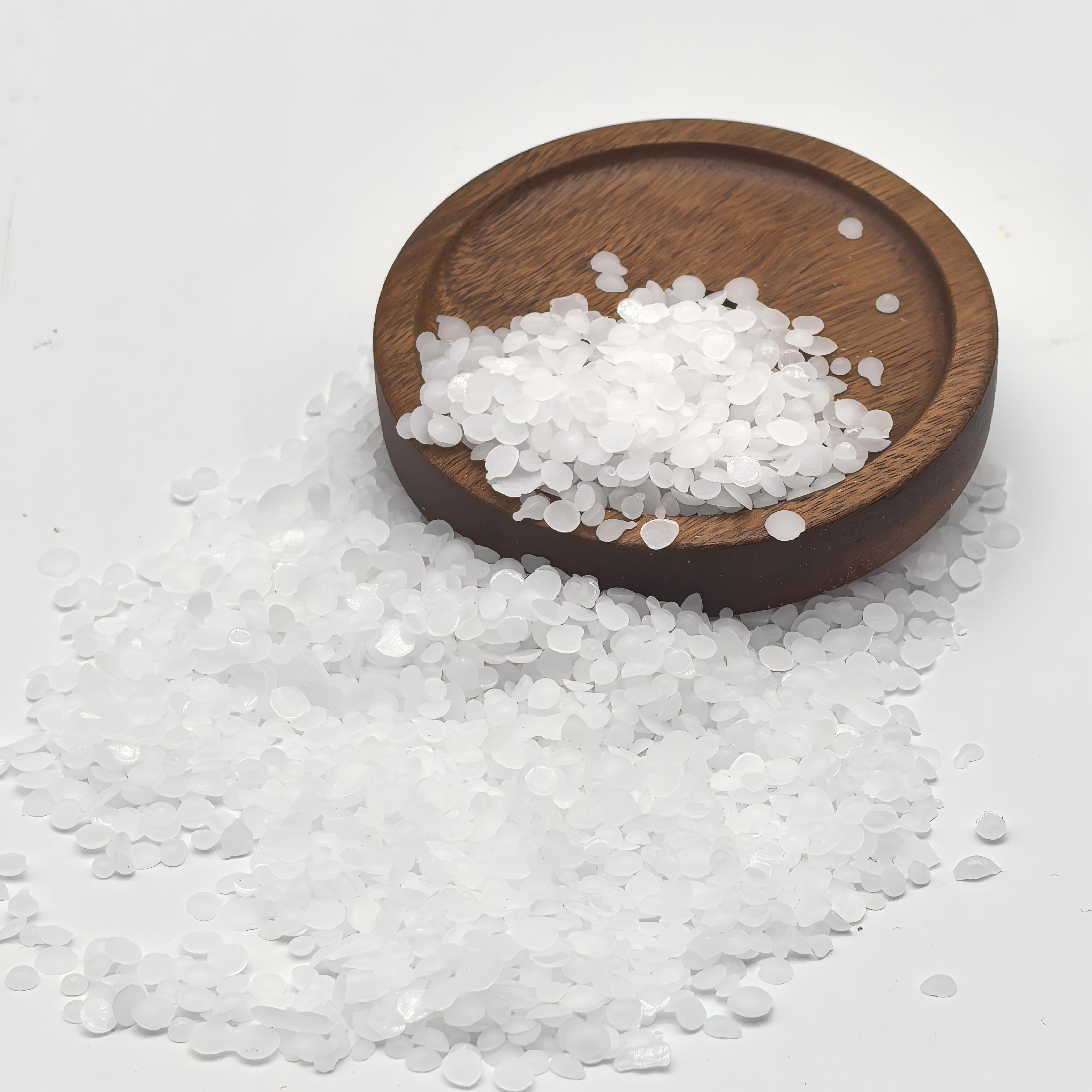
In the ever-evolving world of industrial materials, microcrystalline wax stands out for its versatility and durability. As a key component in various applications, from cosmetics to packaging, understanding its nuances can be a game-changer. Drawing from expert insights provided by a leading China microcrystalline wax manufacturer, this blog delves into the latest trends, practical tips, and innovative uses that can optimize your processes. We're excited to share these valuable strategies, especially from XUSHI, a name synonymous with quality and reliability in the field. Whether you're a seasoned professional or just exploring, get ready to uncover secrets that could transform your approach to material selection and application. Let's dive in and see how these expert perspectives can elevate your projects.
Essential Quality Standards for Microcrystalline Wax Production
Maintaining rigorous quality standards in microcrystalline wax production hinges on precise control over raw materials and processing conditions. Starting with high-grade petroleum feedstocks ensures the wax's purity and consistency, while advanced refining techniques like selective deoiling and filtration remove impurities that could compromise performance. These steps are crucial for meeting industry demands, as even minor deviations can affect the wax's melting point, viscosity, and compatibility with other products.
Beyond initial refining, thorough testing throughout the production cycle is vital for ensuring reliability. Common assays include measuring penetration hardness to gauge flexibility, congealing point for thermal stability, and oil content for consistency in applications like adhesives or cosmetics. Adhering to standards such as ASTM D938 or ISO 2207 helps producers verify these properties, providing customers with a predictable wax that performs consistently under various conditions, whether in packaging or pharmaceuticals.
Innovation in quality control often sets industry leaders apart, with some producers employing real-time monitoring systems to track parameters like crystallization rates during cooling. This proactive approach minimizes batch-to-batch variations and supports customization for niche uses, such as in art conservation or electronics, where specific traits like low toxicity or high gloss are paramount.
Innovative Applications in Industrial and Consumer Products
From assembly lines buzzing with autonomous robots to smart refrigerators that track expiry dates, today's products are blending cutting-edge technology with everyday utility in surprising ways. In consumer electronics, we're seeing gadgets that not only perform tasks but anticipate needs—think wearables that adjust settings based on your activity or home assistants that learn your preferences over time. Meanwhile, industrial applications are pushing boundaries with IoT sensors that predict equipment failures before they happen, reducing downtime and saving costs. It's a dynamic landscape where innovation isn't just about new features; it's about creating seamless, intuitive experiences that make life easier and work more efficient.
Take a closer look at sectors like healthcare, where consumer-grade devices now monitor vital signs with clinical accuracy, bridging the gap between home and hospital. Industrial advancements aren't far behind, with 3D printing enabling rapid prototyping of custom parts, and augmented reality tools guiding technicians through complex repairs. What sets these applications apart is their focus on real-world problems—whether it's a factory optimizing energy use or a smartwatch nudging users toward healthier habits. The result? Products that feel less like gadgets and more like partners, tailored to individual and organizational needs.
Beyond the tech specs, it's the human-centric design that truly distinguishes modern innovations. For instance, consumer products often incorporate sustainable materials, reflecting a growing demand for eco-friendly options, while industrial solutions might integrate blockchain for transparent supply chains. This shift toward holistic value—combining efficiency, sustainability, and user engagement—ensures that these applications don’t just follow trends but set new standards. As these fields continue to evolve, we can expect even more cross-pollination, where industrial breakthroughs inspire consumer goods and vice versa, fostering a cycle of creativity that benefits everyone.
Sustainability Practices in Wax Manufacturing and Recycling
Wax manufacturing is evolving to prioritize sustainability. Many companies are shifting from petroleum-based paraffin to renewable sources like soy or beeswax, which biodegrade faster and reduce carbon footprints. Some producers even use waste materials like recycled cooking oil to create eco-friendly waxes, cutting down on landfill waste. Additionally, water-based waxes are gaining traction, as they emit fewer volatile organic compounds during production, helping to improve air quality and worker safety in manufacturing plants.
Recycling plays a key role in minimizing the environmental impact of wax products. Innovative programs collect used candles and packaging, melting them down to create new items, which reduces the need for raw materials and energy. In industries like cosmetics, waxes from products like lip balm containers are often reclaimed and purified for reuse, supporting a circular economy. Some brands offer take-back schemes where consumers can return empty wax containers for a discount on future purchases, encouraging responsible disposal and reducing overall waste.
Beyond materials and recycling, sustainable practices in wax manufacturing focus on energy efficiency. Facilities are increasingly adopting solar or wind power to run production lines, lowering greenhouse gas emissions. Others implement closed-loop systems that reuse water and heat, maximizing resource efficiency. Packaging is also scrutinized, with many companies opting for biodegradable or recyclable options to complement their eco-friendly waxes. These efforts not only benefit the environment but can also attract environmentally conscious consumers, fostering a greener market for wax-based goods.
Custom Solutions for Diverse Industry Requirements
Every sector faces unique hurdles that off-the-shelf products simply can't address. In healthcare, for instance, patient data security demands airtight encryption tailored to evolving regulations, while in manufacturing, real-time analytics on production lines require specific integration with legacy systems. Custom solutions step in to fill these gaps, offering precision tools that adapt to the nuances of each field, whether it's finance managing complex compliance or retail optimizing personalized customer experiences.
What sets these tailored approaches apart is their focus on long-term adaptability rather than quick fixes. Unlike generic software that might force companies to change workflows, custom-built systems are designed around existing processes, enhancing efficiency without disruption. For example, a logistics firm might benefit from a bespoke tracking system that accounts for regional shipping nuances, or a creative agency could use custom project management tools that mirror its collaborative dynamics. This ensures solutions grow with the business, reducing the need for costly overhauls down the line.
Ultimately, investing in custom solutions isn't just about solving immediate problems—it's about gaining a competitive edge. By leveraging industry-specific insights, companies can innovate in ways their competitors can't replicate with standard offerings. From fintech developing secure, user-friendly platforms to agriculture using IoT sensors for precision farming, these tailored strategies foster resilience and drive sustainable growth across diverse landscapes.
Technical Insights on Wax Performance and Durability
When evaluating wax performance, its molecular structure plays a crucial role in determining how well it adheres to surfaces and resists environmental factors. High-quality waxes often incorporate polymers and additives that enhance their flexibility, preventing cracking under temperature fluctuations. For instance, carnauba wax, derived from palm leaves, is prized for its hardness and glossy finish, making it a top choice in automotive and furniture applications where durability is key. In contrast, softer waxes like beeswax offer excellent water resistance but may require more frequent reapplication in high-wear scenarios.
Durability isn't just about longevity; it's about how wax maintains its protective properties over time. Advanced formulations now include UV inhibitors to combat sun damage, which can cause fading and degradation in materials like wood or paint. Tests have shown that waxes with cross-linking agents can create a more resilient barrier against abrasion, reducing the need for constant upkeep. In industrial settings, synthetic waxes are engineered to withstand harsh chemicals and heavy traffic, ensuring surfaces remain shielded without frequent re-coating.
Beyond chemical composition, application techniques significantly impact wax performance. Proper surface preparation, such as cleaning and polishing, allows wax to bond more effectively, extending its life. Innovative products are emerging that combine wax with nano-ceramic coatings, offering superior scratch resistance and hydrophobic effects. These hybrids highlight a trend toward multifunctional solutions that not only protect but also enhance aesthetic appeal, catering to consumers seeking both practical durability and visual appeal in their maintenance routines.
Trends and Future Developments in the Global Wax Market
The global wax market is currently navigating a dynamic landscape, with robust growth driven by a mix of traditional and emerging applications. In sectors like packaging, where sustainability is a pressing concern, natural waxes are gaining traction as eco-friendly alternatives to synthetic materials, particularly in coatings for paper and cardboard. Meanwhile, the cosmetics and personal care industry continues to demand high-quality waxes for products like lip balms, creams, and hair styling items, fueled by increasing consumer spending on beauty and wellness. This steady expansion is supported by innovations in sourcing and processing, such as the extraction of vegetable waxes from crops like soy and palm, which is diversifying supply chains and enhancing market resilience.
Looking ahead, several key trends are poised to reshape the wax market in the coming years. One significant shift is the rising emphasis on bio-based and renewable waxes, driven by stricter environmental regulations and growing awareness of climate change. Manufacturers are investing in advanced production techniques to develop waxes with improved properties, such as higher melting points or enhanced biodegradability, to meet diverse industrial needs. Additionally, the pharmaceutical and food packaging sectors are expected to see increased adoption of waxes for their barrier and protective qualities, especially as health and safety standards become more stringent globally.
Future developments in the global wax market will likely center on technological integration and market expansion into new regions. Innovations in nanotechnology, for instance, could lead to the creation of nano-waxes with superior performance in applications like coatings and lubricants, opening up niche markets. Geographically, Asia-Pacific is emerging as a hotspot for growth, with rapid industrialization and urbanization boosting demand in countries like China and India. To stay competitive, companies might focus on strategic partnerships and sustainable practices, ensuring they can capitalize on these opportunities while addressing potential challenges like supply chain disruptions or fluctuating raw material costs.
FAQ
Chinese manufacturers have refined production techniques to offer wax with exceptional purity and consistency, often at competitive prices due to efficient supply chains and advanced refining capabilities.
Leading producers adhere to strict ASTM and ISO specifications, ensuring high melting points, flexibility, and low oil content that meet or exceed global benchmarks for industries like cosmetics and packaging.
It's widely used in food packaging for moisture resistance, in cosmetics for texture enhancement, in adhesives for tack control, and in industrial coatings for durability and gloss.
Manufacturers comply with stringent eco-friendly policies, implementing cleaner production methods and waste reduction strategies to minimize environmental footprint while maintaining product quality.
Recent advancements include specialized blends for high-temperature stability, biodegradable variants for sustainable applications, and improved refining processes for enhanced purity and color.
Focus on suppliers with certified quality control, transparent supply chains, and customization options to ensure the wax meets specific requirements for your industry or application.
By offering reliable quality at lower costs, it allows businesses to reduce production expenses without compromising on performance, making it ideal for large-scale or budget-sensitive projects.
Yes, manufacturers often work closely with clients to develop tailored formulations, adjusting properties like hardness, melting range, or compatibility for unique applications in sectors like electronics or pharmaceuticals.
Conclusion
As a leading China microcrystalline wax manufacturer, we emphasize adhering to essential quality standards in production, ensuring consistent purity and performance. Our technical insights on wax performance and durability highlight the importance of molecular structure control for applications requiring high temperature resistance and flexibility. By integrating innovative approaches, we develop custom solutions for diverse industry requirements, from automotive coatings to pharmaceutical packaging, ensuring each product meets specific functional needs while maintaining superior quality benchmarks.
Sustainability practices in wax manufacturing and recycling are at the forefront of our operations, reducing environmental impact through efficient processes and material reuse. We monitor trends and future developments in the global wax market, adapting to shifts like bio-based alternatives and digitalization in supply chains. This proactive stance enables us to offer innovative applications in industrial and consumer products, blending traditional expertise with cutting-edge advancements to deliver reliable, eco-friendly wax solutions that stand out in a competitive landscape.
Contact Us
Contact Person: Alan Zhu
Email: [email protected]
Tel/WhatsApp: 8613931838766
Website: https://www.cnxushibeeswax.com