
Filling and Sealing Machine Supplier Traits That Keep Packaging Lines Running Smoothly
2026-11-17
Even the most advanced packaging line can grind to a halt over a poorly timed fill or an inconsistent seal. When every minute of downtime eats into output, the difference often comes down to the supplier behind the machine. Wanying Machinery has built its reputation on the traits that keep high-speed filling and sealing operations moving without constant intervention. In this article, we look at the supplier qualities that separate a line that runs smoothly from one that keeps the maintenance team on speed dial.
What Separates a Supplier That Prevents Downtime From One That Just Sells Machines
The difference usually shows up after the invoice clears. A supplier focused on uptime will have already mapped your shift patterns, voltage fluctuations, and dust levels before installation, then adjust commissioning around those conditions instead of following a generic checklist. Their engineers stay long enough to train your maintenance crew on the early warning signs—slight changes in cycle time, heat buildup on a specific bearing, a pump that draws more current at the same load.
That kind of supplier also carries the relationship beyond the warranty period. They monitor equipment data remotely, keep regional spare parts that are actually tested and updated, and send a technician when a trend looks wrong, not just when something breaks. A transactional seller can offer the same machine on paper; what it cannot easily copy is the accumulated failure history and the habit of acting before a fault becomes downtime.
Parts Availability That Doesn’t Leave Your Line Waiting
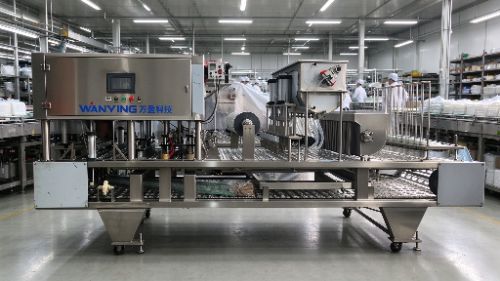
When a station runs short, the real cost shows up in minutes, not invoices. We keep buffer stock positioned by usage history and shift patterns, so parts reach the line before the bin empties. Daily cycle counts catch drift early, and sudden schedule changes trigger an immediate recheck of the components that have stopped you before.
Our local hubs carry deeper stock on the few dozen items that historically halt your process, instead of spreading inventory across thousands of slow movers. A replacement drive or sensor can be on a truck within the hour, not sitting in a regional warehouse two days out. For repeat failures, we stage kits at your site and swap them on a set cadence.
You also get a live view of what is reserved for your line, what is inbound, and what has dropped below its minimum. If a supplier slips, the system flags alternates we have already qualified for your equipment, so the line keeps moving instead of waiting on a backorder.
Engineering Support That Understands Your Product, Not Just the Equipment
Most support calls begin with the equipment. Ours begin with the product being made. That shift matters because a motor drawing extra current might be normal for a denser material batch, and a seal failing early could trace back to an upstream process change rather than a bad part. We read those signals against the product's actual requirements instead of stopping at the component level.
That context means the people you reach can follow a dimensional drift in your output back to a specific setting, tool, or raw material variation. They do not run through a generic checklist. They ask what changed, what the product has to tolerate, and what happens downstream if a parameter moves out of tolerance. The equipment is one part of a longer story. Our support is built around that whole story.
Changeover Guidance That Keeps Small Runs Profitable
Profitable short runs rarely fail because the work is hard; they fail because changeover time gets treated as an interruption instead of part of the cycle. Give the team a simple running order: what gets drained, unclamped, swapped, and verified. Keep it to one page. If a step is not on the page, it does not happen during the stop.
Move as much preparation outside the stop as you can. Heat the next mold, pre-stage raw material, and bring the tool cart to the machine before the last part comes off. A color-coded cart for each product line removes the search time that quietly eats margin. Let the operator confirm settings with a photo of the finished setup rather than a written list.
Measure changeover in minutes and review it the same day. When a changeover misses the target, ask what the crew was waiting on, not who to blame. Small-run shops that trim two or three minutes per switch can add enough capacity to avoid overtime or take on another job.
Training That Makes Operators Confident on Day One
Nobody wants to spend their first shift second-guessing every button press. Our onboarding pairs each operator with a mentor who stays on the floor, not in a classroom, until the trainee can run a full production cycle without looking at a manual. The goal isn't memorizing steps—it's building the muscle memory to handle routine jobs and the judgment to flag anything that feels off before it becomes downtime.
We front-load real equipment time. Trainees shadow a running line within the first hour, then take over single tasks under watch, stacking complexity only when the previous one feels automatic. Mistakes are treated as tuning data, not discipline. One shift is spent deliberately triggering common faults so new operators learn what a pressure drop sounds like, what a worn seal smells like, and how long they actually have to react.
By the end of week one, each new hire does a solo run with a supervisor standing by but not coaching. If they pause, check a gauge, and keep the line moving, they're ready. Most finish that run without needing the supervisor to step in—and that's the moment confidence stops being something we talk about and starts being something they already have.
A Service Mindset That Outlasts the Initial Purchase
A transaction ends when the invoice is paid. A relationship does not. The brands people return to are rarely the ones that disappear after the thank-you email; they are the ones that treat a first purchase as an opening line, not the whole conversation.
That shift shows up in small, unglamorous ways. A follow-up question that arrives before the customer has to ask. A fix offered without a scripted apology. Product advice that still feels useful months later, when the shine of something new has worn off. None of it is complicated, but it is rare enough to be remembered.
What lasts is not the warranty or the welcome discount. It is the quiet consistency of being treated like a client whose time and trust matter beyond the cart. That kind of service cannot be reduced to a chatbot flow, and it ages better than any feature list.
FAQ
A supplier that prevents downtime usually ships machines with accessible wear part lists, offers remote diagnostics, and keeps a local spare parts cache. That way issues get addressed during planned stops instead of turning into emergency line stoppages.
It should be one of the top three criteria. Even a well-built filler will eventually need seals, gaskets, nozzles, or sensors replaced. Suppliers with regional inventory and same-day dispatch for critical items help avoid waiting days for a small component.
Practical support includes help with changeover settings, product viscosity adjustments, and integration with existing conveyors or cappers. Suppliers that offer on-site commissioning and documented setup guides make it easier for operators to maintain steady output.
Yes. Many provide refresher sessions, video walkthroughs, and operator-level troubleshooting guides. The goal is to make the line team confident enough to handle common alarms, cleaning sequences, and minor mechanical adjustments without waiting for external help.
Design details matter a lot. Tool-free change parts, washdown-friendly frames, clear guarding, and accessible lubrication points reduce the time spent on routine tasks. A machine that is easy to clean and inspect tends to stay in better condition and avoids hidden wear failures.
A good supplier helps you schedule inspections around production calendars, tracks runtime hours, and flags components nearing expected life. That shifts work to planned maintenance windows rather than losing production to sudden breakdowns.
Usually, yes. If a supplier offers modular infeed, filling heads, or capping options, you can adjust for new container formats or higher speeds later without replacing the whole line. This flexibility keeps older lines relevant as product demand changes.
Clear timelines, honest lead times, and a named contact for technical questions. Suppliers that share regular updates and raise issues early tend to deliver smoother installations and fewer surprises during startup.
Conclusion
A supplier worth keeping around is the one who asks about your product before quoting a filler, because that early curiosity tends to shape the entire relationship. That habit shows up later in small, practical ways: changeover advice that accounts for viscosity, fill temperature, and foam instead of generic dial settings, and engineering calls that start with your formulation rather than a manual page. When parts are stocked locally or shipped without a chain of approval delays, a thirty-minute repair doesn't spiral into a three-day stoppage. The best vendors treat your line as an ongoing project rather than a closed sale, and their suggestions reflect that—they will tell you when a shorter run is still profitable and how to switch between SKUs without wasting film or product.
Training from that kind of supplier tends to be less about button-pushing and more about what to do when the seal bar temperature drifts or the fill weight starts to wander. Operators leave with the confidence to adjust, not just the ability to restart. After the installation, the relationship stays active: service updates are direct, parts arrive with the right specs, and someone who understands your product picks up the phone instead of reading from a script. That continuity is what keeps a packaging line moving—less firefighting, fewer surprises, and a quieter, steadier shift.
Contact Us
Contact Person: Tyson
Email: [email protected]
Tel/WhatsApp: +8613396971296
Website: https://www.wanyingmachinery.com