
Full Servo Diaper Making Machine: The Future of Automated, High-Efficiency Production
2026-04-15
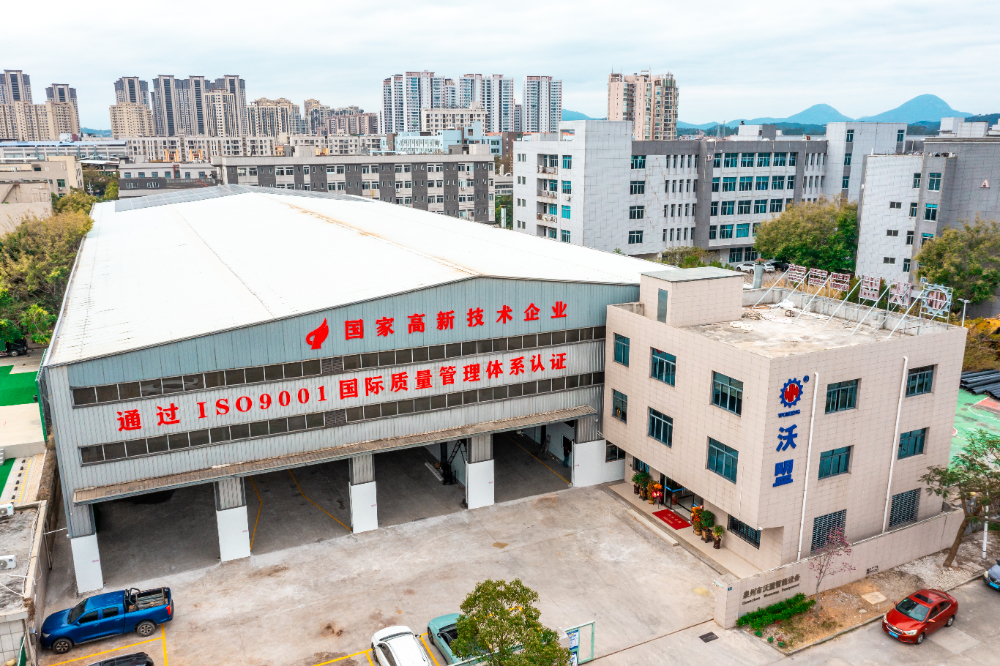
Imagine a world where every diaper produced is perfect, every time - an era where precision meets efficiency at unprecedented levels. This isn't a distant dream; it's the reality ushered in by the Full Servo Diaper Making Machine, a revolutionary advancement in automated manufacturing. In today's fast-paced industry, where demand for high-quality, cost-effective solutions is ever-growing, this technology stands as a beacon of innovation, promising to transform production lines across the globe. At Womeng, we're at the forefront of this evolution, pioneering systems that not only boost output but also ensure unparalleled reliability and customization. Join us as we delve into how these machines are setting new standards for efficiency, reducing waste, and empowering manufacturers to meet the challenges of tomorrow. Get ready to explore the future of diaper production, where automation isn't just an option—it's the key to sustainable success.
How Full Servo Technology Redefines Diaper Manufacturing Efficiency
In the competitive world of diaper production, the adoption of full servo technology is rapidly transforming how manufacturers approach speed and consistency. Unlike conventional mechanical setups, these systems leverage independent servo motors for every key movement—from the high-speed cutting of back-sheet materials to the precise positioning of elastic leg cuffs. This eliminates the reliance on timing belts and cams, reducing wear and tear and enabling real-time adjustments on the fly. By integrating advanced motion control algorithms, manufacturers can now achieve tighter tolerances in product assembly, ensuring each diaper meets exact specifications without constant manual intervention.
Beyond mere precision, full servo technology brings a new level of operational agility to the factory floor. Production lines can seamlessly switch between different diaper sizes or absorbency variants in a matter of minutes—a process that previously required lengthy downtimes for retooling. With servo-driven mechanisms, changes are executed through software commands, slashing setup times and boosting overall equipment effectiveness (OEE). This flexibility not only allows for rapid responses to market trends but also minimizes inventory buildup by enabling just-in-time manufacturing strategies, thereby cutting waste and enhancing supply chain responsiveness.
Perhaps most compelling is the long-term economic impact. While the initial investment in full servo systems can be higher, the payoff emerges through sustained efficiencies: energy consumption drops as motors operate only when needed, maintenance costs plummet due to fewer mechanical parts, and scrap rates decline with improved process control. In an industry where margins are tight, these incremental gains accumulate, giving forward-thinking producers a decisive edge in delivering high-quality, cost-effective diapers to a global market increasingly focused on both performance and sustainability.
Key Features That Set Modern Diaper Machines Apart
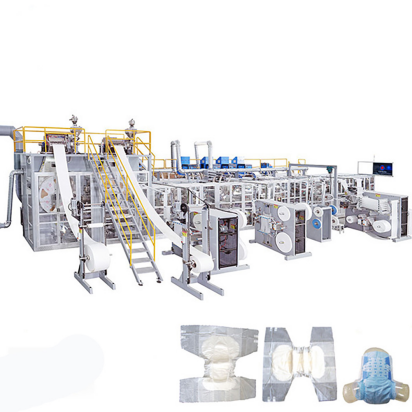
Instead of the basic automation of yesteryear, today's diaper machines are smart systems that can adapt on the fly. Think of them as having a mind of their own—sensors embedded throughout detect material thickness variations or humidity changes, then tweak settings in real-time to maintain perfect absorbency and comfort. This means fewer wasteful stoppages and diapers that actually feel as good as they're designed to, all without constant human tinkering. It's a game-changer in factories where consistency is king.
Gone are the rigid, single-purpose lines that dominated the industry. Now, machines are modular, allowing a single production line to switch from producing ultra-thin overnight diapers to heavier-duty training pants with just a few adjustments. This flexibility isn't just about speed; it lets brands respond to market trends almost instantly without retooling entire facilities. Imagine launching a new eco-friendly line in weeks instead of months, giving a real edge in a competitive market where parents demand variety.
Modern machines push sustainability beyond just using recyclable materials. They're built to minimize waste from the get-go—precise cutting techniques reduce scrap, and energy-efficient motors slash power usage by up to 30% compared to older models. Some even integrate closed-loop systems that reuse water or heat, cutting operational costs while shrinking the carbon footprint. It's not just a green bonus; it's a smart business move that resonates with eco-conscious consumers driving the industry forward.
Automation Advancements in Personal Care Product Lines
In the ever-evolving landscape of personal care, automation has become a game-changer, driving efficiency and precision across product lines. Gone are the days of manual production dominating the scene; today's facilities employ robotic arms and smart systems that streamline everything from mixing ingredients to packaging. This shift not only speeds up manufacturing but also ensures consistent quality, meeting consumer expectations for reliable results. As brands race to innovate, automation allows for faster turnaround on new formulations, enabling rapid responses to market trends without compromising on safety or performance.
What sets this automation apart is its ability to enhance customization while maintaining mass production capabilities. Advanced sensors and real-time data analytics enable manufacturers to adjust processes on the fly, tailoring products to specific needs—think personalized skincare with varying active ingredient concentrations. This blend of high-tech automation with a human touch means companies can offer bespoke solutions at scale, reducing waste and increasing consumer satisfaction. It's a fine balance between cutting-edge technology and the art of care, pushing the industry toward more sustainable and adaptable practices.
Looking ahead, the integration of AI and IoT into automation promises to revolutionize personal care further. Imagine smart factories where machines predict maintenance needs or optimize supply chains autonomously, minimizing downtime and environmental impact. This forward momentum isn't just about keeping pace; it's about redefining what's possible in product development and delivery, making personal care more accessible and innovative than ever before.
Enhancing Production Speed with Innovative Servo Systems
Innovative servo systems are transforming industrial production by boosting operational efficiency and precision. These advanced systems, often incorporating smart algorithms and real-time feedback, enable machinery to respond dynamically to varying loads and conditions, minimizing downtime and maintaining optimal speeds. Unlike traditional setups that rely on fixed parameters, modern servo technology adapts seamlessly, reducing wear and tear while ensuring consistent output quality—key factors in today's fast-paced manufacturing landscapes.
What sets these systems apart is their ability to integrate with emerging technologies like IoT and AI, allowing for predictive maintenance and data-driven adjustments. For instance, a servo motor can predict potential failures or performance drops based on collected data, enabling proactive interventions that keep production lines running smoothly. This not only accelerates throughput but also enhances reliability, giving businesses a competitive edge by meeting tight deadlines without compromising on product standards.
From automotive assembly to packaging, the impact of these innovations is evident. By fine-tuning motion control and reducing energy consumption, servo systems contribute to greener, more sustainable operations while pushing the boundaries of speed. As industries evolve, adopting such technologies is no longer optional but a strategic move to stay ahead, ensuring that production not only keeps up with demand but sets new benchmarks for efficiency and innovation.
Sustainability and Precision in Automated Diaper Production
Sustainability in automated diaper production goes beyond simply reducing waste or energy consumption. It's about designing systems that integrate circular economy principles from the ground up. For instance, modern lines can incorporate biodegradable materials seamlessly, adjusting machinery to handle delicate fibers without sacrificing speed. Real-time monitoring ensures minimal material spills, while predictive maintenance prevents energy-intensive breakdowns. This holistic approach means every diaper produced is not only efficient but environmentally conscious, aligning with growing consumer demand for truly green products without compromising on quality or reliability.
Precision plays a crucial role in achieving these sustainability goals. Advanced sensors and AI-driven controls in automated diaper lines enable micron-level accuracy in material placement and adhesive application. This reduces overuse of resources, like absorbing gels or plastics, by up to 15%, directly cutting costs and environmental impact. Moreover, precision allows for customized production runs—adjusting sizes or features on-the-fly to match regional needs, minimizing unsold inventory and waste. It's this fine-tuned control that transforms a standard manufacturing process into a responsive, adaptive system where every action is optimized for both performance and planet.
Together, sustainability and precision create a synergy that sets automated diaper production apart. Unlike traditional methods that might treat these aspects separately, integrated systems use data analytics to balance eco-friendly materials with operational efficiency dynamically. For example, a line might automatically switch to recycled packaging during off-peak hours when energy is greener, all while maintaining tight tolerances on diaper assembly. This dual focus not only meets regulatory standards but also drives innovation, offering manufacturers a competitive edge by producing diapers that are as smart in their design as they are gentle on the environment.
Future-Proofing Manufacturing with Smart Diaper Equipment
Next-generation diaper production lines are revolutionizing the industry by incorporating smart sensors and automation that adapt in real-time to changes in demand and materials, reducing waste and ensuring consistent quality without constant human oversight. These innovations allow manufacturers to quickly pivot between sizes or absorbency levels, making operations more agile and responsive to market shifts, ultimately cutting costs and boosting efficiency in ways traditional equipment couldn't achieve.
Integrating IoT connectivity and predictive analytics into diaper machinery enables proactive maintenance and minimizes downtime by alerting operators to potential issues before they escalate. This shift not only enhances reliability but also gathers data on performance trends, supporting continuous improvement strategies that keep facilities competitive and ready for future technological advancements in the sector, setting a new standard for sustainable and resilient manufacturing.
Beyond basic production, smart diaper equipment fosters innovation through features like customizable designs and eco-friendly material handling, empowering brands to meet evolving consumer expectations for both functionality and environmental responsibility. By leveraging these advanced tools, companies can future-proof their operations against disruptions while differentiating their products in a crowded market, ensuring long-term growth and relevance in an ever-changing global landscape.
FAQ
The Full Servo Diaper Making Machine is a state-of-the-art automated system designed for producing diapers with high precision and efficiency. Its revolutionary aspect lies in its fully servo-driven components, which allow for greater flexibility, reduced material waste, and faster production speeds compared to traditional mechanical machines, making it a game-changer in the hygiene products industry.
This machine enhances efficiency by utilizing advanced servo motors for each process step, enabling seamless synchronization and real-time adjustments. It reduces downtime through predictive maintenance features, cuts energy consumption, and allows quick changeovers between product types, significantly boosting overall output and operational agility.
Key features include integrated IoT connectivity for remote monitoring, modular design for easy customization, high-speed operation up to 1,200 pieces per minute, and intelligent control systems that optimize material usage. These elements ensure consistent quality, adaptability to market trends, and lower long-term operational costs.
It supports sustainability by minimizing material waste through precise cutting and application, using energy-efficient servo technology, and enabling the use of eco-friendly materials. Additionally, its durability and reduced maintenance needs help lower the carbon footprint over the machine's lifecycle.
Yes, it offers extensive customization options with programmable settings for various diaper styles, such as pull-ups, tapes, or different absorbency levels. The servo-driven components allow rapid adjustments in size, shape, and material layers, making it versatile for diverse product lines and regional market demands.
Main challenges include the high initial investment, need for skilled operators, and integration with existing systems. Manufacturers can overcome these by seeking financing options, providing targeted training programs, and partnering with suppliers for phased implementation and technical support to ensure a smooth transition.
It shifts workforce needs toward more technical roles, such as machine programming and data analysis, while reducing manual labor for repetitive tasks. This requires upskilling employees and fostering a culture of innovation, ultimately leading to higher-skilled jobs and improved productivity in modern manufacturing environments.
Future advancements may include enhanced AI for predictive quality control, greater integration with smart factory ecosystems, and development of more compact, mobile units for decentralized production. These innovations could further boost efficiency, reduce costs, and expand accessibility for smaller manufacturers globally.
Conclusion
The Full Servo Diaper Making Machine represents a revolutionary leap in automated, high-efficiency production, transforming the personal care industry with its advanced capabilities. By integrating cutting-edge full servo technology, this machine redefines operational efficiency, allowing for unprecedented precision and control in diaper manufacturing. Key features such as smart automation and real-time monitoring set modern machines apart, ensuring seamless workflows and minimal downtime. These innovations not only enhance production speed by leveraging innovative servo systems but also contribute significantly to sustainability goals, reducing waste and energy consumption through precise material handling. The result is a future-proof manufacturing process that combines speed with eco-friendly practices, paving the way for smarter, more adaptable equipment in automated diaper production.
Further advancements in automation across personal care product lines emphasize the machine's role in driving industry evolution. By focusing on sustainability and precision, the Full Servo Diaper Making Machine addresses critical environmental concerns while maintaining high-quality output. Its smart features enable dynamic adjustments and proactive maintenance, minimizing disruptions and optimizing resource use. This approach not only future-proofs manufacturing but also offers a competitive edge, aligning with global trends towards greener, more efficient production methods. Ultimately, this machine stands as a testament to how innovation can harmonize efficiency with responsibility, shaping the future of automated diaper manufacturing.
Contact Us
Contact Person: Jessie Lai
Email: [email protected]
Tel/WhatsApp: 86-188594442931
Website: https://www.wm-machinery.com