

High Precision Cold Rolling Mills: Elevating Chinese Manufacturing Excellence
2026-02-08
In the rapidly evolving landscape of Chinese manufacturing, precision is no longer just a goal—it's a prerequisite for global competitiveness. Enter high precision cold rolling mills, the unsung heroes shaping industries from automotive to aerospace. At the forefront of this technological revolution stands GRM, a brand synonymous with innovation and excellence. Their cutting-edge solutions are not merely machines; they are the backbone of a manufacturing renaissance, elevating quality standards and driving efficiency to unprecedented heights. As we delve into the world of GRM's high precision cold rolling mills, we'll explore how these advanced systems are redefining what's possible in modern production. What makes GRM's technology so transformative, and how is it propelling Chinese manufacturing onto the world stage? Let's uncover the secrets behind the precision that's setting new benchmarks across sectors.
Revolutionizing Industrial Standards with Advanced Cold Rolling Technology
The advent of advanced cold rolling technology isn't just a step forward; it's a complete overhaul of the industrial playbook. Unlike traditional methods that left materials prone to defects and inconsistencies, the latest innovations in cold rolling deliver unparalleled precision, dramatically reducing waste and boosting yield. This shift is reshaping how factories operate, enabling them to meet tighter tolerances in aerospace components, automotive bodies, and electronics—sectors where even a micron can make or break a product. It's the kind of game-changer that doesn't just improve processes; it redefines what's possible in manufacturing.
What truly sets this technology apart is its ability to tailor material properties on the fly. By controlling parameters like roll pressure and speed with high-tech sensors, engineers can now produce steels and alloys with customized strength, ductility, and surface finishes directly from the mill. This flexibility allows for lighter, more durable materials in construction and transportation, opening doors to innovations like energy-efficient vehicles and resilient infrastructure. In essence, it's moving beyond one-size-fits-all solutions to a bespoke approach that fuels creativity across industries.
Looking ahead, the ripple effects are profound. As these advanced systems become more integrated with AI and IoT, factories are evolving into smarter, more responsive environments that adapt in real-time to production needs. This isn't merely about keeping pace with standards—it's about setting new ones, pushing the boundaries of efficiency and sustainability. By cutting down on energy consumption and emissions, cold rolling tech is also paving the way for greener manufacturing, proving that industrial progress and environmental stewardship can go hand-in-hand. Ultimately, it's a revolution that's reimagining the very foundation of global industry.
Enhancing Product Quality in China's Manufacturing Landscape
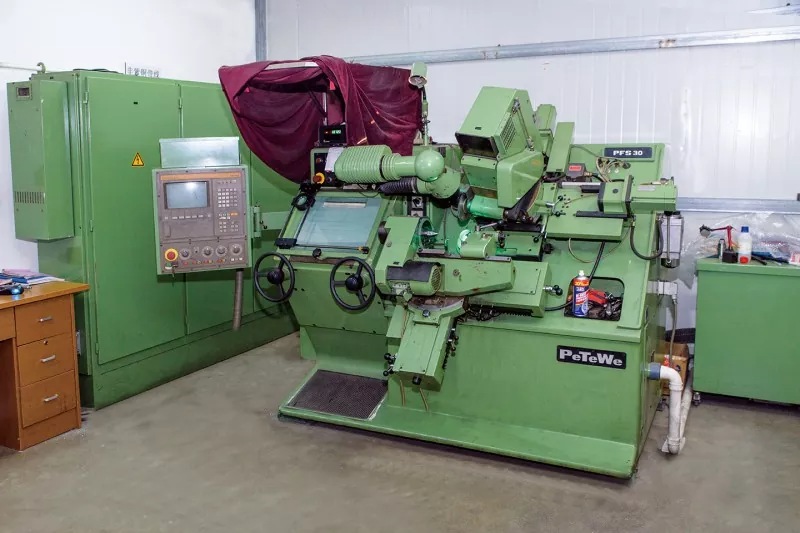
Over the past few decades, China's manufacturing sector has evolved from a high-volume, low-cost production hub to a key player in global supply chains, increasingly focusing on enhancing product quality. This shift is driven by factors such as rising domestic consumer expectations, international competition, and government initiatives like "Made in China 2025," which emphasize innovation and quality upgrades. Companies are now investing in advanced technologies, such as automation and AI-driven quality control systems, to reduce defects and improve consistency, moving beyond mere assembly-line efficiency to deliver products that meet stringent global standards.
In practice, this enhancement often involves a multipronged approach: manufacturers are adopting lean production principles to minimize waste, while also fostering closer collaborations with suppliers to ensure raw material integrity. For instance, industries like electronics and automotive are implementing real-time monitoring and predictive analytics to catch issues before they escalate, leading to more reliable outputs. This not only boosts customer satisfaction but also helps Chinese brands build trust and compete in premium markets, reducing reliance on price-based competition alone.
Looking ahead, the focus on quality is reshaping the manufacturing landscape by encouraging a culture of continuous improvement and skill development among workers. Training programs and partnerships with international experts are becoming more common, helping to bridge the gap between traditional practices and modern quality benchmarks. As sustainability gains traction, quality enhancement also ties into environmental considerations, with efforts to produce durable, eco-friendly goods that align with global trends, positioning China's manufacturing for long-term resilience and innovation.
Innovations Driving Efficiency in Cold Rolling Operations
Cold rolling operations have seen a transformation in recent years, thanks to innovative technologies that streamline the process. For instance, automated control systems using real-time data analysis now allow mills to adjust parameters on the fly, reducing waste and enhancing product consistency. These systems integrate sensors and machine learning algorithms to predict and correct deviations, ensuring smoother production runs without constant manual oversight.
Another key innovation is the adoption of advanced lubrication techniques that minimize friction during rolling. By employing nano-additives or eco-friendly lubricants, mills can achieve higher speeds and longer tool life, cutting down on maintenance costs. This not only boosts efficiency but also aligns with sustainability goals, offering a competitive edge in an industry where every second counts.
Furthermore, digital twin technology is revolutionizing cold rolling by creating virtual replicas of the equipment. Operators can simulate different scenarios to optimize settings before actual production, preventing downtime and reducing errors. Such forward-thinking approaches are reshaping how mills operate, making them more agile and resilient in a fast-paced market.
Contributing to Global Competitiveness Through Precision Engineering
In today's fast-paced international market, precision engineering stands as a critical driver for enhancing global competitiveness, enabling industries to innovate with unmatched accuracy and reliability. By focusing on meticulous design and manufacturing processes, companies can produce high-performance components that meet rigorous standards, reducing waste and improving efficiency across supply chains. This strategic approach not only boosts product quality but also fosters trust among global partners, positioning businesses to thrive in competitive arenas where precision often dictates market leadership.
The integration of advanced technologies, such as AI-driven automation and real-time monitoring systems, amplifies the impact of precision engineering, allowing for continuous optimization and adaptation to evolving demands. This synergy empowers industries—from aerospace to medical devices—to deliver cutting-edge solutions that set new benchmarks, ultimately driving economic growth and strengthening international trade relationships. By leveraging these innovations, organizations can navigate complex global challenges while maintaining a sustainable edge over competitors.
Moreover, a commitment to precision engineering cultivates a culture of excellence, attracting skilled talent and fostering collaborative ecosystems that spur further innovation. This holistic approach ensures long-term resilience, as industries become adept at anticipating market shifts and responding with agile, high-quality outputs. In essence, it transforms technical prowess into a strategic asset, cementing a nation's or company's role as a key player in the global economy through sustained competitive advantage.
Supporting Sustainable Practices in Modern Metal Processing
Metal processing has long been criticized for its hefty environmental footprint, but today's industry is actively shifting gears to embrace greener methods. One standout approach is the increased use of recycled materials, which not only slashes raw material extraction but also drastically cuts down energy consumption—think of it as giving old metal a second life with far fewer emissions. Companies are now integrating advanced technologies like electric arc furnaces fueled by renewable energy sources, making the entire process cleaner from start to finish.
Beyond just recycling, innovations in processing techniques are making waves. Water conservation is a big focus, with closed-loop systems that minimize waste and prevent harmful runoff, while additive manufacturing (3D printing) reduces material scrap by building parts layer by layer. These methods aren't just eco-friendly; they often boost efficiency and lower costs, proving that sustainability can go hand-in-hand with profitability in the modern metal sector.
Supporting these practices also hinges on collaboration across the supply chain and smart policy nudges. Industry leaders are partnering with research institutions to develop less toxic chemicals and smarter waste management, while certifications and incentives encourage wider adoption. It's a holistic push toward a future where metal processing isn't just about strength and durability, but also about leaving a lighter, more responsible mark on our planet.
Fostering Growth in China's High-Tech Industrial Sectors
China's high-tech industrial sectors are experiencing a significant transformation, driven by a combination of government initiatives, innovative startups, and global market integration. This growth is not just about expanding production but also about enhancing technological capabilities and fostering a sustainable ecosystem. By focusing on areas like artificial intelligence, biotechnology, and renewable energy, China is positioning itself as a leader in the global tech landscape, creating new job opportunities and boosting economic resilience.
Recent policies have encouraged collaboration between research institutions and private enterprises, leading to breakthroughs in fields such as quantum computing and 5G technology. This synergy helps overcome traditional barriers and accelerates the development of cutting-edge products. For instance, increased investment in R&D has spurred advancements that attract international partnerships, making China a hub for high-tech innovation. The emphasis on digital infrastructure further supports this progress, enabling seamless connectivity and data-driven solutions across various industries.
Despite the rapid expansion, challenges remain, such as intellectual property protection and talent shortages. Addressing these issues through targeted reforms and educational programs is crucial for long-term success. As these sectors evolve, they not only contribute to China's economic growth but also shape global technological trends, highlighting the importance of a balanced approach that prioritizes innovation while maintaining ethical standards.
FAQ
High precision cold rolling mills stand out due to their advanced control systems for tight tolerances, reduced material waste, and ability to produce ultra-thin, high-strength metals, enhancing efficiency and product quality in industries like automotive and electronics.
By enabling the production of superior quality materials with greater consistency and lower costs, these mills help Chinese manufacturers meet international standards, reduce imports, and gain a competitive edge in export markets, particularly in high-tech sectors.
Innovations include AI-driven process optimization, real-time monitoring sensors, automated roll gap control, and eco-friendly cooling systems, which improve precision, energy efficiency, and reduce downtime, pushing the boundaries of manufacturing capabilities.
They are essential in industries demanding high-performance materials, such as aerospace for lightweight components, automotive for safety parts, electronics for circuit boards, and medical devices for precise instruments, where reliability and durability are paramount.
Challenges include high initial investment costs, the need for skilled technicians to operate complex machinery, maintaining consistent quality across large-scale production, and adapting to rapidly evolving material and environmental regulations.
Enhanced precision reduces material scrap and energy consumption during production, supports the use of recycled metals, and minimizes waste, aligning with sustainability efforts to lower carbon footprints and promote circular economy practices.
High precision mills offer significantly higher efficiency through faster processing speeds, minimal manual intervention, and better yield rates, whereas traditional methods often involve more waste, slower cycles, and less consistent output, leading to higher operational costs.
Future trends include integration with IoT for smart factories, development of hybrid mills for diverse materials, increased focus on green manufacturing technologies, and collaborations with global partners to advance R&D, ensuring China remains a leader in precision manufacturing.
Conclusion
High precision cold rolling mills represent a transformative force in Chinese manufacturing, revolutionizing industrial standards through advanced technology that dramatically improves the quality and consistency of metal products. By integrating sophisticated cold rolling techniques, these mills enhance product quality within China's vast manufacturing landscape, ensuring materials meet stringent specifications for various high-tech applications. Innovations driving efficiency in cold rolling operations not only boost productivity but also reduce waste and energy consumption, supporting sustainable practices in modern metal processing while contributing to global competitiveness through precision engineering.
This technological advancement fosters growth in China's high-tech industrial sectors by providing superior materials essential for industries such as automotive, aerospace, and electronics. The synergy of these elements elevates Chinese manufacturing to new heights, positioning the country as a leader in precision metal processing. Ultimately, high precision cold rolling mills exemplify how targeted engineering innovations can create a ripple effect, strengthening domestic capabilities and reinforcing China's role in the global supply chain with reliable, high-performance products.
Contact Us
Contact Person: Rayna
Email: [email protected]
Tel/WhatsApp: 86 -173 1474 6343
Website: https://www.grmrollingmill.com/