

High Quality Solar Lawn Lights That Transform Your Outdoor Space
2026-08-17
当夜幕降临,你的花园是否还沉浸在黑暗中?高品质太阳能草坪灯能瞬间点亮小径、花坛和露台边缘,把普通庭院变成迷人的夜间绿洲。而SRS品牌的灯具,凭借精湛工艺与持久续航,让每一次日落都成为户外空间华丽变身的开始。接下来,让我们看看这些小巧的灯光如何重新定义你的户外体验。
The Real Difference Between Cheap and Premium Solar Lawn Lights
Most people assume a higher price tag only buys a nicer casing, but the actual gap starts inside the battery compartment. Cheap solar lawn lights typically use nickel-cadmium or low-grade nickel-metal hydride cells that degrade within six to twelve months, especially in heat or cold. Premium models rely on lithium iron phosphate or high-quality lithium-ion packs that hold a charge longer, survive hundreds more cycles, and keep the light glowing well past midnight even after a cloudy day. Swap a cheap light’s battery after one season and you’ll see the real cost difference—premium lights rarely need that kind of attention.
Another tell is the solar panel and the way it’s wired. Budget lights often use a thin amorphous silicon panel glued under a plastic dome, which scratches easily and loses efficiency when dust or water sits on it. Premium versions opt for monocrystalline cells with a tempered glass cover and a sealed junction box, so they keep pulling in usable power even in partial shade or drizzle. That difference shows up in run time: a cheap light might fade by 10 p.m., while a premium unit still casts a soft pool at 2 a.m. on the same day’s charge.
Finally, look at the LED and the diffuser. Cheap lights often use a single harsh diode behind clear plastic, creating a blinding point source that attracts bugs and creates shadows. Premium designs spread the light through frosted lenses or indirect reflectors, using warmer color temperatures that feel more like moonlight than a flashlight. That’s why a $15 set of six can look brighter in a photo but actually light a path worse than one $25 fixture—the cheap beam wastes half its output on glare, while the premium one puts usable light exactly where your feet land.
A Simple Trick to Make Your Garden Look Expensive After Sunset
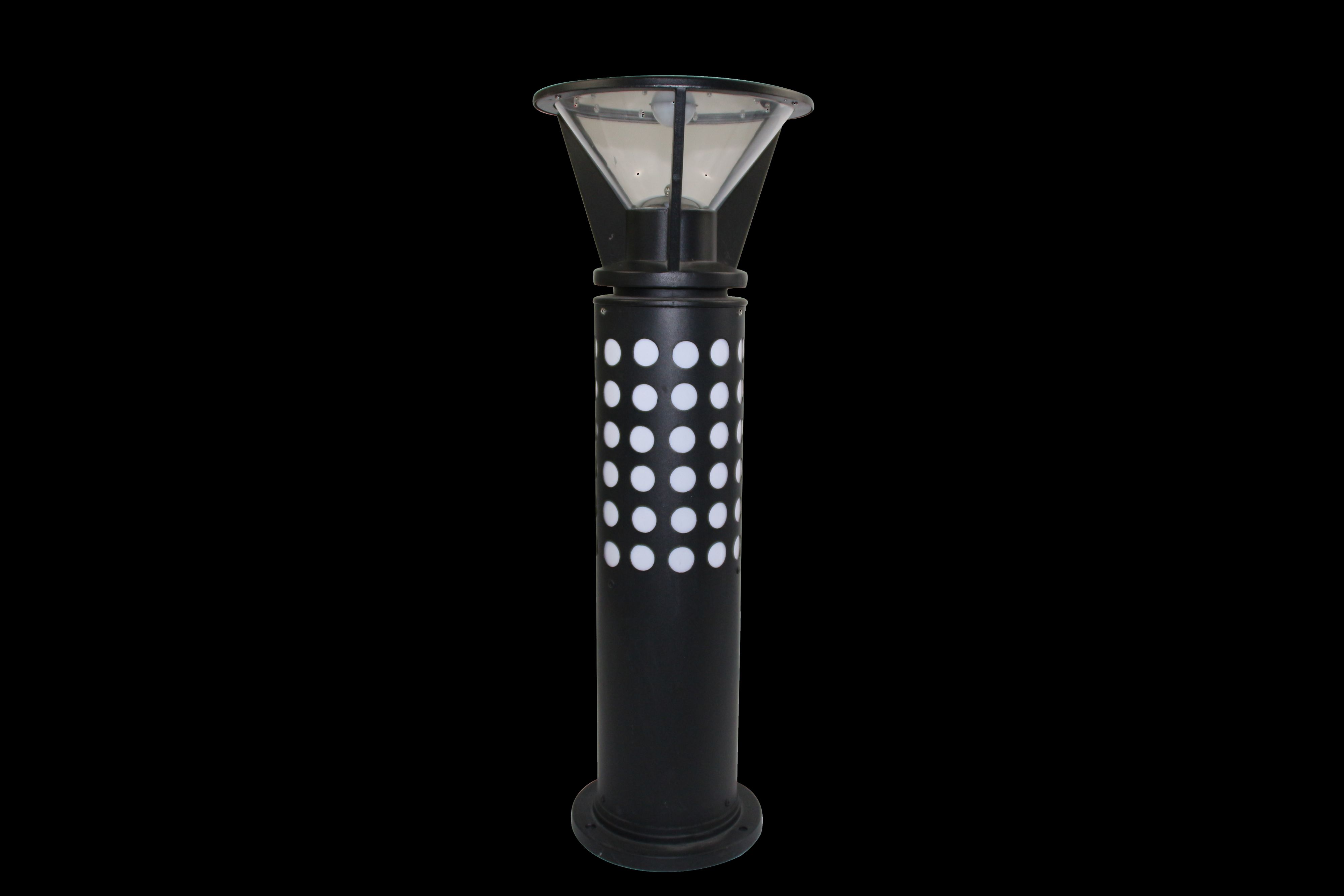
Most people flood their yards with bright, uniform light after dark, which only flattens every texture and makes the space feel like a parking lot. The single shift that changes everything is to hide small, warm-toned fixtures at ground level, aimed upward into the silhouettes of your best plants, a textured wall, or a sculptural branch. Instead of seeing the light source, you see only the shadow play and the gentle glow that carves out depth — exactly how high-end resorts do it. The garden suddenly gains mystery, and mystery reads as money.
Why this works has less to do with wattage and more with contrast. A few carefully placed uplights create pools of illumination separated by soft darkness, so the eye moves from highlight to highlight rather than taking in an evenly lit sprawl. That rhythm makes a small yard feel layered and intentional. It also hides flaws: a worn fence disappears into the shadows, while the graceful trunk of a birch or the feathery seed heads of ornamental grasses become the stars. You are not lighting the whole garden — you are curating what deserves attention.
For the easiest version, choose three to five low-voltage spotlights with a warm color temperature around 2700K. Tuck them behind a clump of perennials, under a shrub, or at the base of a tree, aiming the beam away from seating areas so no one squints. If you have a water feature, place one light so it ripples across the surface — that single reflection can double the perceived size of the space. The goal is not to banish the night but to frame it, letting the garden hold its own long after the sun drops.
Where Most People Place Solar Lights Wrong (And How to Fix It)
Most folks assume any sunny spot works, but shade from a fence, tree, or even the house overhang can starve the panel. A solar light that only gets a couple of hours of direct sun will start strong after a bright day but fade by midnight. Walk your yard at different times before installing and look for spots that stay lit by the sun from mid-morning to late afternoon. If a favorite spot is partly shaded, trimming a branch or angling the panel with a small bracket often makes more difference than buying a bigger light.
Another overlooked mistake is placing lights too close to existing fixtures. When a solar light sits near a porch lamp or streetlight, its sensor can stay calm all night thinking it's still daytime, so the light never switches on. Move the unit a few feet away, or turn the sensor face away from the bright source. If you can't relocate it, a small piece of electrical tape over part of the sensor can also stop the false reading.
Drainage matters more than people expect. Low spots in the lawn or garden collect water after rain, and solar lights with battery compartments near ground level can short or corrode. Mount them a few inches higher on a stake extension or choose models with sealed battery boxes. Also avoid bunching them into tight rows; overlap the light pools instead of creating a runway effect, and you'll get a more even glow along the path.
How to Choose Solar Lights That Actually Survive Winter
The biggest reason solar lights die in winter isn't the cold—it's the battery. Look for models that use lithium iron phosphate (LiFePO4) or at least a modern lithium-ion cell. Old nickel-metal hydride batteries lose voltage fast below freezing, which leaves you with a light that charges all day but shuts off an hour after sunset. A solid lithium battery keeps working at -20°C, so your walkway doesn't go dark in January.
Next, check the IP rating. Anything below IP65 will let moisture sneak in when snow melts and refreezes, which corrodes the internals quickly. Choose a fixture with a sealed, rust-proof body—powder-coated aluminum beats thin plastic that cracks after one freeze-thaw cycle. Also, tilt the panel so snow can slide off instead of sitting on top and blocking the cell for weeks.
Finally, don't trust a 'solar hours' spec that assumes summer sun. In winter you might only get three or four usable charging hours, so pick a light with more panel area than you think you need. Mount it on a south-facing wall or post if possible, and clear the panel after every snowfall. The difference between a light that limps along and one that genuinely survives winter often comes down to those small placement choices.
The Secret to a Cozy Patio Is Not More Candles
The biggest mistake people make when trying to warm up a patio is treating it like an indoor room that happens to be outside. A dozen flickering candles won't fix a space that feels stiff or over-styled. Coziness comes from how the area invites you to linger—think worn-in chair cushions, a side table within easy reach, and a rug that softens the hard ground underfoot. Swap the sterile symmetry for a loose cluster of seating that actually faces the conversation, not the fence.
Real warmth also comes from texture and movement. Hang a thick outdoor curtain on one side to cut the breeze and frame the space. Toss a chunky knit throw over the arm of a chair even if you rarely use it. Add a few potted grasses that rustle when the wind picks up. These details do more than candles ever could because they give your eyes and hands something to settle on.
If you do want that soft glow, skip the tiny tea lights and go for one or two low, shaded lanterns placed at knee height. They create a pool of light that feels intimate rather than scattered. But the real trick is to stop decorating and start living out there—leave a book half-open on the table, keep a tray with mismatched glasses nearby, and let the patio feel like a room you already use, not one you're still perfecting.
Your Neighbors Will Think You Hired a Landscape Architect
A few well-placed curves can fool the eye into seeing a much larger, more intentional yard. Instead of straight bed lines that feel rigid and predictable, bring the edge of your lawn inward with a gentle sweep, then tuck a cluster of grasses or a small flowering shrub right at the bend. That single move creates depth and makes it look like someone actually measured the site before planting.
Layer your materials the way a pro would. Use a low ground cover near the walkway, a mid-height perennial behind it, and a taller structural plant at the back. When the heights step up gradually, the border reads as designed rather than thrown together. Mix in one unexpected texture—like a soft blue fescue next to a broad-leaf hosta—so the contrast feels deliberate without shouting for attention.
Finish with a clean, defined edge. Cut a crisp line between the bed and the lawn, then top the soil with a dark, fine-grade mulch. The sharp separation makes every plant look intentional, and the dark backdrop lets leaf colors pop. No edging bricks or plastic needed—just a sharp spade and a steady hand every few weeks to keep the line true.
FAQ
Look for an aluminum or powder-coated steel body instead of thin plastic, a tempered glass lens rather than acrylic, and a replaceable lithium-ion battery. The panel should be monocrystalline or polycrystalline with at least 20% conversion efficiency. Cheap units often have integrated batteries you can't swap, which turns the whole fixture into trash once the cell degrades.
A full day of strong sun typically yields 8 to 12 hours of runtime, depending on the brightness mode. Some models include a motion sensor or a dim-to-bright feature that stretches the charge to nearly 14 hours by running at 20% until someone walks past.
Yes, provided the fixture carries an IP65 or IP66 rating. The seals around the battery compartment and the lens need to resist sustained moisture, not just a quick splash. In heavy snow, brush off the panels occasionally so they can recharge once the sky clears.
They need at least 4 to 6 hours of direct or bright dappled sunlight to perform well. Deep shade will cut runtime significantly. If the spot only gets morning light, angle the panel slightly toward the sun or choose a model with a separate remote panel that can be placed in a sunny patch.
Quality models now use efficient LED chips that deliver 30 to 100 lumens per fixture. That is enough to define a pathway, highlight garden beds, or add a warm pool of light at 2700K to 3000K. For brighter security lighting, look for versions with 200 lumens or a focused downlight reflector.
Most are tool-free. You push the stake into soft ground, attach the head, and let the battery charge before the first use. If the soil is rocky, soak the area or use a pilot hole. No wiring, transformer, or timer is needed, so you can reposition them as plants grow.
Wipe the panel with a damp cloth every few weeks, especially if you live near a dusty road or under trees. Avoid using abrasive cleaners. Over time, if the lens gets fine scratches, a plastic polish can restore some clarity, but replacing a removable panel cover is easier on better-designed lights.
Good solar lawn lights use standard NiMH or lithium-ion batteries, usually one or two 18650 or AA-size cells. Expect to replace them every 2 to 3 years depending on climate and charge cycles. Buy a quality branded cell rather than a cheap generic one, and store lights indoors during extreme cold if possible.
Conclusion
Most people assume any solar lawn light will do, until the first cloudy week leaves their yard looking patchy and dim. Cheap units often share the same weak spots: flimsy plastic housings that yellow after one summer, batteries that refuse to charge below 50°F, and LEDs that cast a cold, flat puddle instead of warm, layered light. Premium lights behave differently because they pair tempered glass or powder-coated aluminum with high-capacity lithium batteries and full-spectrum emitters. That means you get a soft, natural glow rather than a harsh spotlight, and the fixture itself stays handsome in daylight instead of turning brittle. Placement matters even more than price. Lining a path like airport runway lights creates glare and kills the mystery. Instead, stagger lights slightly off the walkway, nestle a few under shrubs to catch leaf shadows, or aim one at a stone wall for reflected depth. The trick that makes a garden feel expensive after sunset is not more brightness—it’s contrast. Let some areas fall into darkness so the illuminated spots feel intentional, even sculptural.
For a patio that feels inviting without a single candle, rely on low, warm-toned solar lights placed at seating height or hidden inside planters. A string of tiny globe lights overhead can feel cluttered, but two or three well-made stake lights tucked behind a potted fern create a private, relaxed pocket of light. Winter is where cheap lights quit: many stop charging when temperatures dip, leaving you with dead fixtures by January. Look for models rated for cold weather, with replaceable batteries and waterproof seals that survive ice and thaw cycles. In snow-prone areas, raise lights slightly on brackets or use wall-mounted options to keep the solar panel clear. When the placement feels natural and the hardware looks like real landscape lighting rather than plastic toys, the whole yard takes on a polished, designed quality. Neighbors won’t notice the fixtures themselves; they’ll just assume you hired someone with a plan. That’s the real goal—light that makes your outdoor space feel cared for, season after season.
Contact Us
Contact Person: kitty
Email: [email protected]
Tel/WhatsApp: +8618676039824
Website: https://www.srssolargroup.com/