

High-Quality Thermal Inkjet Printers: Unleashing Precision and Vibrant Color for Every Project
2026-06-08
Imagine every print bursting with precision and color so vivid it leaps off the page. That’s the promise of high-quality thermal inkjet technology—and Danmajet is redefining what’s possible. Whether you’re crafting intricate designs or producing crisp business documents, the right printer transforms your project from ordinary to unforgettable. But what sets Danmajet apart in a sea of options? Let’s dive into the innovation that makes every detail matter.
The Core Mechanics Behind Thermal Inkjet Precision
At the heart of thermal inkjet precision lies a microscopic resistor that heats ink to its boiling point in microseconds, forming a vapor bubble that propels a single droplet onto the paper. This process, repeated thousands of times per second, relies on finely tuned thermal dynamics to control drop volume, velocity, and trajectory with remarkable consistency. The resistor’s precise geometry and the ink’s boiling characteristics are engineered to ensure each firing delivers the exact amount needed, eliminating satellites and splatter.
Unlike mechanical counterparts, thermal inkjet printheads eliminate moving parts, reducing wear and enabling densely packed nozzle arrays. The rapid heating and cooling cycles demand advanced materials that withstand thermal stress without degradation, while nozzle plates are laser-drilled to micron‑level tolerances. This combination of material science and fluid dynamics allows for high‑frequency droplet ejection, making possible crisp text and smooth gradients even at print speeds that would challenge other technologies.
The synergy between ink formulation and printhead design is critical: pigments and dyes are tailored to avoid kogation—residue buildup on the resistor—which would otherwise erode precision over time. Additives control surface tension and viscosity, ensuring reliable nucleation and consistent drop formation. Through iterative refinement of these variables, thermal inkjet achieves the pinpoint accuracy demanded by applications ranging from photo prints to industrial coding, where every droplet counts.
How Vibrant Inks Transform Everyday Prints
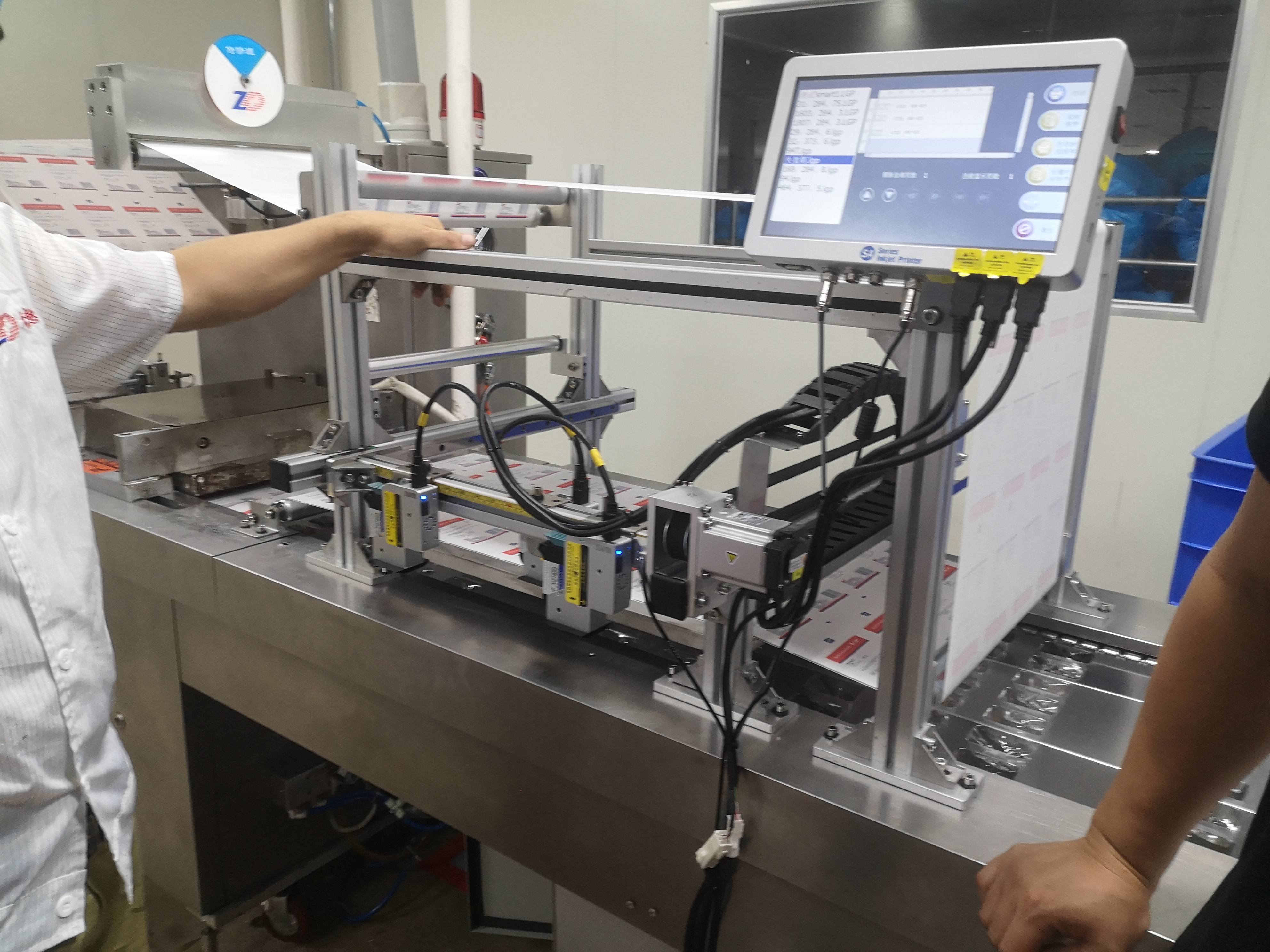
There’s something almost magical about the way vibrant inks breathe life into the ordinary. A simple grocery list scribbled on a sheet of paper suddenly feels intentional, while a child’s doodle becomes a vivid storybook moment. It’s not just about adding color—it’s about transforming a flat, forgettable surface into a piece of visual communication that demands attention. The rich saturation of a well-chosen ink makes everyday documents personal, turning them from mundane tasks into small, satisfying rituals.
This transformation is especially striking in projects where details matter. Labels for homemade preserves, for instance, stop being mere identifiers and become part of the gift itself when printed in deep berry or citrus tones. Event invitations gain a sense of occasion before a single word is read, simply because the ink carries an emotional weight that black text alone can’t convey. Even functional items like calendars or to-do lists feel less like obligations when their headings pop with unexpected brightness, subtly shifting how we interact with them throughout the day.
The key lies in how these inks interact with different papers—a matte sheet absorbs them softly, creating a velvety depth, while glossy surfaces amplify their luminance, making each color practically glow. Pairing bold hues with crisp typography can elevate a simple quote print into wall-worthy art, and using gradients or layered shades adds dimension that invites a second look. In the end, it’s this thoughtful use of color that bridges the gap between the digital and the tangible, reminding us that even the most routine prints can spark a moment of delight.
Choosing the Right Media for Unmatched Output
Selecting the right medium often feels like a balancing act between what you want to say and how your audience likes to hear it. Print still holds a tactile advantage when you need something physical—a brochure that lingers on a coffee table or a poster that stops someone mid-scroll. Digital, on the other hand, thrives on immediacy and reach, letting you nudge a message into someone's pocket at just the right moment. Neither is inherently better; it’s about matching the material to the moment.
Context shapes everything. A dense report might land better in a well-designed PDF, where charts stay sharp and readers can pause without losing their place. But if you’re after a quick emotional hook, a short video or an interactive social post often cuts through the noise more effectively. Pay attention to where your audience actually spends time—not where you assume they are—and tailor the format accordingly. Surprise them by showing up in a place they’ve already invited you into.
Don’t underestimate the power of mixing lanes. Sometimes the most memorable campaigns start with a printed mailer that leads to an immersive digital experience, creating a journey rather than a single touchpoint. The trick is to make each step feel intentional, not just a copy-paste of the same message across platforms. When you treat media choice as part of the creative process—not an afterthought—the output tends to feel cohesive and unmistakably yours.
Optimizing Print Settings for Flawless Results
Getting a perfect print isn't just about hitting the default button—each material and design demands a tailored approach. Start by understanding how your filament behaves at different temperatures. A small temperature tower test can reveal the sweet spot where layers bond strongly without excessive stringing or blobs. Once you've locked in the temperature, pay close attention to retraction settings. A well-tuned retraction distance and speed can eliminate those pesky wisps of plastic that mar an otherwise clean surface. Remember, a quick wipe or coasting move right before a travel can be the difference between a hobbyist print and a professional-looking result.
Speed plays a bigger role than most people think. It’s tempting to crank up the pace to save time, but higher speeds often introduce resonance artifacts—those subtle ringing lines that show up near edges. Instead, consider separating your speed settings: use a moderate outer wall speed to ensure a smooth finish, while keeping infill and inner walls faster to maintain overall print time. Don’t overlook acceleration and jerk controls either; lowering these values slightly can drastically reduce vibrations, especially on lightweight or cantilevered printer frames. With a bit of trial and error, you’ll find the rhythm where speed and quality coexist comfortably.
Finally, let’s talk about cooling and first layer adhesion—two factors that often get overlooked until a print fails. Your part cooling fan should strike a balance: enough airflow to solidify bridges and overhangs without causing warping or poor layer adhesion. For tricky materials, a gradual fan ramp after the first few layers can prevent curling. Meanwhile, a perfect first layer sets the foundation for everything above it. Spend time adjusting your Z-offset until you get a slight ‘squish’—visible as a flat, even line with consistent width. A quick glue stick or a properly prepared build surface can transform a frustration-prone session into a string of flawless prints.
Tackling Common Print Quality Myths
Many people assume that higher DPI always means better print quality, but that’s only part of the story. Once you go beyond what the human eye can distinguish, usually around 300 DPI for standard viewing distances, the returns diminish quickly. What matters more is how the printer handles color transitions, fine detail, and media type. A well-tuned 600 DPI print on the right paper can easily outshine a sloppy 1200 DPI one.
Another persistent myth is that all inkjet prints fade within months. Modern pigment-based inks, especially when paired with archival-grade paper, can last decades without noticeable fading—even in less-than-ideal conditions. The key is understanding the ink-paper combination, not just the technology type. So before blaming the printer, take a hard look at the consumables you’re using and how they’re stored.
Finally, let’s squash the idea that you need expensive equipment to get gallery-worthy color. Profiling your monitor and printer with a basic colorimeter often delivers more impactful improvements than upgrading hardware. It’s the calibration, not the cost, that breaks the myth that great prints are reserved for high-end studios.
Real-World Projects That Showcase Print Excellence
A luxury skincare brand recently redefined its packaging by combining tactile uncoated paper with precise foil stamping and embossing. The result was a collection that felt both organic and refined in the hand, turning a simple box into a keepsake. What made this project stand out was the seamless integration of design intent with production technique—every texture and metallic accent reinforced the brand’s commitment to purity and sophistication.
In the publishing world, a limited-edition art book demonstrated how print can elevate visual storytelling. Using stochastic screening on heavy cotton paper, the reproductions captured subtle brush strokes and color gradients that digital displays simply couldn’t replicate. The binding, a hand-sewn lay-flat technique, allowed readers to immerse themselves in panoramic spreads without losing detail in the gutter, making the book a tactile narrative in itself.
Another standout example comes from a boutique coffee roaster that wanted its packaging to mirror the care put into sourcing beans. They opted for compostable materials printed with soy-based inks in earthy, understated hues. The unboxing experience was deliberately slow—a peel-away sticker revealed a hidden illustration of the coffee’s origin farm. It turned a commodity into a moment of discovery, proving that thoughtful print design can build genuine connection without uttering a word.
FAQ
Thermal inkjet technology uses heat to create tiny, precise bubbles that push ink droplets onto the paper. This results in exceptionally fine detail and smooth gradients, making it ideal for intricate designs and high-resolution images.
Absolutely. The precise droplet placement and wide color gamut of high-quality thermal inkjet printers ensure vibrant, accurate colors from the first print to the last. Advanced ink formulations resist fading, so your projects stay brilliant over time.
Yes, they excel with glossy photo paper, matte cardstock, and even specialty media like canvas or transparency film. The key is selecting the right ink and print settings to match the surface, which unleashes creative flexibility for any project.
Modern printheads contain hundreds of nozzles that fire simultaneously with microscopic accuracy. Combined with intelligent paper feeding mechanisms, this ensures that even at high speeds, every dot lands exactly where it should, preserving sharpness and detail.
Routine maintenance is simple: use the printer regularly to prevent ink from drying in the nozzles, run the built-in cleaning cycle if you notice streaking, and store ink cartridges properly when not in use. This keeps output crisp and colors accurate.
They deliver a unique balance of affordability and output quality. Thermal inkjet printers produce lab-quality photos and sharp text without the warm-up time of laser printers or the ink costs of some other technologies, making them a go-to for designers and photographers.
Conclusion
Thermal inkjet technology excels by precisely heating ink to create tiny, controlled bubbles that eject droplets with remarkable accuracy. This microscopic process allows for razor-sharp text and smooth gradients, far surpassing what generic printers can achieve. The real magic, though, lies in the ink itself—modern pigment and dye-based formulations saturate pages with vibrant, fade-resistant colors that turn ordinary documents into eye-catching pieces. Pair that with the right paper, whether it’s glossy photo stock or fine art matte, and the output gains depth and tactility that feels custom-crafted, not mass-produced. It’s this synergy of mechanics, ink chemistry, and media that unlocks a level of detail often reserved for professional print shops.
Dialing in print settings might sound tedious, but it’s the secret to flawless output; subtle tweaks to resolution, paper type, and color management can eliminate banding and ensure color accuracy straight out of the tray. Many users cling to outdated myths—like assuming higher dpi always means better quality—when in reality, a balanced approach tuned to the specific project yields the crispest results. Practical applications prove the point: from vivid marketing flyers that grab attention to archival-quality photo albums that preserve memories, a well-optimized thermal inkjet setup consistently delivers gallery-worthy prints without the complexity or cost of high-end alternatives.
Contact Us
Contact Person: Jacky
Email: [email protected]
Tel/WhatsApp: 086 15000607053
Website: https://www.danmajet.com