

Inconel Alloys Manufacturers: Guide to Sourcing High-Performance Nickel-Based Superalloys
2026-03-24
Navigating the complex world of Inconel alloys can be a daunting task for engineers and procurement specialists seeking high-performance nickel-based superalloys. These materials, renowned for their exceptional resistance to extreme temperatures, corrosion, and stress, are critical in industries ranging from aerospace to energy. Yet, sourcing reliable Inconel alloys from trustworthy manufacturers involves more than just comparing specs—it requires expertise, quality assurance, and a partner you can count on. As demand grows, so does the need for clear guidance to cut through the noise. In this blog, we'll explore key considerations for selecting Inconel alloys, highlight top manufacturing practices, and introduce Jiangsu Baowu New Materials, a leader in advanced metal solutions. Get ready to discover insights that could streamline your sourcing process and elevate your projects to new heights. Whether you're new to superalloys or a seasoned professional, let's dive into what makes these materials so indispensable—and how to find the best fit for your needs.
Innovative Manufacturing Techniques for Inconel Superalloys
In the realm of high-performance materials, Inconel superalloys stand out for their exceptional strength and resistance to extreme temperatures, making them indispensable in aerospace and energy sectors. Recent strides in manufacturing have shifted towards additive processes like selective laser melting, which allows for precise, layer-by-layer fabrication of complex geometries. This not only reduces material waste but also enhances the alloys' mechanical properties by enabling tailored microstructures, leading to more durable components for jet engines and gas turbines.
Beyond additive manufacturing, advanced techniques such as electron beam melting and directed energy deposition are gaining traction. These methods offer faster production rates and improved control over the cooling process, minimizing defects like porosity that can weaken the alloy. By integrating real-time monitoring systems, manufacturers can now adjust parameters on the fly, ensuring consistent quality and pushing the boundaries of what's achievable with Inconel in demanding applications.
The integration of CNC machining with these innovative approaches allows for hybrid manufacturing, where additive and subtractive processes are combined. This synergy enables the creation of near-net-shape parts with excellent surface finishes, reducing post-processing time. As research continues to explore novel heat treatment strategies and alloy compositions, the future of Inconel superalloy production looks set to deliver even greater efficiency and customization, driving advancements in industries reliant on robust materials.
Global Supplier Comparison for Nickel-Based Alloys
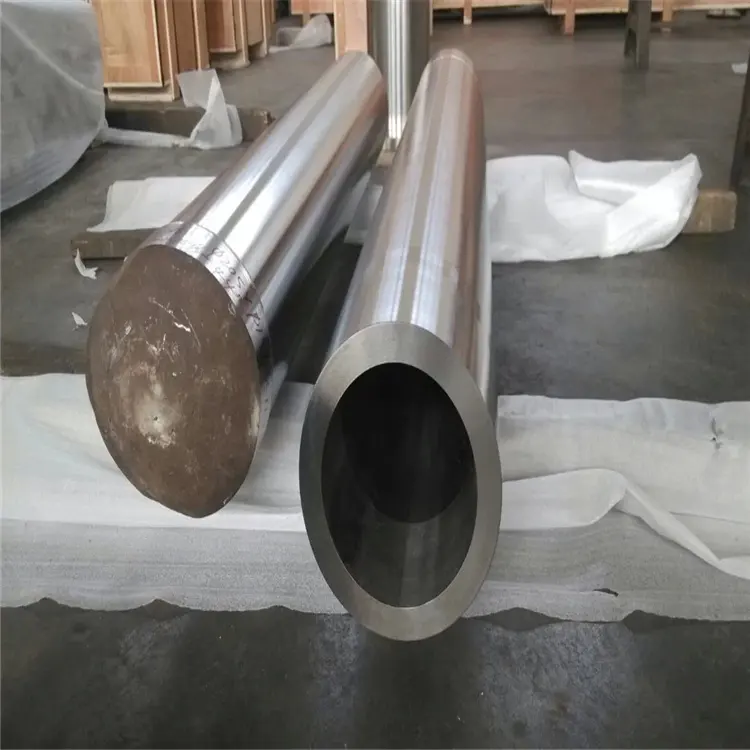
When selecting a supplier for nickel-based alloys, it's crucial to look beyond basic availability and dive into factors like material consistency, technical support, and global logistics. Top suppliers often differentiate themselves by offering tailored solutions for industries such as aerospace or energy, with certifications like AS9100 or ISO 9001 ensuring quality control. By comparing suppliers on these grounds, businesses can align their procurement with specific project needs rather than settling for generic options, leading to enhanced durability and cost-efficiency in high-stakes applications.
Another key aspect is the supplier's research and development capabilities, which directly impact innovation in alloy performance. Leading suppliers invest in advanced metallurgy to produce alloys with superior resistance to corrosion and extreme temperatures, enabling clients to push engineering boundaries. This proactive approach not only future-proofs supply chains but also fosters long-term partnerships, turning suppliers into strategic allies rather than mere vendors in the competitive global market.
Supply chain resilience should not be overlooked, especially with geopolitical or economic disruptions. A robust supplier comparison evaluates backup plans, such as diversified sourcing locations or just-in-time inventory systems, to mitigate risks. Opting for suppliers with transparent, agile networks can prevent delays and maintain production continuity, ensuring that nickel-based alloys meet stringent demands without compromise, whether for medical devices or industrial turbines.
Quality Assurance Protocols in Inconel Production
Stringent quality assurance protocols are integral to Inconel production, ensuring that each alloy meets rigorous standards for performance in extreme environments. From raw material sourcing to final product inspection, every step undergoes meticulous scrutiny. For instance, chemical composition is verified through advanced spectroscopy techniques, while mechanical properties are tested under simulated high-temperature and corrosive conditions to predict real-world durability. This systematic approach not only minimizes defects but also builds trust with industries such as aerospace and chemical processing, where material failures could have catastrophic consequences.
Beyond standard testing, Inconel manufacturers often implement customized protocols tailored to specific applications. These might include non-destructive evaluation methods like ultrasonic testing or X-ray diffraction to detect internal flaws without compromising the material. Additionally, traceability systems are employed, allowing each batch to be tracked from production to end-use, facilitating quick recalls or adjustments if anomalies arise. Such bespoke measures differentiate top-tier producers by offering enhanced reliability and compliance with niche industry regulations.
Continuous improvement is a core aspect of these protocols, with many facilities leveraging real-time data analytics and feedback loops. By analyzing production trends and failure modes, adjustments can be made on the fly to optimize processes and prevent recurring issues. This dynamic approach ensures that Inconel alloys not only meet current standards but also evolve to address emerging challenges in sectors like energy and healthcare, where innovation drives demand for ever-more resilient materials.
Custom Alloy Solutions for Demanding Applications
When you're tackling a project that pushes materials to their limits, off-the-shelf alloys often fall short. That's where custom alloy solutions come into play—precisely engineered to handle extreme heat, corrosive environments, or unprecedented mechanical stress. Think of aerospace components that must withstand re-entry temperatures or medical implants requiring perfect biocompatibility. These aren't just minor tweaks; they involve deep metallurgical expertise to balance strength, ductility, and resistance, ensuring every part performs flawlessly under pressure.
Developing a custom alloy isn't about guessing—it starts with a detailed analysis of your specific challenges. Engineers collaborate closely with your team to understand the operational demands, from thermal cycles in power generation to wear resistance in heavy machinery. Through advanced simulation and iterative testing, they refine compositions, sometimes incorporating rare elements or novel processing techniques. This tailored approach eliminates compromises, delivering materials that not only meet but exceed expectations, often unlocking new design possibilities previously deemed unfeasible.
What truly sets these solutions apart is their adaptability. Whether it's creating a lightweight alloy for electric vehicle batteries to enhance range or formulating one for deep-sea equipment to resist crushing pressures, the focus remains on real-world performance. By leveraging cutting-edge research and proprietary methods, providers can rapidly prototype and scale, ensuring timely delivery without sacrificing quality. In essence, custom alloys transform constraints into opportunities, empowering industries to innovate boldly where standard options simply can't compete.
Sustainability Practices Among Inconel Manufacturers
In the high-stakes world of specialty alloy production, Inconel manufacturers are increasingly weaving sustainability into their core operations, recognizing that environmental stewardship and innovation can go hand-in-hand. Many companies have adopted closed-loop recycling systems, where scrap Inconel from aerospace or industrial applications is meticulously collected and reprocessed into new material, drastically reducing raw nickel and chromium ore extraction. This isn't just about compliance; it's a strategic shift towards resource efficiency that can lower costs and bolster supply chain resilience in a volatile market. By integrating these practices, manufacturers are not only minimizing waste but also positioning themselves as leaders in the circular economy, appealing to clients who prioritize green credentials alongside material performance.
Beyond recycling, leading Inconel producers are rethinking energy consumption in their manufacturing processes, which are notoriously energy-intensive due to high-temperature forging and heat treatments. Some have invested in renewable energy sources like solar or wind power to offset carbon emissions, while others are optimizing furnace designs to capture and reuse waste heat. For instance, a few forward-thinking firms have implemented AI-driven monitoring systems to fine-tune energy use in real-time, slashing unnecessary power draws without compromising the alloy's critical properties. These efforts highlight a nuanced approach: sustainability isn't an afterthought but an integral part of engineering excellence, ensuring that Inconel's durability in extreme environments starts with eco-friendly production methods.
Moreover, sustainability extends to product lifecycle management, with manufacturers focusing on the end-use impact of Inconel components. By developing alloys with extended service lives or enhanced recyclability, they reduce the frequency of replacements and associated carbon footprints in sectors like power generation and chemical processing. Collaborations with end-users to promote responsible disposal and reuse further underscore a holistic commitment, blending technical prowess with environmental accountability. This multifaceted strategy sets the best manufacturers apart, proving that in the alloy industry, true sustainability means innovating at every step—from mine to metal to machine.
Future Trends in Superalloy Sourcing and Development
As industries push the boundaries of performance in extreme environments, superalloy sourcing is evolving rapidly. The shift towards sustainable supply chains is becoming more pronounced, with a growing emphasis on recycled materials and ethical mining practices. This transition isn't just about being eco-friendly; it's a strategic move to secure long-term availability and reduce geopolitical risks.
Innovation in alloy development is no longer solely focused on tweaking existing compositions. Instead, researchers are leveraging advanced computational tools like machine learning and AI to predict new alloy properties before they're even synthesized. This approach dramatically accelerates the discovery of materials with unprecedented heat resistance and durability, potentially cutting development cycles by years and opening doors to applications in next-generation aerospace and energy sectors.
The trend toward customization and on-demand production is reshaping how superalloys are deployed. Additive manufacturing techniques, such as 3D printing, allow for the creation of complex, lightweight components that were previously impossible to fabricate. This not only optimizes material usage but also enables tailored solutions for specific industrial challenges, making superalloys more adaptable and cost-effective in diverse applications from turbines to medical devices.
FAQ
Inconel superalloys are widely used in extreme environments, such as jet engines, gas turbines, and chemical processing equipment, where high temperature and corrosion resistance are crucial.
While Inconel alloys are known for their excellent oxidation resistance and strength at high temperatures, other nickel-based superalloys might offer better creep resistance or specialized properties for specific applications.
Key factors include the manufacturer's expertise in metallurgy, quality control certifications like AS9100 or ISO, and their ability to provide custom alloys or forms tailored to your project needs.
Inconel alloys can be challenging to machine and weld due to their hardness and tendency to work-harden; it often requires specialized techniques and tools to achieve optimal results.
By enabling longer-lasting components in harsh conditions, Inconel alloys reduce maintenance and replacement frequency, which can lower overall waste and energy consumption over time.
Nickel price volatility can affect material costs, so it's wise to work with manufacturers that offer stable pricing strategies or alternative material suggestions to mitigate budget risks.
Recent developments include improved additive manufacturing techniques for Inconel, allowing for complex geometries and reduced material waste in aerospace and industrial applications.
Conclusion
The sourcing of Inconel and other high-performance nickel-based superalloys involves a strategic blend of innovative manufacturing and global supplier collaboration. Manufacturers are adopting advanced techniques like additive manufacturing and precision casting to enhance alloy properties, while quality assurance protocols ensure reliability in critical applications such as aerospace and energy. Custom alloy solutions address specific demands, ranging from corrosion resistance to high-temperature stability, allowing tailored performance in diverse sectors. This proactive approach not only meets immediate needs but also positions industry for future trends in superalloy development.
Sustainability practices are becoming integral, with companies focusing on reducing environmental impact through recycling and energy-efficient processes. Comparing global suppliers helps identify leaders in cost-effectiveness and technological capability, fostering a competitive market that drives innovation. As trends evolve toward lighter, more durable materials, sourcing strategies must prioritize both quality and eco-friendliness to stay ahead. By integrating these aspects, buyers can navigate the complexities of superalloy procurement, ensuring optimal performance and long-term value in demanding industrial environments.
Contact Us
Contact Person: Zoe Liang
Email: [email protected]
Tel/WhatsApp: 86 189 2128 6299
Website: https://www.baowuchina.com