

Industrial Casters Wholesale: Best Solutions for Heavy-Duty Applications
2026-01-26
When it comes to heavy-duty applications in industrial settings, having the right casters isn't just a convenience—it's a necessity for efficiency and safety. At CMCL, we understand that your operations demand robust solutions that can withstand rigorous use and challenging environments. In this blog, we dive into why industrial casters are pivotal for wholesale needs, highlighting how our products offer superior durability and performance. Whether you're navigating warehouses, manufacturing floors, or outdoor sites, discover how CMCL's innovations provide the reliability you need to move heavy loads with ease. Let's explore the best practices and cutting-edge options that set us apart in the industry.
Innovative Heavy-Duty Caster Designs for Industrial Efficiency
Casters might seem mundane, but their design directly impacts operational speed and safety in warehouses and manufacturing plants. Advanced heavy-duty models now incorporate precision-engineered bearings and robust materials like forged steel or reinforced polymers, enabling smoother movement under extreme loads. This reduces the physical strain on workers while minimizing downtime from equipment failure—turning a simple component into a key efficiency driver.
Some of the most groundbreaking designs focus on adaptability, with swivel-lock mechanisms and modular frames that can be customized for specific floor types or load distributions. For instance, caster wheels with pneumatic or polyurethane options provide varying levels of shock absorption and noise reduction, tailored to different industrial environments. This flexibility ensures that equipment rolls effortlessly, whether on concrete floors or uneven surfaces, boosting overall workflow without constant adjustments.
Innovation extends to smart features as well, integrating sensors that monitor wear and load capacity in real-time. By alerting maintenance teams before issues arise, these caster designs prevent unexpected halts and extend product lifecycles. Such proactive maintenance not only cuts costs but also supports a safer, more predictable industrial setting, where every movement contributes to long-term productivity gains.
Enhancing Workplace Safety with Robust Casters in Demanding Environments
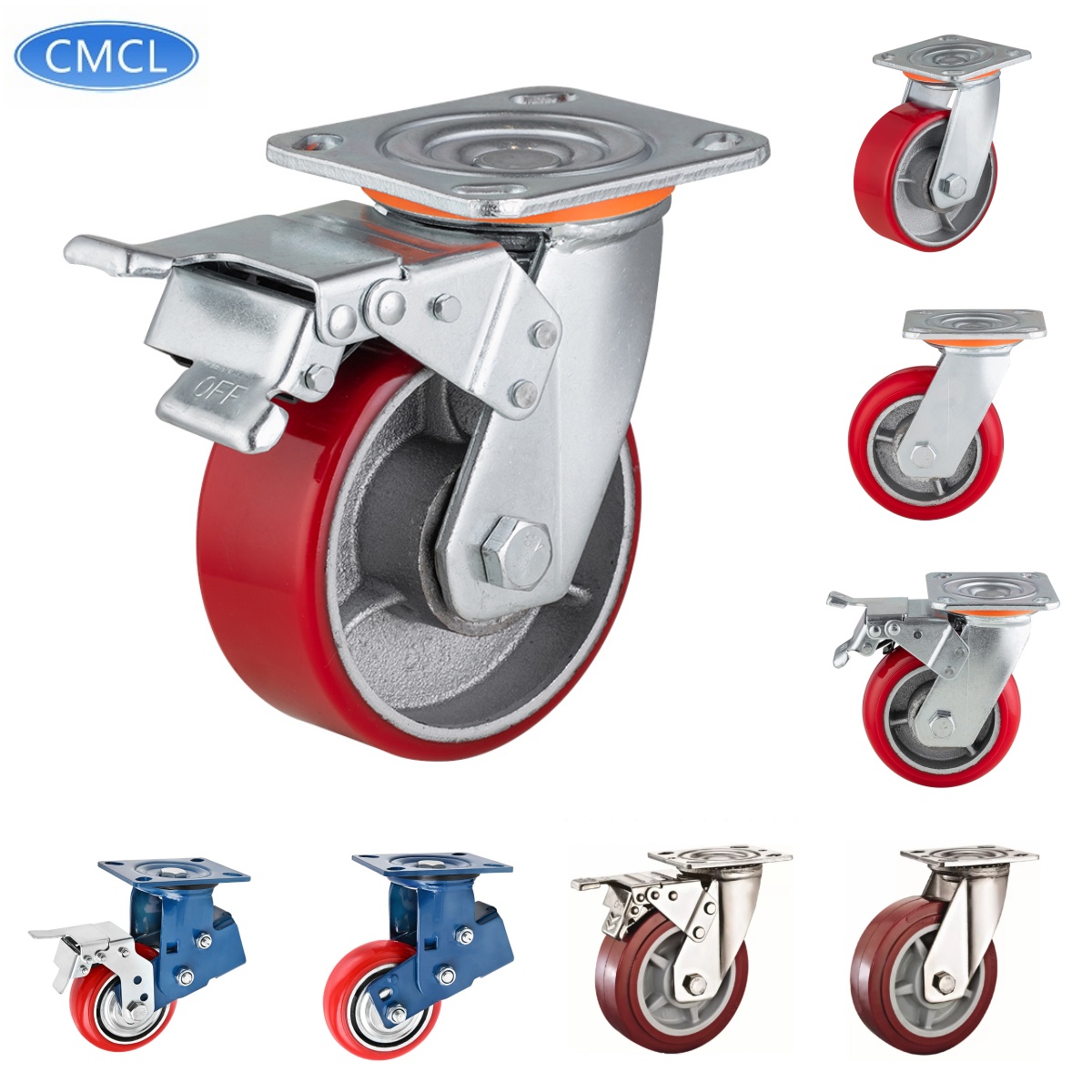
In industries where heavy loads and high-pressure settings are the norm, reliable casters can be the unsung heroes of safety. Picture a busy warehouse where forklifts and workers navigate narrow aisles, or a manufacturing plant with constant movement of machinery. Here, robust casters with reinforced materials like steel or polyurethane are essential, as they prevent wheel failures that could lead to dropped loads or sudden equipment shifts, reducing the risk of accidents and injuries on the floor.
Beyond just durability, the design of these casters plays a crucial role in maintaining balance and control. In demanding environments, such as those with uneven surfaces or exposure to chemicals, specialized options like swivel locks and shock-absorbent features ensure stable maneuvering. This attention to detail helps workers move heavy items smoothly, minimizing strain and preventing dangerous slips or falls, which is key for long-term workplace health.
Moreover, integrating robust casters into daily operations fosters a proactive safety culture. By reducing downtime from equipment issues and enhancing mobility, they contribute to a more efficient and secure workflow. This not only boosts productivity but also demonstrates a commitment to employee well-being, making it easier to meet safety standards and adapt to evolving industry demands without compromising on protection.
Customizable Caster Solutions Tailored to Specific Industrial Needs
When you're dealing with heavy-duty machinery or specialized equipment, off-the-shelf casters just don't cut it. That's where our custom solutions come in—we start by diving deep into your specific requirements, whether you're in manufacturing, logistics, or any niche industry. We don't just sell casters; we engineer them based on factors like load capacity, floor surfaces, and environmental challenges, ensuring they handle the unique demands of your operation without a hitch.
What sets us apart is our hands-on collaboration throughout the process. Unlike competitors who offer limited tweaks, we involve you from design to testing, using advanced materials and precision manufacturing to create casters that fit like a glove. For example, in a recent project for a chemical processing plant, we developed corrosion-resistant models that withstand harsh conditions, reducing downtime significantly and giving our clients a tangible edge over conventional options.
Ultimately, our approach isn't just about solving a problem—it's about anticipating future needs. By tailoring each solution, we ensure long-term reliability and efficiency, helping your business move smoother and faster. It's why industries from aerospace to healthcare trust us to deliver casters that aren't just functional but game-changers in their daily workflows.
Maximizing Durability and Load Capacity in Industrial Caster Applications
When selecting casters for industrial settings, durability isn't just a feature—it's the backbone of operational efficiency. To truly maximize longevity, focus on materials like forged steel or high-grade polyurethane, which resist wear from rough surfaces and harsh chemicals. Pair this with sealed precision bearings that keep dirt and moisture at bay, ensuring smooth rolling even in demanding environments like manufacturing plants or warehouses. It's not about just picking the strongest option, but choosing casters engineered to withstand the specific stresses of your application, reducing downtime and maintenance costs significantly over time.
Load capacity often gets overlooked until a failure occurs, but proactive design can prevent this. Start by calculating the total weight each caster will bear, factoring in dynamic loads from starts, stops, and turns. Innovations in wheel construction, such as reinforced hubs and shock-absorbing cores, distribute weight evenly to prevent premature failure. Don't forget to consider the floor type—adjusting wheel hardness or adding tread patterns can enhance grip and stability, ensuring your equipment handles heavy loads safely without compromising on maneuverability.
Beyond specs, integrating durability and load capacity involves a holistic approach. Regular inspections for signs of wear, like uneven tread or bearing noise, can catch issues early. Opt for casters with swivel locks or brakes to control movement under heavy loads, reducing strain on components. By balancing robust materials with smart maintenance practices, you create a system that not only carries more but lasts longer, turning industrial casters from mere accessories into reliable partners in productivity.
Streamlining Operations with Advanced Mobility for Heavy Equipment
When you think about heavy equipment, it's easy to picture these machines as static giants—powerful but confined to their job sites. But what if we could transform them into nimble assets that move seamlessly across your operations? Advanced mobility isn't just about adding wheels or tracks; it's about integrating smart technologies that allow equipment to communicate, adapt, and optimize on the go. From GPS-enabled navigation that plots the most efficient routes to telematics systems that monitor performance in real-time, these innovations cut down idle time and fuel waste, turning every movement into a strategic advantage rather than a logistical headache.
Consider this: a fleet of excavators that automatically adjusts their schedules based on weather forecasts or site conditions, reducing delays by up to 30%. That's the kind of impact advanced mobility brings. It's not just about moving equipment faster—it's about making every trip smarter. With IoT sensors and cloud-based platforms, operators can track equipment health, predict maintenance needs, and reroute assets without manual intervention. This proactive approach minimizes downtime and extends the lifespan of your machinery, ensuring your projects stay on track and within budget while keeping safety at the forefront.
Moreover, advanced mobility opens doors to flexibility that traditional setups simply can't match. Imagine deploying a crane from one site to another with real-time data on traffic and terrain, or using autonomous features to handle repetitive tasks, freeing up skilled workers for complex maneuvers. This adaptability is crucial in today's fast-paced construction and mining sectors, where every minute counts. By embracing these technologies, companies aren't just streamlining operations—they're future-proofing their workflows, creating a dynamic environment where heavy equipment works smarter, not harder, and drives tangible results from the ground up.
Sustainable and Cost-Effective Casters for Long-Term Industrial Use
In the demanding landscape of industrial operations, the right casters aren't just accessories—they're foundational to maintaining productivity and minimizing costly disruptions. Sustainable casters are engineered from robust materials like forged steel or polyurethane, designed to endure heavy loads and harsh environments without premature wear. By resisting corrosion, abrasion, and frequent impacts, these casters significantly extend equipment lifespan, reducing the need for frequent replacements and the associated waste. This durability not only supports environmental goals by cutting down on material consumption and landfill contributions but also translates into tangible savings over years of use.
Cost-effectiveness in industrial casters goes beyond the initial purchase price, focusing instead on total ownership costs. High-quality casters often feature precision ball bearings, effective braking systems, and ergonomic designs that enhance maneuverability, thereby lowering labor strain and energy consumption during material handling. For instance, casters with low rolling resistance can make moving heavy loads easier, potentially reducing fuel usage in motorized applications or minimizing worker fatigue. When combined with minimal maintenance requirements, these features help slash operational expenses, making them a smart investment that pays off through improved efficiency and reduced downtime.
To truly stand out, innovative caster solutions integrate sustainability with advanced performance features. Some models now incorporate recycled materials or eco-friendly coatings that meet stringent industry standards without compromising strength. By leveraging technologies like swivel locks for enhanced stability or noise-dampening properties for quieter operations, these casters address specific pain points in facilities, from warehouses to manufacturing plants. This holistic approach ensures that businesses not only save money in the long run but also contribute to a greener footprint, aligning with modern corporate responsibility initiatives while boosting overall operational resilience.
FAQ
Heavy-duty applications typically benefit from casters made with forged steel or polyurethane wheels, offering durability and high load capacities up to several thousand pounds.
Consider factors like load capacity, floor type, and mobility needs; for example, soft-tread wheels work well on delicate floors, while hard-tread options suit rough surfaces.
Yes, specially designed casters with heat-resistant materials like high-temperature polyurethane or metal alloys can withstand temperatures from -40°F to over 500°F.
Regularly clean wheels and bearings, lubricate moving parts, and inspect for wear or damage to prevent breakdowns and ensure smooth operation.
Some manufacturers offer casters with recycled materials or biodegradable components, reducing environmental impact without sacrificing performance.
Swivel casters provide 360-degree maneuverability for tight spaces, while rigid casters offer stability and straight-line movement, often used in combination for optimal control.
Key features include anti-static properties, locking mechanisms to prevent unwanted movement, and noise-reduction designs for quieter operation in busy areas.
Yes, many wholesalers offer customization options such as specialized wheel materials, bolt patterns, and finishes to meet unique industry demands.
Conclusion
Industrial casters wholesale offers the best solutions for heavy-duty applications by combining innovative designs with practical efficiency. These advanced caster systems enhance workplace safety in demanding environments through robust construction and customizable features tailored to specific industrial needs. By maximizing durability and load capacity, they ensure reliable performance under extreme conditions while streamlining operations with superior mobility for heavy equipment. This approach not only improves productivity but also fosters a safer and more efficient industrial setting.
Moreover, these wholesale solutions prioritize sustainable and cost-effective designs for long-term industrial use. By integrating customizable caster options, businesses can address unique operational challenges without compromising on quality or safety. The focus on durability and load capacity minimizes downtime and maintenance costs, while advanced mobility features optimize workflow efficiency. Ultimately, wholesale industrial casters provide a comprehensive, tailored approach that supports heavy-duty applications with reliability, safety, and economic benefits, making them an indispensable component in modern industrial operations.
Contact Us
Contact Person: Ruby
Email: [email protected]
Tel/WhatsApp: +86 13360379367
Website: https://www.cmcl-casters.com