

Liquid Dust Control Agent – The Smart Way to Control Dust
2026-07-22
Dust suppression has never been smarter. With MST's liquid dust control agent, you're not just spraying water—you're deploying a targeted solution that locks down particles at the source. Whether it's a haul road, construction site, or industrial yard, this advanced formula cuts through the cloud of traditional methods. Ready to see how a few droplets can clear the air and boost efficiency?
Why Smart Sites Choose Liquid Dust Control
When dust becomes a constant battle, smart site managers look beyond temporary fixes. Liquid dust control doesn't just weigh down particles—it binds them at the source, turning loose soil into a stable surface that stays put even under heavy traffic. This means less water waste than repeated spraying, and far fewer complaints from neighbors or regulators.
What really sets it apart is how it adapts to the site itself. Whether it's a haul road, a stockpile, or a demolition zone, the right liquid agent treats the specific material, not just the symptom. Crews aren't standing around waiting for water trucks to make another pass—they're getting actual work done, breathing cleaner air in the process.
And it's not about one-and-done application. The best programs blend proactive planning with real-time adjustments, cutting downtime and maintenance costs in ways that dry methods simply can't match. It's a practical choice that quietly proves itself every shift, making the site safer, cleaner, and more efficient without anyone needing to make a big deal about it.
The Mechanism That Stops Dust Before It Spreads
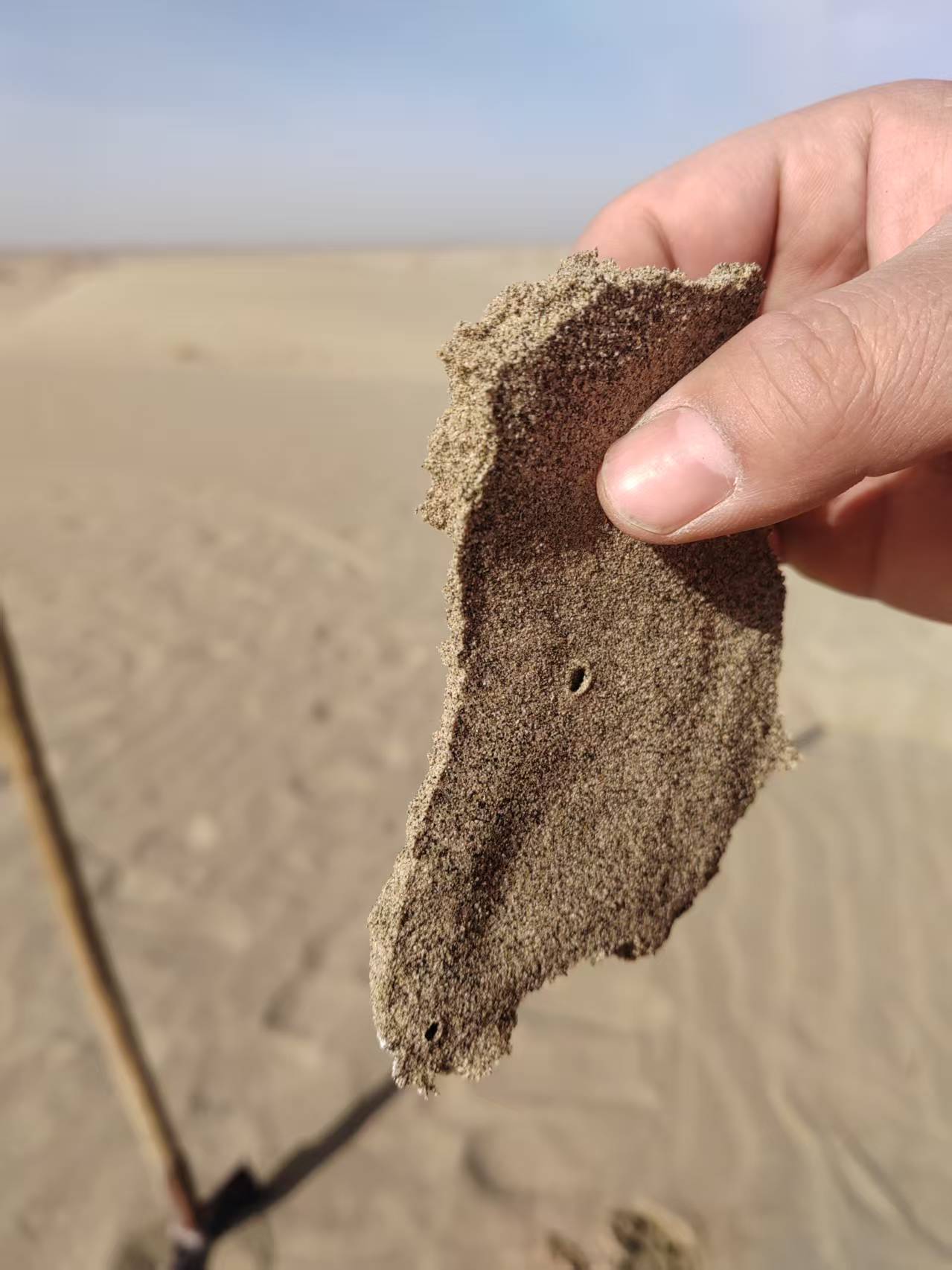
Dust doesn’t just settle—it floats, swirls, and fills every corner the moment it’s disturbed. The real trick to stopping it lies in catching particles while they’re still suspended, before they get a chance to drift into hard-to-reach places. High-velocity air currents, carefully angled baffles, and static-charged surfaces work together in a silent choreography. Instead of waiting for dust to accumulate and then cleaning it up, the system disrupts its natural path, nudging it into collection zones where it can be quietly removed without anyone even noticing the process at work.
One subtle yet powerful force at play is ionization. By charging the air, particles clump together, becoming heavier than the surrounding atmosphere and dropping out of suspension. This isn’t the loud, buzzing imitation of an air purifier; it’s a low-key shift in the room’s electrical balance. Combined with negative pressure zones near entry points, dust-laden air is gently pulled away from living spaces. The design borrows from cleanroom technology but scales it down for everyday environments, turning a passive space into an active defender against invisible debris.
Laminar flow also has a role that’s often overlooked. By keeping layers of air moving in smooth, parallel paths, the mechanism avoids the turbulence that launches settled dust back into the air. Think of it as an unseen curtain—steady, continuous, and just strong enough to guide particles without creating a draft. The result is a room that stays cleaner longer without constant human intervention, because the air itself performs the tidying.
Meeting Regulations Without the Headache
Navigating the maze of meeting rules doesn't have to feel like a chore. The key is to strip away unnecessary formalities while preserving the clarity that keeps discussions productive. Instead of rigid scripts, think of guidelines that flex with your team's rhythm—whether it's a quick stand-up or a deep-dive strategy session. When the focus stays on outcomes rather than procedure, compliance becomes a natural byproduct of good conversation.
A practical approach starts with one simple shift: make the purpose of each gathering the star. If everyone knows why they're in the room, the structure practically builds itself. Ditch the one-size-fits-all agenda templates and let the meeting's goal dictate the flow. For updates, a round-robin works; for problem-solving, a loose framework with assigned times for brainstorming and decision-making keeps things on track without feeling oppressive.
Finally, lean on tools that fade into the background. A shared digital space where notes, action items, and decisions live organically reduces the need for heavy-handed enforcement. When the record writes itself as you go, the regulations that once felt like hurdles become invisible guardrails—keeping everyone aligned while the real work takes center stage.
Spend Less, Control More: The Financial Upside
Cutting back on expenses isn't about depriving yourself—it's about redirecting money where it actually matters. When you tighten spending in one area, you free up cash that can be used to knock down debt faster, build a real emergency fund, or invest in things that genuinely improve your life. The shift feels subtle at first, but over a few months, that extra breathing room in your bank account starts to feel like control you never knew you were missing.
That control spills over into bigger financial decisions. Instead of reacting to bills and shortages, you start dictating where your money goes. You'll find yourself saying "no" to impulse buys without a second thought, because the alternative—seeing your savings grow or debt shrink—is far more satisfying. It's not about willpower; it's about clarity. When you spend less on autopilot, you take the driver's seat, and suddenly your income feels like a tool, not a trickle.
The upside compounds. Less spending today means less financial noise tomorrow. You stop worrying about whether you can afford an unexpected car repair because you've already built that cushion. You begin to see raises and bonuses as true gains, not just opportunities to catch up. In a world that constantly pushes consumption, choosing to spend less is one of the most quietly powerful moves you can make—not to live a smaller life, but to own the one you already have.
From Mines to Highways: Where It Works Best
In the harsh, unrelenting environment of mining operations, where heavy machinery and abrasive materials are a constant, durability isn’t just a preference—it’s a necessity. Here, traditional solutions often buckle under pressure, but the right application can turn a maintenance nightmare into a smooth-running operation. The rugged terrain and relentless wear-and-tear push equipment and infrastructure to their limits, making it the ultimate proving ground for any high-performance material.
Move from the depths of the earth to the open road, and the demands shift but don’t diminish. Highways, overpasses, and bridges face a barrage of traffic, temperature swings, and de-icing chemicals. In these settings, failure isn’t an option, and resilience becomes the name of the game. Whether it’s resisting corrosion or standing up to constant vibration, the same qualities that thrive in a mine pit are exactly what keep motorists safe and maintenance crews at bay.
Is It Time to Rethink Your Dust Strategy?
Dust isn't just a nuisance—it's a silent disruptor that eats into productivity and profits. Yet, most strategies still lean on outdated assumptions: grab a filter, schedule a sweep, call it done. The hidden costs, from equipment wear to airborne health risks, often go unchallenged. When did you last question whether your current approach actually matches the reality of your environment?
The problem isn't necessarily the effort, but the mismatch between dynamic dust sources and static protocols. A warehouse handling powdery substances behaves differently in summer humidity than in dry winter air. A fabrication shop's dust load shifts with production cycles. Relying on fixed intervals or generic solutions can leave vulnerable gaps or waste resources on areas that don't need attention.
Rethinking your strategy means moving beyond checklists and embracing a responsive, data-informed mindset. Simple particle counters or real-time monitoring can highlight where dust accumulates before you see it. By aligning cleaning frequency, filtration technology, and operator training with actual conditions, you can cut downtime, extend equipment life, and protect your people—without overspending. The time to question is now.
FAQ
It's a specially formulated solution designed to bind fine particles together on surfaces like roads, construction sites, or stockpiles, preventing them from becoming airborne.
Unlike just watering down dust, this agent works at a chemical level to agglomerate particles and often provides long-lasting control—sometimes effective for weeks or months after a single application.
It's highly versatile and used in mining, unpaved roads, demolition projects, agricultural operations, and anywhere dust from loose materials poses a safety or environmental concern.
Most modern formulas are non-toxic, biodegradable, and won't harm surrounding vegetation or water sources. Always check the product's SDS, but they're generally safer than letting dust contaminate the air.
That depends on traffic, rainfall, and material type, but many high-quality agents last from several weeks to a few months, drastically reducing the need for repeated treatments.
It's engineered to cure and bond even with some moisture, but the best results come when applied to a dry surface so it can penetrate and form a durable crust without runoff.
Typically very little—occasional light grading or reapplication in high-wear areas might be needed, but it's far less demanding than daily water trucks.
Yes, many products are specifically designed for high-traffic haul roads and can withstand continuous use by heavy machinery without losing effectiveness, thanks to their binding strength.
Conclusion
Switching to a liquid dust control agent transforms how sites manage airborne particles, moving beyond temporary water sprays to a proactive, long-lasting solution. Smart operators adopt it because it tackles dust at the source—binding fine particles together before they can become a hazard. Unlike water, which evaporates quickly and needs constant reapplication, these agents create a durable crust or cohesive layer that withstands traffic and wind. This not only keeps the air cleaner and workers safer but also drastically cuts water usage and labor, making it the obvious choice for modern, efficiency-driven projects.
The financial logic is equally compelling: while upfront costs might seem higher, the reduction in water trucks, maintenance, and regulatory fines quickly tips the scales. Roads, mines, and construction zones all benefit from tailored formulations that meet strict environmental standards without complex paperwork. By shifting from reactive watering to strategic, science-backed suppression, sites gain consistent compliance, lower total expenditure, and a reputation for responsible operation. If your current approach still relies on old-fashioned methods, it’s worth considering how a liquid agent could streamline your dust control and deliver measurable results across the board.
Contact Us
Contact Person: Helen
Email: [email protected]
Tel/WhatsApp: 86 18630661160
Website: https://www.roadmilestone.com/