

Nickel Alloy Steel: Exploring Its Versatile Uses and Benefits in Modern Engineering
2026-04-09
In the ever-evolving landscape of modern engineering, materials like nickel alloy steel are at the forefront of innovation, driving advancements across industries from aerospace to energy. This blog delves into how these alloys enhance durability, performance, and versatility in critical applications. To explore high-quality nickel alloy steel solutions, learn more about Jiangsu Baowu New Materials, a leader in material technology. Stay tuned as we uncover the practical benefits and transformative potential of this essential material.
The Unique Composition of Nickel Alloy Steel
Nickel alloy steel stands out in the metallurgical world for its distinctive makeup, which combines nickel with iron and other elements to create materials that excel in demanding environments. This blend isn't just about adding a single metal; it involves precise ratios and additional components like chromium or molybdenum, tailored to enhance properties such as corrosion resistance and high-temperature strength. By tweaking the composition, manufacturers can craft alloys that outperform standard steel in applications ranging from aerospace to chemical processing.
What sets these alloys apart is their ability to maintain structural integrity under extreme stress and heat, thanks to nickel's role in stabilizing the microstructure. Unlike some alternatives, nickel alloy steels don't just resist degradation—they actively adapt, forming protective oxide layers that shield against rust and wear. This makes them ideal for components in harsh settings, like offshore oil rigs or industrial furnaces, where failure isn't an option.
Beyond durability, the composition allows for versatile customization. Depending on the intended use, the nickel content can be adjusted alongside other alloys to fine-tune characteristics like ductility or magnetic properties. This flexibility ensures that each batch can be optimized for specific challenges, offering a bespoke solution rather than a one-size-fits-all approach. In essence, the uniqueness lies in how these materials are engineered to meet precise needs, making them indispensable in modern engineering.
Applications in High-Temperature Environments
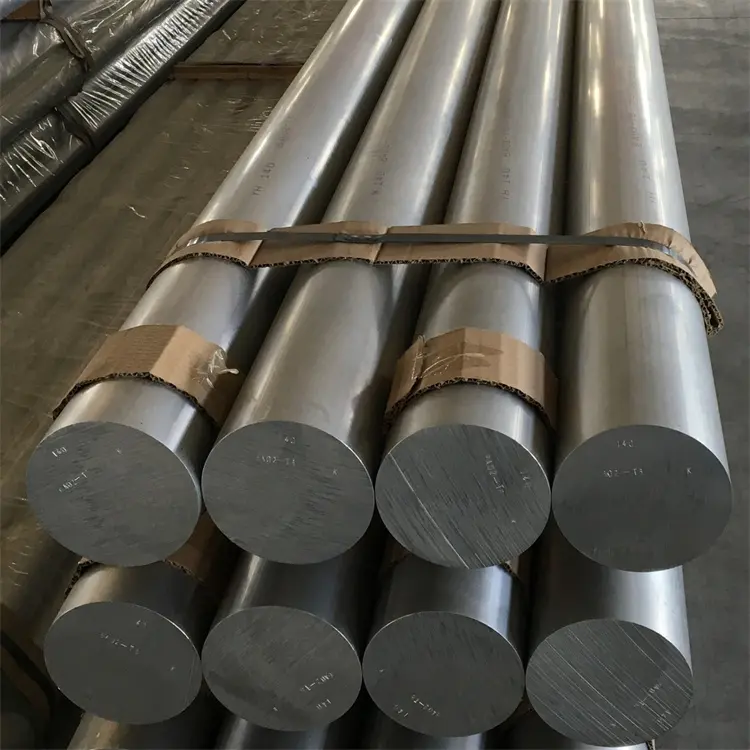
In industries where heat is a constant challenge, materials and devices must withstand extreme conditions that can exceed 1,000°C. For instance, in aerospace, components like turbine blades and heat shields rely on advanced alloys and ceramics that resist thermal degradation, ensuring reliable performance during re-entry or supersonic flight. These applications often push the boundaries of material science, driving innovation in thermal management and durability.
Beyond aerospace, high-temperature environments are crucial in energy sectors, such as in nuclear reactors or solar thermal plants. Here, materials must not only endure intense heat but also maintain structural integrity under radiation or corrosive atmospheres. This has led to the development of specialized coatings and composites that mitigate wear and improve efficiency, highlighting how these demanding settings fuel technological advancements in sustainable energy solutions.
Additionally, in manufacturing processes like metal casting or glass production, high-temperature applications enable precise control over material properties, allowing for stronger, more durable end-products. By leveraging thermostable technologies, industries can reduce waste and enhance safety, demonstrating that mastering heat isn't just about survival—it's a key driver of progress and economic growth.
Corrosion Resistance and Durability Benefits
The remarkable corrosion resistance of our materials isn't just a technical spec—it's a game-changer for longevity and reliability. Imagine structures that shrug off harsh environments, from coastal salt spray to industrial pollutants, staying strong year after year. This inherent toughness means fewer repairs, less downtime, and a significant reduction in lifecycle costs, making it a smart investment for any project.
Beyond mere protection, our advanced formulations actively combat wear and degradation, ensuring components maintain their integrity under stress. Unlike generic solutions that might promise durability, our approach integrates tailored resistance mechanisms, like passive layers or alloy compositions, specifically engineered to thwart common failure modes. This translates to equipment that performs consistently, even in demanding conditions, without the constant need for replacements or overhauls.
Ultimately, these benefits weave into a broader narrative of sustainability and trust. By minimizing material waste and extending service life, our corrosion-resistant options support eco-friendly initiatives while delivering peace of mind. Users can rely on products that stand the test of time, fostering confidence in applications ranging from infrastructure to consumer goods, all backed by real-world data and proven performance.
Versatile Uses Across Modern Industries
From manufacturing floors to creative studios, these applications are reshaping operational landscapes in unexpected ways. In the automotive sector, for instance, they streamline supply chain logistics through real-time tracking systems, while healthcare providers leverage them to personalize patient care plans with data-driven insights. The adaptability spans beyond traditional sectors, empowering startups to pivot quickly in dynamic markets and established firms to innovate without overhauling legacy infrastructure.
Consider how retail giants are integrating these solutions to enhance customer experiences, using predictive analytics to tailor product recommendations and optimize inventory management. In agriculture, precision tools are boosting crop yields through sensor-based monitoring, and the energy industry is adopting them for smart grid management to reduce waste. This cross-industry versatility isn't just about efficiency; it fosters collaboration, driving new partnerships that merge tech with human expertise to solve complex challenges.
Even in less obvious fields like education and entertainment, these innovations are making waves. Schools are utilizing immersive platforms for interactive learning, and media companies are creating engaging content with AI-assisted tools. By embedding flexibility into core processes, modern industries are not only surviving disruptions but thriving, proving that versatility is key to sustained relevance in an ever-evolving global economy.
Enhancing Performance in Aerospace and Automotive Sectors
In the aerospace and automotive industries, pushing performance boundaries isn't just an option—it's a necessity to stay ahead. Engineers and designers are constantly exploring novel materials like advanced composites and titanium alloys, which slash weight while boosting strength. These innovations allow aircraft to soar higher on less fuel and enable cars to accelerate faster with improved handling, transforming how we move through air and on roads.
Beyond materials, smart integration of electronics and software is redefining what high performance means. In aerospace, fly-by-wire systems and real-time diagnostic tools enhance safety and efficiency, minimizing human error. Meanwhile, automotive sectors leverage adaptive suspension and predictive analytics to tailor driving experiences dynamically, ensuring every journey is smoother and more responsive to changing conditions.
Sustainability also plays a crucial role, with research into hybrid propulsion and aerodynamic designs reducing emissions without sacrificing power. This dual focus on cutting-edge tech and eco-friendly solutions sets new benchmarks, making performance enhancements not just about speed or endurance, but about smarter, greener advancement in these high-stakes fields.
Future Trends and Innovations in Nickel Alloy Technology
The landscape of nickel alloy technology is shifting towards sustainability and efficiency, driven by global demands in aerospace and energy sectors. Innovations focus on enhancing corrosion resistance and high-temperature performance, with new alloys incorporating rare earth elements to withstand extreme environments. Research into additive manufacturing is unlocking complex geometries previously impossible, enabling lighter components without sacrificing strength. These advancements promise to reduce material waste and extend product lifespans, positioning nickel alloys as key players in next-generation engineering.
Another trend is the integration of smart materials and digital twins, where sensors embedded in nickel alloys allow real-time monitoring of structural health. This enables predictive maintenance in industries like power generation and chemical processing, minimizing downtime and improving safety. Coupled with AI-driven design, these innovations optimize alloy compositions for specific applications, from deep-sea exploration to space missions, pushing the boundaries of what's achievable.
Looking ahead, sustainability is reshaping production methods, with a push towards recycling and lower-carbon processes. Innovations in alloy development aim to reduce reliance on scarce resources while maintaining performance, such as through novel hybrid materials. This evolution ensures nickel alloys remain vital in a greener future, supporting everything from renewable energy infrastructure to advanced medical devices.
FAQ
Nickel alloy steel's combination of high strength, excellent oxidation resistance, and stability at elevated temperatures allows it to withstand extreme heat without significant degradation, which is crucial in industries like aerospace and power generation.
By forming a protective oxide layer on the steel surface, nickel enhances its ability to resist corrosion from saltwater and other harsh chemicals, making it ideal for use in ships, offshore platforms, and coastal infrastructure.
It's commonly employed in components such as exhaust systems, turbochargers, and engine parts, where its durability and resistance to thermal fatigue help improve performance, reduce emissions, and extend vehicle lifespan.
Its superior strength-to-weight ratio, weldability, and resistance to environmental factors like moisture and temperature fluctuations make it a reliable choice for building frameworks, bridges, and other long-lasting structures.
Due to its toughness and resistance to sour gas conditions and high pressures, it's used in critical parts like drill pipes, valves, and wellheads to ensure safety and efficiency in extraction operations.
It enables more efficient and durable components in wind turbines and solar power systems, such as turbine blades and heat exchangers, by withstanding harsh weather and operational stresses over time.
Factors like required temperature range, corrosion exposure, mechanical load, and cost-effectiveness must be evaluated to match the alloy's properties with project demands for optimal performance.
Its longevity, recyclability, and ability to reduce maintenance and replacement needs contribute to lower environmental impact and resource conservation over a product's lifecycle.
Conclusion
Nickel alloy steel stands out in modern engineering due to its distinct chemical makeup, which blends nickel with other elements to create materials with exceptional properties. The unique composition enhances strength and toughness, making it ideal for demanding applications. This versatility is evident across various sectors, from industrial machinery to energy production, where the alloy’s adaptability supports diverse needs. By integrating aspects like high-temperature performance and corrosion resistance, nickel alloy steel proves to be a reliable choice in harsh environments, contributing to efficiency and longevity in modern infrastructure.
In high-stakes industries such as aerospace and automotive, nickel alloy steel significantly boosts performance by offering lightweight yet durable solutions that withstand extreme conditions. Its corrosion-resistant qualities ensure durability, reducing maintenance costs and extending service life. Looking ahead, ongoing innovations in nickel alloy technology promise further advancements, including improved sustainability and new applications in emerging fields. These trends highlight the alloy's evolving role, ensuring it remains at the forefront of engineering solutions, driving progress and reliability in an increasingly complex technological landscape.
Contact Us
Contact Person: Zoe Liang
Email: [email protected]
Tel/WhatsApp: 86 189 2128 6299
Website: https://www.baowuchina.com