

Non Oriented Electrical Steel: Unlocking China's Power Market Potential
2026-01-30
As China's power market grows at an unprecedented pace, a key component stands at the heart of this transformation: non-oriented electrical steel. This specialized material, essential for efficient motors and generators, is quietly reshaping how energy is produced and consumed across the country. At the forefront of this innovation is Jiangsu Baowu New Materials, a leader in developing advanced steel solutions that meet the demands of modern energy systems. In this blog, we'll explore how non-oriented electrical steel is unlocking China's power market potential—and why it matters for industries and consumers alike. Join us as we dive into the technology, trends, and opportunities driving this crucial sector forward.
China's Power Market Overview
China's power market, one of the world's largest and fastest-growing, is undergoing a significant transformation, driven by economic expansion, technological advancements, and policy shifts. The country has traditionally relied heavily on coal-fired generation, but in recent years, there has been a strong push toward diversifying the energy mix. This includes rapid investments in renewable sources like solar, wind, and hydropower, which are increasingly contributing to the grid. The government's initiatives, such as the "Dual Carbon" goals aiming for peak carbon emissions by 2030 and carbon neutrality by 2060, are accelerating this transition, fostering a more sustainable and competitive market landscape.
Beyond generation, China's power market structure is evolving with reforms aimed at liberalizing electricity pricing and encouraging market-based trading. The establishment of regional power exchanges and the promotion of direct power purchase agreements between generators and large consumers are reshaping how electricity is bought and sold. These changes not only enhance efficiency but also provide more flexibility for integrating intermittent renewable energy sources, addressing challenges like grid stability and demand fluctuations in a densely populated nation with varying regional needs.
Looking ahead, the market faces opportunities and challenges, including the integration of smart grid technologies, energy storage solutions, and international collaborations. Innovations in areas like ultra-high voltage transmission lines are enabling better distribution across vast distances, while digitalization is improving grid management and consumer engagement. As China continues to balance growth with environmental goals, its power market is poised to play a pivotal role in global energy trends, influencing everything from industrial competitiveness to climate change mitigation efforts worldwide.
Key Applications of Non-Oriented Electrical Steel
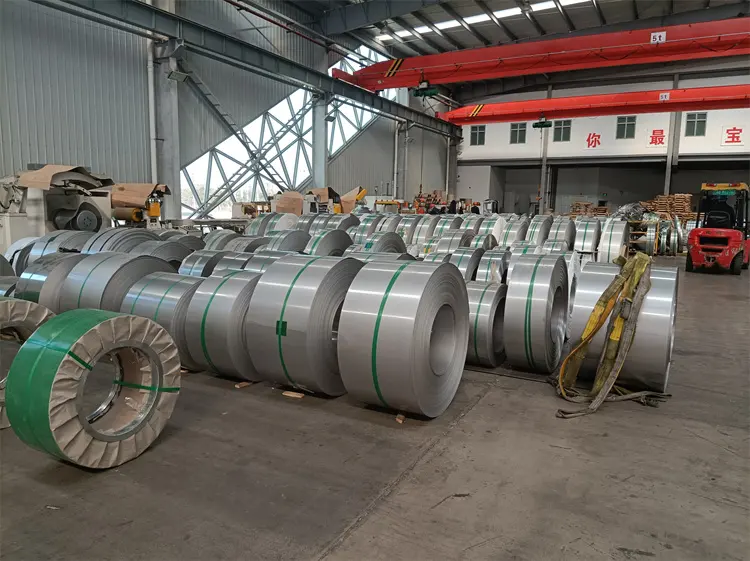
Non-oriented electrical steel is widely used in electrical machinery, serving as a core material in motors, generators, and transformers. Its isotropic magnetic properties allow for efficient energy conversion in rotating equipment, making it ideal for applications like industrial drives, household appliances, and automotive systems. This versatility stems from its balanced magnetic performance in all directions, which helps reduce energy losses and improve overall efficiency.
In renewable energy sectors, non-oriented electrical steel enables advanced wind turbines and solar inverters to operate more reliably. As global demand for clean power grows, this material supports innovations in high-speed generators and hybrid vehicles, where minimizing core losses is critical for performance. Its adaptability to varying magnetic fields ensures consistent operation under dynamic loads, contributing to longer lifespans and reduced maintenance costs.
Beyond traditional uses, emerging technologies such as electric vehicle drivetrains and smart grid components rely on non-oriented steel to handle fluctuating power demands. Its cost-effectiveness and ease of manufacturing enable scalable production for next-generation devices, from compact chargers to large-scale industrial systems. As industries push for higher efficiency standards, this material continues to evolve, meeting the needs of modern electrical engineering with improved magnetic saturation and lower noise levels.
Manufacturing Processes and Quality Standards
In modern manufacturing, processes form the backbone of production, from initial design to final assembly. Companies leverage advanced techniques like additive manufacturing and automation to boost efficiency, reduce waste, and meet market demands swiftly. This approach not only accelerates timelines but also ensures components are crafted with precision, adapting to evolving industry needs without compromising on reliability.
Quality standards serve as critical benchmarks, guiding every stage of production to uphold product excellence. Adherence to rigorous frameworks such as ISO 9001 or Six Sigma fosters consistent outputs, minimizes defects, and aligns with customer expectations. By embedding quality checks throughout the workflow, manufacturers can identify issues early, ensuring smooth operations and robust performance in real-world applications.
Integrating processes and standards creates a synergistic environment where innovation thrives alongside compliance. This blend supports continuous improvement, enabling firms to navigate challenges like supply chain disruptions while maintaining high-quality outputs. Ultimately, it drives competitive advantage, building trust with clients through transparent and dependable manufacturing practices.
Market Trends and Growth Drivers
In today's dynamic business environment, market trends are shifting rapidly due to factors like technological innovation and evolving consumer preferences. Companies that stay ahead by adopting advanced analytics and digital tools often capitalize on new opportunities, such as the rise of remote work fueling demand for cloud-based solutions. This adaptability not only helps them respond to immediate changes but also positions them for sustainable growth in competitive sectors.
Key growth drivers include increased investment in sustainable practices and the expansion of e-commerce platforms, which are reshaping how industries operate. For instance, the push toward green energy is opening markets for renewable technologies, while digital transformation initiatives are streamlining operations and enhancing customer experiences. By focusing on these areas, businesses can build resilience and tap into emerging markets with high potential.
Looking forward, the interplay between regulatory changes and market dynamics will likely spur further innovations, such as in fintech and healthcare. Organizations that prioritize agility and forward-thinking strategies, rather than just following conventional benchmarks, stand to gain a significant edge. This proactive approach ensures they're not just reacting to trends but actively shaping their own growth trajectories in an ever-evolving landscape.
Competitive Landscape and Major Players
In today's market, understanding the competitive landscape is crucial for identifying opportunities and threats. The major players in this sector vary significantly in size and strategy, from established giants leveraging their brand power and resources to innovative startups disrupting traditional models with agile approaches. This dynamic environment demands that businesses continuously monitor shifts in market share, customer preferences, and technological advancements to stay ahead.
Key players often differentiate themselves through unique value propositions, such as proprietary technologies, superior customer service, or sustainable practices. For instance, some companies have carved out niches by focusing on niche markets or integrating AI-driven solutions that enhance efficiency. Meanwhile, others compete on a global scale, expanding through strategic acquisitions or partnerships to broaden their reach and capabilities.
The interplay between these major entities shapes the overall competitive dynamics, influencing pricing, innovation cycles, and industry standards. As new entrants emerge and regulatory changes occur, the landscape remains fluid, requiring stakeholders to adapt quickly to maintain relevance and drive growth in an increasingly interconnected world.
Future Outlook and Strategic Recommendations
As we peer ahead, the landscape is poised for significant shifts driven by emerging technologies and shifting consumer preferences. It's not just about keeping pace; it's about anticipating waves before they crest. Organizations that can pivot swiftly, leveraging data insights and agile frameworks, will be positioned to thrive in this dynamic environment. The real game-changer lies in cultivating a culture of continuous innovation, where experimentation is encouraged and failure is viewed as a stepping stone to success.
From a strategic standpoint, the key is to prioritize initiatives that build long-term resilience over short-term gains. This might involve diversifying revenue streams, investing in sustainable practices that resonate with modern values, or forging partnerships that unlock new capabilities. Remember, strategy isn't a one-size-fits-all blueprint; it's about tailoring approaches to fit your unique context and strengths. By focusing on areas where you can genuinely differentiate—be it through exceptional customer service, niche expertise, or cutting-edge solutions—you'll carve out a distinct space in the market.
Ultimately, success hinges on balancing foresight with action. Stay attuned to global trends and local nuances, but don't get paralyzed by analysis. Implement recommendations with a clear roadmap, measure progress through meaningful metrics, and be ready to adapt as circumstances evolve. The future favors those who are not only prepared but also proactive in shaping their own trajectories.
FAQ
Non Oriented Electrical Steel is a specialized steel alloy designed for use in electrical motors, transformers, and generators, featuring magnetic properties that remain consistent in all directions, unlike oriented electrical steel, which has directional magnetic properties. This makes it crucial for efficient power distribution and energy conversion.
It's vital for China's power market because the country is rapidly expanding its renewable energy infrastructure and industrial automation, which require high-efficiency electrical equipment. Using this steel can reduce energy losses, support grid stability, and help meet sustainability goals in a large, growing economy.
Key applications include the cores of electric motors in appliances and electric vehicles, transformers for power distribution, and generators in wind turbines and other renewable energy sources. These components benefit from its consistent magnetic performance to enhance efficiency and reliability.
Producing this steel involves energy-intensive processes, but its use in high-efficiency devices can offset this by reducing overall energy consumption in power systems. In China, increasing production with cleaner technologies aligns with environmental policies to cut carbon emissions and promote green energy.
Challenges include high manufacturing costs, technical expertise requirements for quality production, and competition from global suppliers. Additionally, integrating new materials into existing infrastructure and ensuring supply chain stability can be barriers to widespread adoption.
Innovation plays a critical role by developing alloys with better magnetic properties and lower core losses, improving manufacturing techniques to reduce costs, and creating lighter materials for compact devices. This helps China meet evolving demands like smart grids and electric mobility more effectively.
It contributes by enabling more efficient electrical machinery, which reduces energy waste and operational costs. In industries such as manufacturing and transportation, this leads to lower electricity consumption and supports China's efforts to improve energy intensity and combat climate change.
Conclusion
The article "Non Oriented Electrical Steel: Unlocking China's Power Market Potential" explores the synergy between this specialized steel and China's evolving power sector. It begins with an overview of China's power market, highlighting its rapid growth driven by urbanization, industrialization, and renewable energy adoption, which creates significant demand for efficient electrical components. Non-oriented electrical steel (NOES) plays a crucial role in this landscape due to its key applications in motors, transformers, and generators, where it enhances energy efficiency by reducing core losses. The discussion then delves into the manufacturing processes and quality standards, emphasizing how advancements in production techniques and stringent benchmarks ensure high-performance materials that meet both domestic and international requirements, thereby supporting reliability in power infrastructure.
Further analysis covers market trends and growth drivers, such as government policies promoting energy conservation and the shift towards electric vehicles and smart grids, which boost NOES demand. The competitive landscape is examined, noting major global and domestic players like Baosteel and ThyssenKrupp, who innovate to capture market share. The future outlook projects continued expansion, with strategic recommendations focusing on R&D investment, supply chain optimization, and collaboration to harness opportunities in China's power market, ultimately positioning NOES as a vital enabler of sustainable energy development and economic growth.
Contact Us
Contact Person: Zoe Liang
Email: [email protected]
Tel/WhatsApp: 86 189 2128 6299
Website: https://www.baowuchina.com