

Optimizing Medical Device Wire Applications in Orthodontics and Stent Technology
2026-02-06
Innovation in medical technology often begins at the smallest of scales—literally, with wires. In orthodontics, precision wires guide teeth into alignment with subtle force, while in stent technology, intricately woven alloys support cardiovascular health. Both fields rely on the optimal performance of these tiny yet critical components, pushing the boundaries of what's possible in patient care. As we explore how advancements in wire design are transforming these applications, one company stands at the forefront: GRM. Their expertise in precision engineering isn't just a technical detail—it's the linchpin in creating devices that blend durability, flexibility, and biocompatibility seamlessly. This blog delves into the cutting-edge techniques and materials that are setting new standards, and how GRM's role is sparking curiosity among engineers and clinicians alike. Ready to see how the future of medical devices is being shaped, one wire at a time? Let's dive in.
Enhanced Precision in Orthodontic Wire Design for Improved Patient Outcomes
Today's orthopedic wire design isn't just about bending metal; it's about sculpting solutions with exacting accuracy. By leveraging advanced materials like nickel-titanium and cobalt-chromium, combined with precise manufacturing techniques such as laser cutting and 3D printing, orthopedic wires can now be tailored to individual patient anatomies. This high level of customization ensures optimal force application, reducing discomfort and shortening treatment duration.
Beyond materials, the integration of digital technologies like cone-beam computed tomography (CBCT) and computer-aided design (CAD) has revolutionized wire fabrication. Surgeons can now analyze bone structures in minute detail, allowing for wires that fit perfectly and support healing without causing undue stress. This precision minimizes complications like wire breakage or migration, leading to more predictable and reliable outcomes for patients undergoing orthopedic procedures.
Ultimately, this focus on enhanced precision translates directly into tangible benefits for patients. Faster healing times, reduced pain, and improved functional recovery are just some of the advantages. As these innovations become standard in orthopedic practice, patients can expect better overall experiences and higher success rates in their treatment journeys, making precision in wire design a key driver of improved health outcomes.
Innovative Stent Technology: Customization and Biocompatibility Advances
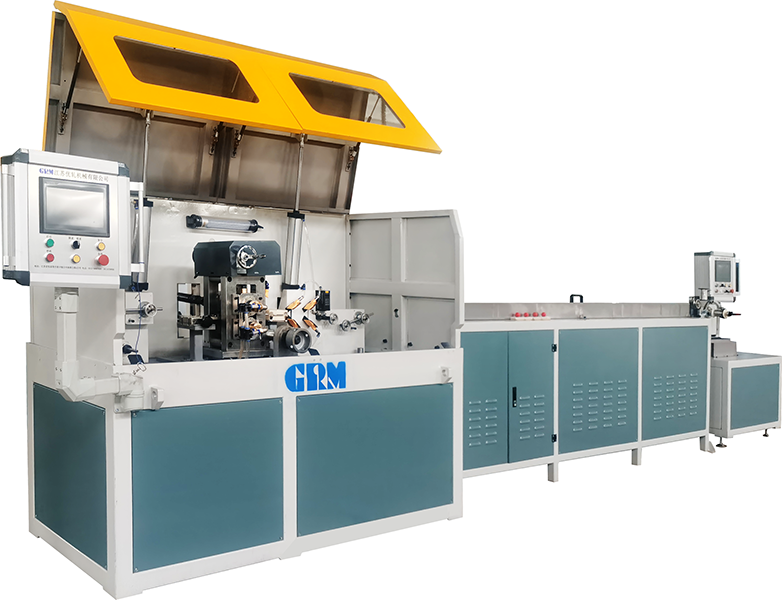
Customization in stent technology has evolved from a one-size-fits-all approach to a more tailored solution for individual patients. By employing advanced imaging and 3D printing techniques, medical professionals can now design stents that precisely match a patient's unique vascular anatomy. This personalized approach not only enhances the fit of the stent but also improves its functionality, leading to better outcomes and reduced risk of complications such as restenosis or device migration.
In terms of biocompatibility, recent advances have led to the development of novel materials that minimize adverse reactions within the body. For example, bioresorbable polymers allow the stent to gradually dissolve over time, leaving behind a healed artery without permanent implants. Additionally, surface modifications on stents help prevent blood clot formation and inflammation, making them safer and more effective for long-term use in treating various cardiovascular conditions.
Looking ahead, the integration of smart technologies, such as sensors that monitor blood flow or drug-release mechanisms, is set to further revolutionize this field. By combining customization with enhanced biocompatibility, these innovations promise to deliver more personalized and durable treatments, ultimately improving patient care and quality of life.
Material Science Breakthroughs in Medical Device Wires for Long-Term Efficacy
Medical device wires have seen remarkable advancements through material science innovations, enhancing long-term efficacy and patient safety. For instance, the development of corrosion-resistant alloys like nitinol and platinum-iridium significantly reduces degradation in harsh bodily environments, ensuring consistent electrical conductivity over years of implantation. These materials also exhibit superior fatigue resistance, crucial for devices like pacemakers and neuromodulation systems that endure constant motion, thereby minimizing the risk of wire fracture and extending the functional lifespan of medical implants.
Beyond durability, smart material integration allows wires to adapt to physiological changes, improving therapeutic outcomes. Shape-memory polymers in neurostimulation leads, for example, can conform to anatomical shifts post-implantation, maintaining optimal electrode contact without manual adjustments. This adaptability, combined with bioactive coatings that promote tissue integration, reduces inflammatory responses and enhances signal stability. Such innovations not only boost device longevity but also personalize treatments, catering to individual patient needs with minimal invasive revisions.
Advanced manufacturing techniques, such as microfabrication and additive manufacturing, further propel these breakthroughs by enabling precise wire designs that were previously unattainable. Ultra-thin, flexible wires with integrated sensors can monitor real-time physiological data, like cardiac rhythm or neurotransmitter levels, while maintaining biocompatibility. This convergence of materials and technology not only extends efficacy but also opens new frontiers in chronic disease management, making long-term implantable devices more reliable and less burdensome for patients worldwide.
Minimally Invasive Techniques: Streamlining Orthodontic and Stent Procedures
Minimally invasive techniques are transforming orthodontic and stent procedures by prioritizing patient comfort and faster recovery times. In orthodontics, methods like clear aligners and digital smile design allow for precise tooth movement with fewer office visits and less discomfort compared to traditional braces. For stent placements, minimally invasive approaches, such as using smaller incisions and advanced imaging guidance, reduce surgical trauma and lower the risk of complications, leading to quicker hospital discharges and improved long-term outcomes.
These innovations not only streamline treatment processes but also enhance overall patient satisfaction. By integrating technologies like 3D scanning and computer-aided planning, orthodontists and surgeons can customize treatments more effectively, resulting in more predictable and efficient procedures. This shift towards less invasive methods supports a holistic approach to dental and medical care, aligning with modern demands for convenience and quality.
As adoption grows, minimally invasive techniques continue to evolve, offering new possibilities for complex cases. Ongoing research and development promise even more refined tools and protocols, ensuring that orthodontic and stent procedures remain at the forefront of medical advancement, delivering superior results with minimal disruption to patients' lives.
Data-Driven Approaches to Optimize Wire Performance in Clinical Settings
In today's fast-paced clinical environments, the optimization of wire performance is no longer just about selecting the right material or design; it's increasingly driven by data. By leveraging real-time insights from patient outcomes, procedural efficiencies, and equipment usage patterns, healthcare professionals can fine-tune wire functionality to meet specific demands. This shift towards data-centric strategies not only enhances precision in procedures like catheterizations and ablations but also reduces complications, ultimately improving patient safety and operational flow.
One standout method involves integrating sensor-equipped wires that continuously collect and transmit performance metrics during procedures. These data streams, analyzed through advanced algorithms, reveal subtle correlations between wire behavior and clinical results, allowing for iterative improvements. For instance, tracking variables like flexibility, torque response, and resistance in different anatomical contexts helps tailor wire selection to individual patient needs. This empirical approach moves beyond traditional trial-and-error, fostering a more adaptive and evidence-based clinical practice.
Despite the clear benefits, implementing data-driven optimization requires a balanced approach. Challenges such as data privacy, infrastructure costs, and staff training must be addressed to avoid over-reliance on technology that could overshadow clinical expertise. By combining analytical insights with hands-on experience, clinicians can harness data to refine wire performance without losing the human touch that remains vital in critical care settings. This synergy ensures innovations translate into tangible improvements in patient outcomes and workflow efficiency.
Future Trends: Smart Devices and AI Integration in Orthodontic and Stent Applications
Advancements in orthodontics and stent treatments are set to revolutionize patient care through the seamless integration of smart devices and artificial intelligence. Imagine braces embedded with tiny sensors that monitor pressure and movement, transmitting real-time data to both orthodontists and patients via smartphone apps. This not only allows for more precise adjustments but also empowers individuals to track their progress daily, reducing anxiety and improving compliance. For stents, particularly in cardiovascular applications, smart versions could continuously measure blood flow and detect early signs of complications, sending alerts to medical teams before emergencies arise. Such innovations promise to make treatments less intrusive and more responsive, shifting from reactive to proactive healthcare models.
Artificial intelligence further amplifies these benefits by analyzing vast datasets from these devices to optimize treatment plans. In orthodontics, AI algorithms can predict tooth movement patterns with high accuracy, suggesting the most effective alignment strategies tailored to each patient's unique anatomy. For stents, machine learning models can process data from smart stents to identify trends in healing or risk factors, enabling personalized adjustments in medication or follow-up schedules. This synergy of AI and hardware ensures that decisions are data-driven, reducing human error and potentially shortening treatment durations. As a result, patients experience more comfortable and efficient outcomes, while practitioners gain valuable insights to refine their approaches.
Looking ahead, the convergence of these technologies is poised to redefine standards in dental and medical fields. In orthodontics, we might see AI-powered virtual consultations that use smart device data to simulate treatment outcomes, helping patients visualize their results before starting. For stent applications, integration with broader health ecosystems could allow smart stents to communicate with other wearable devices, providing a holistic view of a patient's well-being. These trends highlight a move toward interconnected, intelligent systems that prioritize precision and personalization, ultimately enhancing quality of life and reducing long-term health costs. As research progresses, expect to witness even more innovative collaborations that blur the lines between technology and traditional care.
FAQ
In orthodontics, medical device wires are primarily used in braces to apply controlled forces that gradually shift teeth into proper alignment, aiding in bite correction and aesthetic improvements.
Wires in stent technology are optimized through materials like nitinol for flexibility and shape memory, along with precise engineering to enhance deliverability, reduce thrombosis risk, and ensure long-term patency in blood vessels.
Key challenges include balancing durability with biocompatibility, minimizing patient discomfort, and tailoring designs to specific anatomical needs, requiring innovations in material science and manufacturing techniques.
Recent advancements include the development of superelastic alloys, such as nickel-titanium composites, that improve performance by offering greater resilience and corrosion resistance in dynamic environments like the mouth and circulatory system.
Customizing wire design in orthodontics is crucial because individual patient anatomy varies; tailored wires can provide more efficient tooth movement, reduce treatment time, and enhance comfort.
Optimized wires in stent procedures lead to better patient outcomes by improving procedural success rates, reducing complications like restenosis, and supporting faster recovery due to their enhanced biocompatibility and mechanical properties.
Interdisciplinary collaboration between engineers, clinicians, and material scientists enables the integration of clinical insights with technical innovations, fostering the development of wires that better meet both medical and patient needs.
Conclusion
The evolution of medical device wire applications in orthodontics and stent technology has driven significant improvements in patient care through precision and customization. Enhanced precision in orthodontic wire design now allows for more tailored treatments that directly contribute to better patient outcomes, reducing discomfort and treatment duration. Similarly, innovative stent technology leverages advances in customization and biocompatibility, ensuring devices integrate seamlessly with the body to minimize adverse reactions. Material science breakthroughs further bolster these applications by introducing wires with superior durability and long-term efficacy, crucial for sustaining positive results over time. These developments collectively foster minimally invasive techniques that streamline both orthodontic and stent procedures, reducing recovery periods and enhancing overall patient experience.
Looking ahead, data-driven approaches are increasingly utilized to optimize wire performance in clinical settings, enabling real-time adjustments based on patient-specific data for more effective interventions. Future trends point toward the integration of smart devices and AI, which promise to revolutionize orthodontic and stent applications by enabling predictive analytics and personalized treatment plans. This convergence of technology and medical science not only enhances current practices but also opens new avenues for innovation, ensuring that medical device wires continue to play a pivotal role in advancing healthcare outcomes. By embracing these multifaceted advancements, the field is poised to deliver more efficient, patient-centric solutions that stand out in the competitive landscape of medical technology.
Contact Us
Contact Person: Rayna
Email: [email protected]
Tel/WhatsApp: 86 -173 1474 6343
Website: https://www.grmrollingmill.com/