

Outdoor Wall Stone Solutions for a Stunning and Durable Exterior
2026-07-12
When it comes to exterior design, natural stone has long been the benchmark for timeless beauty and enduring strength. At Beata Ceramics, we understand that the right wall stone can transform an ordinary façade into a stunning statement. With so many options on the market, the challenge is finding that perfect blend of style, resilience, and low maintenance. This guide explores outdoor wall stone solutions that promise to elevate your home’s curb appeal while standing up to the elements for decades to come.
Exploring Timeless Stone Textures for Lasting Curb Appeal
Stone textures carry an undeniable weight of permanence, each surface telling a story shaped by millennia of natural forces. When thoughtfully integrated into exterior design, these tactile layers do more than just decorate—they anchor a home’s first impression in something genuine and enduring. The subtle undulations of honed limestone or the crisp cleft lines of quartzite offer a visual depth that manufactured materials rarely capture, making a facade feel both grounded and artfully composed.
Different stone finishes can steer a home’s personality in entirely different directions. A flamed granite surface, with its rugged granular feel, leans into a bold, rustic narrative, while a brushed basalt conveys quiet sophistication through its muted, non-reflective texture. Sandblasted sandstone, on the other hand, brings a soft, weathered charm that works beautifully in garden walls or transitional spaces. The key is to select a texture that doesn’t just match the architectural style but also responds to the landscape it sits within, creating a dialogue between built form and natural setting.
Beyond looks, these textures influence how a property ages over time. A well-chosen stone gains character as it weathers, developing a patina that synthetic alternatives simply can’t mimic. That slow, graceful evolution means the home continues to feel deliberate and cared for, rather than dated. Pairing rough-cut stone accents with smooth, contemporary elements like metal or glass can further heighten the contrast, ensuring the facade remains both current and rooted—a curated balance that invites a second look and a lasting impression.
Mixing Materials: How to Pair Stone with Other Exterior Finishes
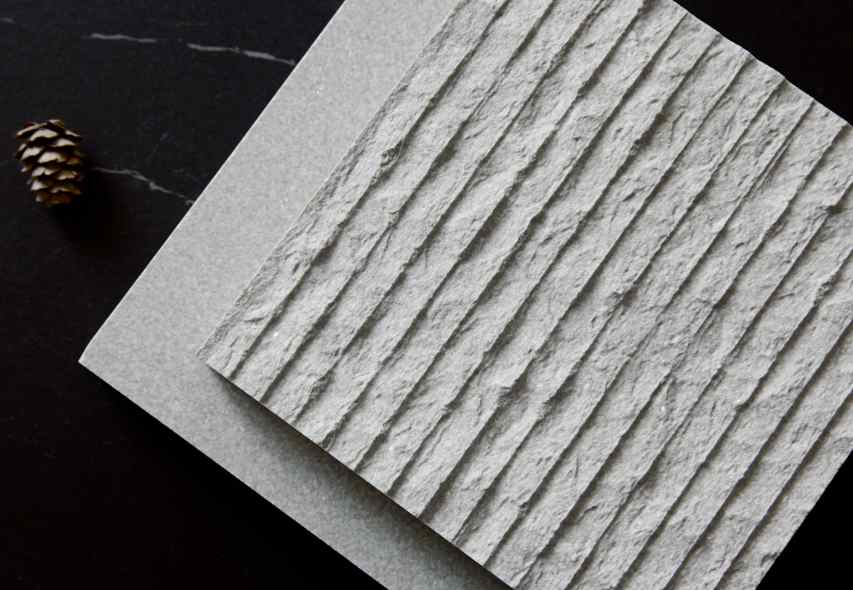
Stone has a timeless, grounded presence that few other materials can match, but the real magic happens when you introduce contrasting textures and tones. Pairing rough-cut fieldstone with smooth, painted fiber cement siding, for instance, creates a dialogue between rustic charm and modern crispness. The key is balance: if your stone has heavy, irregular shapes, keep the other finish sleek and uniform. Don’t shy away from letting the stone dominate one section—like a front porch column or a chimney breast—while letting the companion material wrap the rest of the facade. This intentional asymmetry keeps the eye moving and avoids the dreaded “mismatched afterthought” look.
Wood and stone are natural allies, but the trick is choosing the right wood tone and profile. A warm cedar shake paired with bluestone veneer feels organic and New England-inspired, whereas vertical board-and-batten siding in a driftwood gray stain next to split-face quartzite reads more modern farmhouse. Think about how the materials meet: a crisp metal transition strip or a deliberate shadow gap can turn a functional seam into a design feature. Also consider maintenance—stone is nearly maintenance-free, so if you’re pairing it with wood, opt for pre-finished or thermally modified products that won’t need frequent staining. The goal is a partnership that ages gracefully together, not one where the wood weathers into a completely different color within two years.
Metal finishes introduce an industrial edge that can sharpen the inherent softness of stone. Corten steel panels, with their rusty patina, complement limestone beautifully by echoing earthy hues while adding a sleek, flat plane. For a more refined contrast, black metal cladding against honed granite creates a striking, gallery-like exterior. Don’t limit yourself to siding alone—consider metal roofing, window frames, or even downspouts as accents that tie the composition together. The temperatures of the materials matter too: stone’s cool, dense surface feels richer next to a warmer, matte metal like copper or brass. Test mockups in different lighting conditions to ensure the pairing reads the way you envision, because stone’s mottled color variations can shift dramatically from morning to evening.
Installation Secrets That Ensure Your Stone Wall Stands Strong
A stone wall’s longevity starts below ground, where most failures hide. Instead of the common skimpy trench, dig deep enough to bypass loose topsoil and reach undisturbed earth. Compact the base thoroughly, then lay a generous layer of angular gravel—not rounded pebbles—to lock together and prevent shifting. This simple step resists frost heave and keeps your wall level for decades, far beyond what a shallow, haphazard footing could ever achieve.
The real art is in how the stones interact. Think of each rock as a puzzle piece—avoid stacking them like bricks in straight columns, which creates weak seams. Stagger joints so every stone bridges the gap below, and tilt each piece slightly back into the hillside. This “batter” uses gravity as a silent ally, pressing the wall inward rather than letting it bulge. Pack every crevice with smaller chips, not just on the face but deep inside, to eliminate voids that invite collapse.
Water is the quiet destroyer of stone walls, but few builders treat it seriously. Behind the wall, backfill with free-draining gravel, never clay-heavy soil, to channel water away. Install a perforated drain pipe at the base, wrapped in filter fabric, and daylight it out beyond the wall’s end. Without this unseen escape route, hydrostatic pressure builds invisibly until the wall bows or topples. It’s the detail you’ll never see, but your wall’s backbone depends on it.
The Unseen Benefits of Natural Stone for Home Insulation
Natural stone, often chosen for its aesthetic appeal, quietly outperforms many modern materials when it comes to insulating a home. Its high thermal mass allows it to absorb heat during the day and release it slowly at night, naturally regulating indoor temperatures and reducing reliance on heating and cooling systems. This time-tested property means stone walls don't just look solid—they actively stabilize the living environment, cutting energy costs without any moving parts or maintenance.
Beyond thermal performance, stone acts as an effective acoustic insulator, muffling outdoor noise and creating a noticeably quieter interior. The density and irregular internal structure of natural stone disrupt sound waves far better than lightweight, uniformly manufactured panels. Homeowners often remark on the unexpected serenity of a stone-clad room, where the hustle of the street simply fades away, leaving a space that feels both protected and peaceful.
Moisture regulation is another hidden advantage. Natural stone is a breathing material; it absorbs excess humidity and releases it when the air is dry, helping to prevent mold and condensation issues that plague tightly sealed modern homes. This natural hygroscopic balance not only safeguards the building's structure but also contributes to healthier indoor air, making stone a quiet guardian of both comfort and well-being.
Modern Stone Cladding: Sleek Designs for Contemporary Homes
Stone cladding has evolved far beyond its rustic origins, now offering sleek, refined surfaces that complement the clean lines of contemporary architecture. Thin-cut veneers, large-format panels, and precisely honed finishes transform natural stone into a lightweight, sophisticated skin for modern homes. These claddings maintain the inherent depth and texture of stone while achieving the minimalist aesthetic that defines today’s design language.
Designers are increasingly drawn to stone’s ability to introduce subtle variation without disrupting a streamlined facade. Materials like basalt, quartzite, and limestone are favored for their consistent coloration and fine grain, which read as calm, monolithic volumes from a distance. When paired with expansive glazing or crisp metal accents, the stone provides a grounded, tactile counterpoint that keeps the exterior from feeling cold or uniform.
Beyond aesthetics, modern installation systems allow for seamless integration with advanced building envelopes. Rainscreen assemblies and mechanically fixed panels improve thermal performance and moisture management, making stone cladding a practical choice for energy-efficient homes. This fusion of beauty and performance means natural stone continues to be reimagined as a forward-thinking element in residential design.
Weathering the Elements: Stone Choices That Age Gracefully
Not all stone weathers the same way, and understanding how different materials respond to rain, wind, and sun is essential for any outdoor project. Limestone, for instance, develops a silvery patina over time that many find appealing, while sandstone can soften and erode if not properly sealed. Choosing a stone that actually improves with exposure means looking beyond immediate aesthetics and considering how it will evolve on your facade or patio. Some materials, like bluestone, hold their color well but may develop a slight texture that adds character without compromising durability. The goal is to select a surface that looks better with each passing season, not one that demands constant maintenance to hide the marks of time.
Granite and slate stand out for their ability to resist harsh conditions while gaining a subtle lived-in quality. Granite’s tightly packed crystals shrug off moisture and freeze-thaw cycles, and its polished surface may dull slightly to a matte finish that feels more organic. Slate, with its natural cleft surface, already has a rustic look that deepens as tiny flakes wear away, revealing richer tonal variations. These stones don’t just survive the elements—they collaborate with them, turning rain streaks and sun bleaching into features rather than flaws. When you walk on a slate path that has seen a decade of storms, it rarely looks tired; instead, it feels like it belongs exactly where it is.
For those drawn to a more rustic or timeworn appearance, fieldstone and certain limestones with high fossil content can deliver striking results. Fieldstone’s irregular shapes and mixed colors become even more distinctive as moss and lichen gradually colonize the surface, creating a living patina that shifts with the seasons. This is not decay but a slow beautification, provided the stone was sound to begin with. Similarly, some French limestones develop a creamy, almost buttery surface after years of exposure, their edges softening without losing strength. The trick is knowing which stones welcome this transformation and which—like certain marbles—can pit or stain ungracefully. By selecting materials that age on their own terms, you build a landscape that tells a quiet story, one rainstorm at a time.
FAQ
Natural stones like slate, granite, limestone, and sandstone are excellent for exterior walls due to their durability and weather resistance. Each offers unique textures and colors to enhance curb appeal.
Stone walls add a timeless, natural beauty and can significantly boost property value. They also provide excellent insulation and protection against the elements, making your home more energy-efficient.
While initial costs may be higher than other materials, stone is a long-term investment. It requires minimal maintenance and can last for decades, which offsets the upfront expense over time.
Yes, stone veneer is a popular, lightweight alternative that gives the same aesthetic as full stone. It's easier to install and more affordable, while still offering good durability and a realistic look.
Maintenance is simple: occasional cleaning with water and a soft brush, checking for loose stones or mortar, and sealing the stone every few years to protect against moisture and stains.
You can mix stone types, create patterns like stacked or random ashlar, or combine stone with other materials like wood or stucco for a unique, modern look.
Yes, natural stone is a sustainable choice. It's abundant, requires little processing, and has a long lifespan, reducing the need for replacement and waste.
In colder climates, choose stones with low water absorption to prevent freeze-thaw damage, like granite or slate. In hot, humid areas, lighter-colored stones reflect heat and resist mold.
Conclusion
Choosing natural stone for your home’s exterior is more than a design decision—it’s an investment in timeless beauty and resilience. The variety of textures, from rugged split-face to smooth honed finishes, allows homeowners to craft a unique curb appeal that only improves with age. Pairing stone with materials like wood, metal, or stucco can create striking contrasts that highlight architectural features while maintaining harmony. Modern stone cladding systems have also evolved, offering sleek, large-format panels that suit contemporary tastes without sacrificing the organic warmth of real stone. Beyond aesthetics, the right installation techniques—including proper drainage and flexible mortar—are critical to ensuring the wall withstands decades of weather and movement.
Natural stone also offers surprising practical benefits: its thermal mass helps regulate indoor temperatures, reducing energy costs throughout the year. When selecting stone, consider how different types react to the elements; some, like granite and slate, resist moisture and frost far better than others, gracefully aging with nothing more than a subtle patina. Whether you’re aiming for a rustic cottage feel or a minimalist facade, stone solutions can be tailored to meet both style and performance needs. Ultimately, a well-executed stone exterior blends art and engineering, delivering a facade that stands strong, looks inviting, and keeps your home comfortable in every season.
Contact Us
Contact Person: Emma
Email: [email protected]
Tel/WhatsApp: 8618064423698
Website: https://www.beataceramics.com/