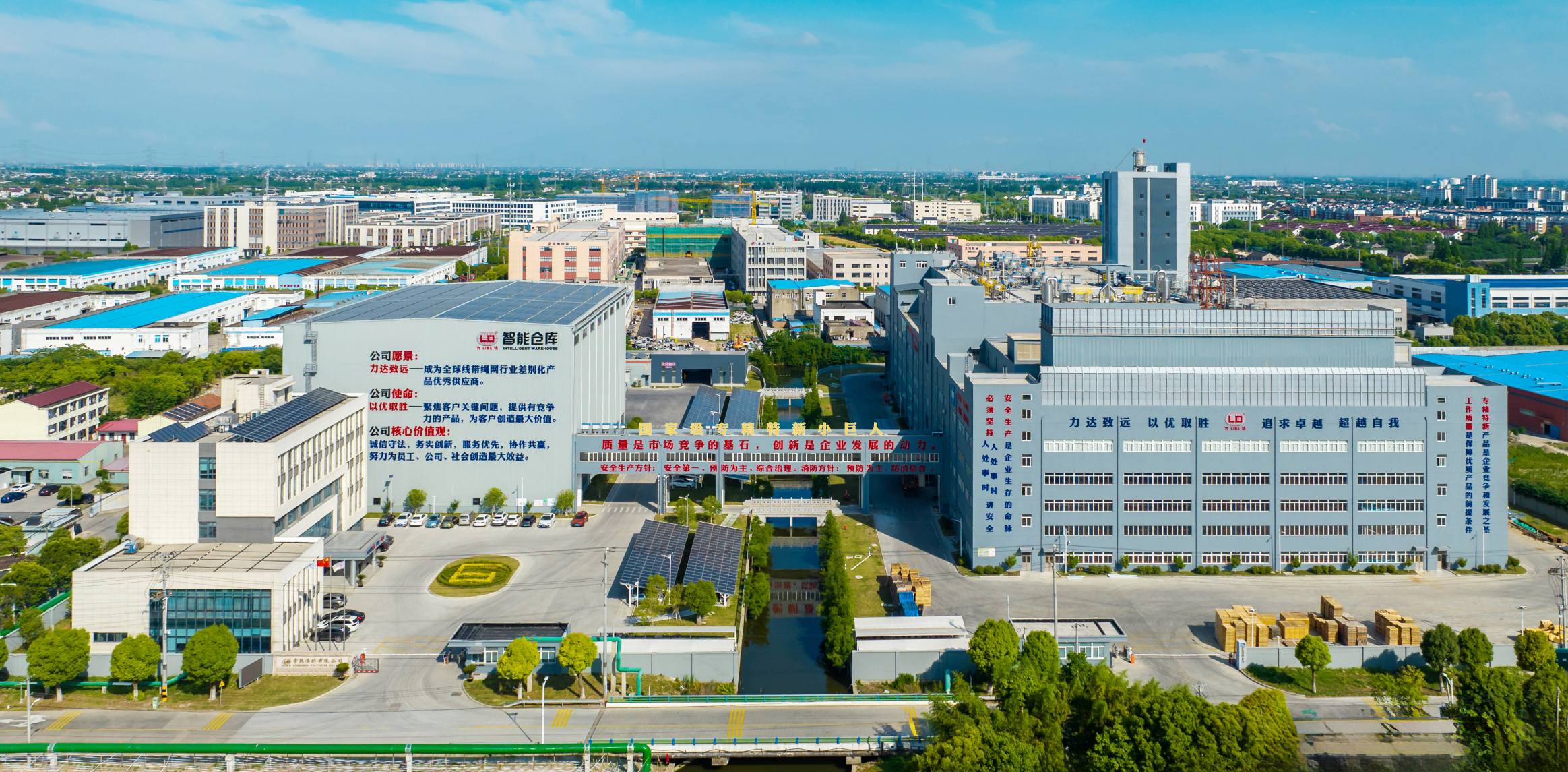

PE Cool Feeling Yarn Manufacturer Shares the Secret to Cooling Comfort
2026-06-30
Ever wonder how some fabrics stay icy cool even on the hottest days? The answer lies in an innovative material called PE cool feeling yarn, and no one understands it better than Changshu Polyester. In this article, we pull back the curtain on the refreshing secrets that are transforming everyday wear into a personal cooling system.
The Instant Chill: Decoding PE Yarn's Cooling Mechanism
At the heart of PE yarn's cooling sensation lies a clever interplay of material science and fabric engineering. Unlike traditional fibers that trap heat and moisture against the skin, polyethylene yarn is inherently hydrophobic and boasts exceptional thermal conductivity. When woven into a textile, it rapidly draws body heat away from the surface, creating an immediate drop in perceived temperature. This isn't a chemical reaction or an add-on finish—it's the fundamental nature of the fiber. The smooth, round cross-section of PE filaments also reduces friction points, meaning the fabric glides over skin with a distinctly cool, slick touch right from the first contact.
What truly sets PE yarn apart is how it manages moisture to sustain that chill. Rather than absorbing sweat like cotton, the hydrophobic fibers push moisture outward where it can spread across the fabric’s face and evaporate swiftly. This phase-change process continuously siphons thermal energy from the skin, keeping you cooler for longer. The structure can be further enhanced through micro-channel designs or by blending with other cooling agents, but the base principle remains: constant heat dissipation without ever feeling wet or clingy. A quick walk through sunlight or a brief stint in a stuffy room is all it takes to appreciate how PE yarn turns a passive garment into an active cooling tool.
The sensation isn't just subjective comfort—it's measurable. Infrared thermography often shows PE-based fabrics maintaining a surface temperature several degrees lower than conventional alternatives under the same conditions. This built-in efficiency removes the need for heavy treatments or complex multi-layer systems. Designers are now leveraging these properties in everything from everyday athleisure to medical textiles, quietly embedding that instant chill into the fabric of modern life.
Not All Polyethylenes Are Created Equal
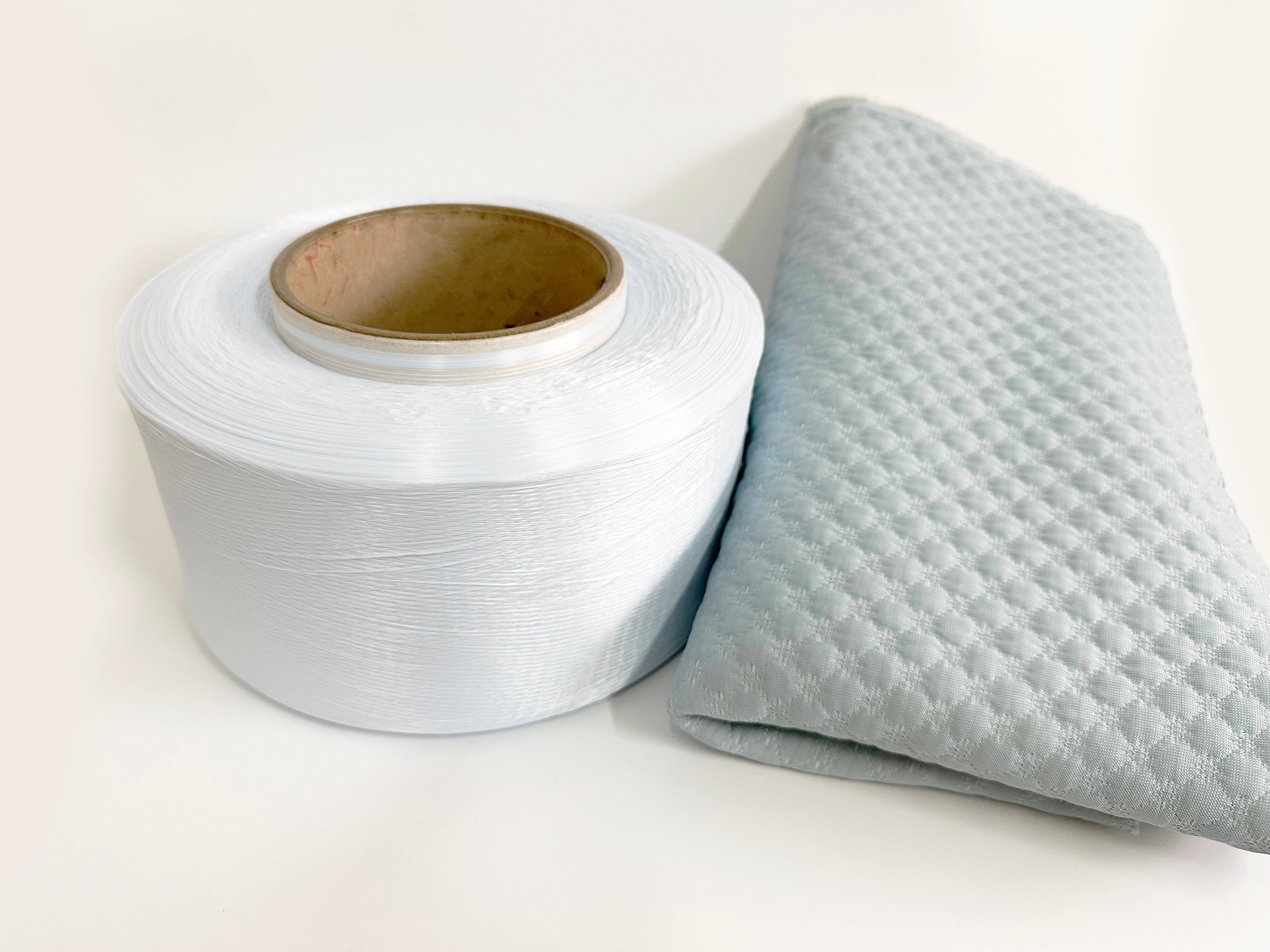
Polyethylene might seem like a one-size-fits-all material from the outside, but its internal world is remarkably diverse. Walk through any plastics facility and you'll quickly learn that not all polyethylenes are created equal. Some are dense and tough, designed to survive years in underground pipes or chemical containers. Others are nearly weightless and flexible, ideal for flimsy shopping bags or shrink wrap that crinkles in your hand. The secret lies in the molecular architecture—how the long hydrocarbon chains are arranged, branched, and packed together determines everything from stiffness to clarity to how easily the material can be stretched or torn.
The family splits into a handful of distinct characters, each with its own personality. Low-density polyethylene, or LDPE, is the free spirit: its highly branched chains give it a supple, almost waxy feel, and it flows easily when melted—perfect for film applications and squeeze bottles. High-density polyethylene, in contrast, is the rigid worker: its linear chains pack closely together, creating a crystalline structure that resists impacts and withstands heat. There's also linear low-density polyethylene, a clever hybrid that borrows strength from HDPE and flexibility from LDPE, often used in stretch wrap and heavy-duty sacks. Then come the ultra-high-molecular-weight grades, where chain lengths become so enormous that the material turns into an engineering plastic, used in hip replacements and bulletproof vests.
Even within a single category, subtle variations in manufacturing processes or catalyst choices can nudge properties enough to make one polyethylene a perfect fit for a squeeze ketchup bottle and another a disaster. The density, melt flow index, and molecular weight distribution are all levers that chemists pull to design a material for a specific job. This is why a cheap garden hose feels so different from a fuel tank: both start with ethylene, but the path from raw gas to finished polymer determines whether you get a product that barely holds together or one that lasts for decades. Ignoring these differences can lead to brittle failures or unnecessary cost—because not all polyethylenes are created equal, and neither are the things we make from them.
How Our Fibers Keep You Cool Without Sacrificing Softness
It starts with the structure of the yarn itself. By engineering air channels into each strand, our fibers actively wick moisture away from your skin the moment you start to feel warm. This isn’t a chemical finish that washes out—it's built into the twist and crimp of the fiber, creating a natural microclimate between the fabric and your body. The result is a steady pull of heat and sweat outward, leaving a dry, breathable layer that never feels clingy.
But breathability alone often comes at a cost: scratchy or stiff textures. We avoided that by using extra-long staple fibers, which have fewer exposed ends to irritate the skin. The surface is then brushed using a low-tension process that lifts only the finest hairs, forming a whisper-light halo. You get the sensation of plush cotton or cashmere, yet the underlying filament is still doing the work of moving heat outward. It’s a balance most performance fabrics miss—soft to the hand but cool to the touch, even after hours of wear.
Comfort That Lasts: Durability Meets Breathability
True comfort doesn’t fade after a few wears. It’s built into the very fibers, designed to keep you feeling fresh hour after hour. We’ve engineered a balance that resists sagging and wear while letting your skin breathe, so every movement feels effortless and unrestricted.
Durability often comes at the cost of stiffness, but not here. A carefully woven structure allows air to circulate freely, preventing that clammy, clingy feeling even when you’re active. The fabric holds its shape and texture, wash after wash, without compromising that airy, lightweight sensation you love.
From morning commutes to weekend adventures, this blend of resilience and breathability means you stay cooler, drier, and more composed. It’s the quiet confidence of knowing what you’re wearing won’t let you down, no matter what the day brings.
From Running Trails to Office Chairs: Versatile Cool
Finding gear that seamlessly transitions from morning jogs to afternoon meetings can feel like a challenge. But when style meets function, you get pieces that work as hard as you do. These aren’t just clothes; they’re a statement of intent, designed to keep you comfortable whether you’re pounding the pavement or closing deals.
The magic lies in the details: moisture-wicking fabrics that look crisp enough for the boardroom, subtle stretch that moves with you, and cuts that flatter both in motion and at rest. It’s about embracing a lifestyle that refuses to compartmentalize, where versatility is the ultimate luxury.
From the trail to the conference table, each piece adapts without compromise. Breathable yet polished, they handle sweat and stress with equal ease. This is modern dressing for those who move—and think—on their feet.
The Eco Edge: Sustainable Cooling Without Compromise
Modern cooling systems have long wrestled with a tough trade-off: high performance often comes at the cost of environmental responsibility. But that equation has shifted. Today’s sustainable cooling technologies prove you don’t have to sacrifice comfort or efficiency to shrink your carbon footprint. By rethinking refrigerants, redesigning heat exchange, and integrating smart controls, these systems deliver crisp, consistent cooling while slashing energy consumption and leaning on materials that are kind to the planet. It’s not about doing less with less—it’s about doing more with a lighter touch.
The secret lies in looking beyond the obvious. Instead of just chasing higher SEER ratings, engineers are now modeling entire ecosystems—factoring in local climates, building envelopes, and even occupant behavior. The result is a cooling approach that adapts in real time, ramping down when rooms are empty, pulling humidity without overcooling, and running on renewable power when the grid allows. It’s a quiet, behind-the-scenes shift that means your space stays perfectly cool while energy bills drop and refrigerant leaks become a relic of the past.
What makes this truly an edge? It’s the absence of compromise. You still get the instant relief from a sweltering day, the steady hum of a system that just works, and the freedom to set your preferred temperature without guilt. But now, that comfort is woven into a larger story—one where reliability, longevity, and lower operating costs align with environmental stewardship. It’s cooling that doesn’t force a choice between feeling good and doing good.
FAQ
PE cool feeling yarn incorporates a special cross-section design and cooling minerals that rapidly wick moisture and dissipate heat, giving an instant cold touch that standard yarns lack.
It works through a combination of moisture management and thermal conductivity. The modified fiber structure pulls sweat away from the skin and spreads it over a larger surface area, accelerating evaporation and creating a lasting cooling sensation.
Yes, the cooling properties are integrated directly into the fiber, not just as a surface finish. Our yarns maintain consistent cooling performance even after numerous home launderings.
Absolutely. The yarn is engineered to be smooth and non-irritating, and the rapid moisture removal helps prevent the buildup of sweat and bacteria that often cause skin discomfort.
It's ideal for activewear, summer casual clothing, bedding, and intimate wear - basically any product where staying cool and dry is a priority.
We use a specialized Q-max test that measures the peak heat flux upon contact with the fabric. Our yarn consistently achieves values well above standard benchmarks for instant cool touch.
Not at all. We've refined the spinning process to ensure a soft, natural hand feel while preserving the functional cooling channels within the fiber structure.
The secret lies in permanent fiber modification rather than chemical additives. By physically altering the yarn's shape and incorporating mineral-based coolants during extrusion, we create a durable cooling system that works from the inside out.
Conclusion
When you first touch a fabric made with PE cool feeling yarn, the immediate chill isn't a trick—it's physics woven into textile engineering. Our yarn leverages polyethylene's naturally high thermal conductivity to rapidly draw heat away from the skin, creating that instant cooling sensation. But what truly sets this material apart is how it maintains an optimal microclimate between fabric and body, continuously dissipating warmth instead of trapping it. Unlike generic polyester offerings, the specific polyethylene grade we use undergoes a specialized polymerization and quenching process that locks in a crystalline structure ideal for heat transfer. This isn't just another synthetic—it's a carefully calibrated material where every extrusion parameter has been tuned to deliver consistent, reliable coolness without chemical additives.
Yet performance alone isn't enough; we've obsessed over the softer side of cool. By refining the fiber's cross-section and surface treatment at the filament level, we're able to produce fabrics that feel cotton-like against the skin while still outperforming cellulosic fibers in moisture management and drying speed. The result is enduring comfort that survives countless wash cycles, thanks to the inherent resilience of high-density polyethylene against abrasion and pilling. This versatility means the same cooling technology works just as well in athletic wear pounding the pavement as it does in a chair-bound office setting, where subtle temperature regulation—not aggressive chilling—makes the day more pleasant. And because we process the yarn without water-intensive dyeing or back-coating steps, the manufacturing footprint stays low. Cooling comfort doesn't have to cost the planet; it just takes the right polyethylene, engineered from the ground up.
Contact Us
Contact Person: CONNIE
Email: [email protected]
Tel/WhatsApp: 86-0512-53671634
Website: https://www.lida-yarn.com/