

SF₆ Gas Circuit Breaker: Best Models for Superior Performance
2026-01-06
In the high-stakes world of electrical engineering, choosing the right SF₆ gas circuit breaker can make all the difference. With performance, reliability, and safety on the line, it's crucial to select a model that truly stands out. In this blog, we'll explore the best SF₆ gas circuit breakers for superior performance, highlighting the key features that set them apart. Whether you're an industry professional or simply curious about advanced electrical solutions, you'll discover how innovative designs are transforming power distribution. A leader in this field is Lugao, known for pushing boundaries with cutting-edge technology. Stay tuned as we delve into what makes these models exceptional and why they might be the perfect fit for your needs.
Optimizing SF₆ Gas Circuit Breaker Efficiency for Power Grid Stability
In high-voltage power transmission systems, SF₆ gas circuit breakers play a pivotal role in isolating faults and maintaining operational integrity. Their efficiency directly impacts grid stability, as slow or unreliable interruption can lead to cascading failures. Optimization efforts focus on refining the gas pressure management, arc quenching mechanisms, and contact design to ensure rapid, consistent performance during fault conditions, thereby minimizing downtime and enhancing overall system resilience.
Advanced monitoring technologies, such as real-time gas density sensors and thermal imaging, are now integral to proactive maintenance strategies. By continuously assessing SF₆ purity and pressure, utilities can predict potential failures before they occur, reducing unscheduled outages. This data-driven approach not only extends the lifespan of breakers but also supports a more stable grid by preventing disruptions that could ripple through interconnected networks.
Environmental considerations add another layer to optimization, as SF₆ is a potent greenhouse gas. Innovations in gas handling and recycling during maintenance help mitigate emissions, aligning operational efficiency with sustainability goals. Enhanced sealing techniques and improved materials further reduce leakage, ensuring that breakers remain efficient over time without compromising environmental standards, thus contributing to a reliable and eco-friendly power infrastructure.
Innovative Insulation and Arc Quenching Technologies in SF₆ Breakers
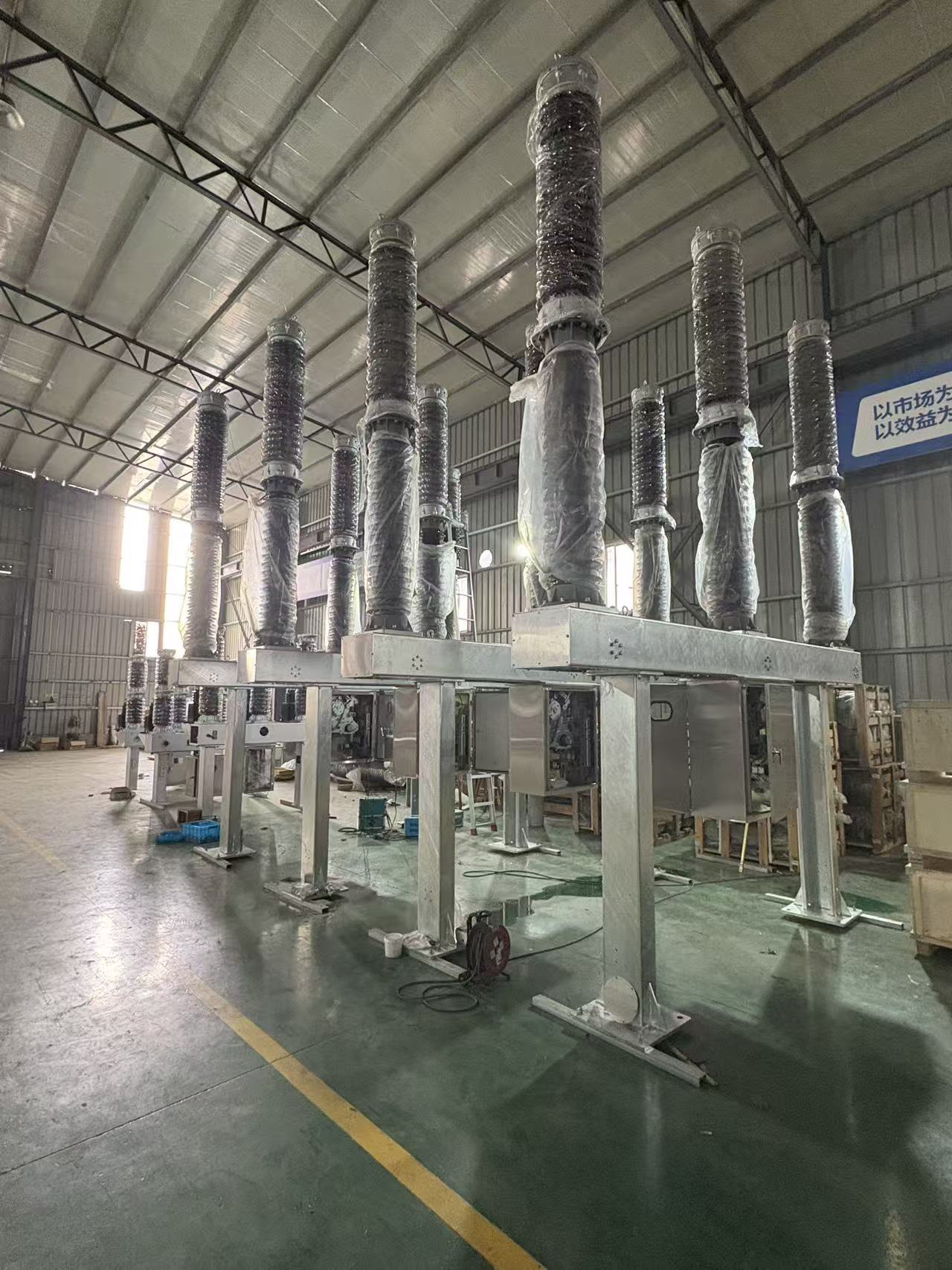
SF₆ breakers have long been a cornerstone in high-voltage electrical systems, leveraging sulfur hexafluoride gas for its outstanding dielectric properties. The innovation in insulation technologies often revolves around optimizing gas mixtures and enhancing pressure management within sealed systems. By integrating advanced sealing techniques and tailored gas compositions, modern breakers significantly minimize leakages and maintain insulation integrity even under extreme environmental conditions, ensuring reliable operation across diverse climates.
Arc quenching mechanisms in these breakers have evolved dramatically, focusing on rapid dissipation of electrical arcs to prevent damage and ensure safety. Innovations include refined nozzle designs that improve gas flow dynamics during interruption, allowing for quicker arc extinction. This is complemented by sophisticated sensor systems that monitor real-time conditions, enabling adaptive quenching strategies that reduce wear and extend the equipment's lifespan while maintaining high interruption capacities.
Beyond traditional approaches, some newer models incorporate hybrid technologies, such as combining SF₆ with alternative gases or materials, to address environmental concerns and enhance performance. These innovations not only improve efficiency but also contribute to sustainability by lowering the global warming potential of the insulating medium. Through continuous research and field testing, these advancements ensure that SF₆ breakers remain robust and adaptable in modern electrical grids, balancing high performance with evolving regulatory standards.
Evaluating Top-Performance Models for Heavy-Duty Electrical Applications
When it comes to heavy-duty electrical applications, selecting the right model isn't just about ticking boxes on a spec sheet. It's about digging into real-world performance under extreme conditions—think industrial machinery or large-scale power distribution systems where downtime isn't an option. Top-tier models need to handle high loads and thermal stress without faltering, which means putting them through rigorous testing in varied environments. We often look at aspects like efficiency under peak demand, durability against wear and tear, and safety features that prevent catastrophic failures. It's a process that goes beyond standard benchmarks to see how these models perform when the heat is on, literally and figuratively.
Beyond raw power, evaluating these models involves examining their adaptability and integration capabilities. In heavy-duty settings, electrical systems rarely operate in isolation; they must mesh seamlessly with other components, from automation controls to renewable energy sources. So, we assess how well top-performance models communicate with existing infrastructure and their ability to scale as needs evolve. Factors like modularity, ease of maintenance, and compatibility with emerging technologies play a huge role. It's not just about handling today's demands but being future-ready, ensuring that investments in models like industrial inverters or high-voltage transformers pay off long-term without constant upgrades.
Cost-effectiveness is another critical lens through which to view these models, but it's not just about upfront price tags. In heavy-duty applications, the total cost of ownership includes energy consumption, maintenance intervals, and potential impact on production efficiency. We evaluate how top-performing models stack up in reducing operational expenses, such as through advanced cooling systems that cut energy use or predictive maintenance features that preempt failures. By focusing on value over time rather than initial outlays, decision-makers can identify models that deliver superior performance without breaking the bank, ultimately driving sustainability and reliability in demanding environments.
Design Features Enhancing Safety and Maintenance in Modern SF₆ Breakers
One standout innovation in modern SF₆ breakers is the integration of real-time gas monitoring systems. These advanced sensors continuously track the SF₆ pressure and density within the breaker, not just at fixed intervals but throughout its entire operational lifecycle. If gas levels drop below a safe threshold—whether due to minor leaks or environmental factors—the system instantly alerts maintenance teams through digital protocols or audible alarms. This proactive approach drastically reduces the risk of insulation failure and ensures that electrical arcing is contained, preventing potential arc flashes that could endanger personnel and equipment. By catching issues before they escalate, these monitoring systems transform maintenance from a reactive chore into a predictive, safety-focused practice.
Another critical design feature is the development of modular, hermetically sealed interrupter units. Unlike older models where internal components required frequent, hands-on adjustments, modern breakers enclose their interrupters in sealed compartments that are virtually impervious to moisture and contaminants. This design not only preserves the SF₆ gas's insulating properties over decades but also simplifies maintenance—teams can replace entire units without exposing live parts or disassembling complex assemblies. For instance, a faulty interrupter module can be swapped out in hours instead of days, minimizing downtime and eliminating the need for workers to handle hazardous energized components directly. This modularity not only boosts reliability but also streamlines training, as technicians focus on safe, standardized procedures rather than intricate troubleshooting.
Additionally, enhanced arc-quenching technologies have redefined safety in SF₆ breakers. Modern systems employ sophisticated magnetic fields and optimized gas flow patterns to extinguish arcs more efficiently and consistently than ever before. When a fault occurs, these designs rapidly cool and disperse the plasma, preventing excessive wear on contacts and containing thermal stress within the breaker's robust housing. This not only extends the equipment's lifespan but also ensures that even under extreme fault conditions, the breaker operates predictably, safeguarding surrounding infrastructure from collateral damage. Combined with fail-safe mechanical interlocks that prevent accidental operation during maintenance, these features create a comprehensive safety net, making modern SF₆ breakers indispensable for high-voltage applications where reliability and human safety are non-negotiable.
Energy and Cost Efficiency Analysis of Leading SF₆ Circuit Breakers
When evaluating high-voltage power systems, SF₆ circuit breakers stand out not just for their reliability but for their remarkable energy efficiency. These devices leverage sulfur hexafluoride’s superior arc-quenching properties, which minimize energy losses during interruption compared to older air or oil-based models. Leading manufacturers have refined designs to reduce operating energy requirements—for instance, by optimizing pneumatic or hydraulic mechanisms—resulting in lower auxiliary power consumption. This translates directly into operational savings, especially in substations with frequent switching, where every kilowatt-hour saved adds up over the breaker’s lifespan.
Beyond energy savings, the cost efficiency of top-tier SF₆ breakers hinges on lifecycle considerations. Initial investment might be higher than alternatives, but reduced maintenance intervals and longevity often justify the expense. Advanced models feature sealed systems that prevent SF₆ leakage, cutting down on costly gas replenishment and environmental compliance fees. Moreover, innovations like integrated monitoring sensors predict failures early, avoiding unplanned downtime that can cripple grid operations. In regions with stringent emissions regulations, these breakers offer a pragmatic balance, lowering total ownership costs while meeting sustainability goals.
What sets the leading SF₆ circuit breakers apart is their adaptability to modern grid demands, such as renewable integration and smart grid applications. Their fast response times and high interrupting capacity ensure stable performance during faults, preventing cascading outages that incur massive economic losses. Case studies from utilities in Europe and Asia show that upgrading to efficient SF₆ units can yield payback periods under a decade through combined energy and maintenance savings. As the industry shifts toward greener technologies, these breakers remain a cost-effective cornerstone, proving that efficiency isn’t just about cutting bills—it’s about enhancing resilience and future-proofing infrastructure.
Choosing the Best SF₆ Gas Circuit Breaker for Your Facility's Specific Needs
When selecting an SF₆ gas circuit breaker, it's crucial to dive into the unique electrical and environmental demands of your facility rather than opting for a one-size-fits-all approach. Beyond just checking voltage and current ratings, consider factors like the breaker's potential impact on grid stability and how it handles transient surges during peak operational hours. Many engineers overlook the importance of evaluating the breaker's compatibility with existing switchgear and its maintenance implications, which can lead to costly retrofits or downtime later on. By tailoring your choice to your specific load patterns and fault scenarios, you can enhance system reliability and safety from the ground up.
Another key aspect is adaptability to future expansions or technological upgrades within your facility. Modern SF₆ breakers now offer advanced features such as digital monitoring capabilities, which allow real-time tracking of gas pressure and insulation integrity, helping to preempt failures. Choosing a breaker that integrates seamlessly with smart grids or renewable energy sources can future-proof your operations, making it a strategic investment rather than just a compliance requirement. This proactive mindset sets leading facilities apart by ensuring long-term efficiency and resilience against unforeseen electrical challenges.
To truly stand out, engage in hands-on testing and consultation with manufacturers who provide customized solutions based on your facility's specific layout and usage patterns. Avoid generic spec sheets; instead, request on-site demonstrations or case studies from similar industrial settings to see performance metrics in action. By prioritizing a collaborative approach and detailed risk assessments, you'll not only secure the best breaker but also foster a partnership that supports ongoing operational excellence, turning a critical component into a cornerstone of your facility's electrical infrastructure.
FAQ
SF₆ gas is favored in high-voltage circuit breakers due to its excellent dielectric strength, which surpasses air and other gases, allowing for compact designs and efficient arc quenching. Its chemical stability and non-flammability enhance safety and reliability in demanding applications, while its ability to rapidly extinguish arcs minimizes damage and maintenance needs.
Modern models incorporate advanced features like self-blast or auto-expansion technologies for faster and more reliable arc interruption, along with integrated monitoring systems for real-time condition assessment. They also use optimized mechanical designs and materials to reduce operating energy and environmental impact, such as lower SF₆ emissions and better sealing to prevent leaks.
Factors include the rated voltage and current capacity to match the application, the breaking capacity for short-circuit conditions, and the mechanical durability for long-term operation. Environmental compliance regarding SF₆ handling and disposal, as well as maintenance requirements and availability of spare parts, are also crucial to avoid downtime and ensure cost-effectiveness.
Yes, they can be integrated by equipping them with sensors and communication modules for data collection on parameters like gas pressure, temperature, and operating cycles. This enables remote monitoring, predictive maintenance, and coordination with other grid components to enhance stability and efficiency, supporting features like automatic fault detection and load management.
Innovations include developing hybrid or alternative gases with lower global warming potential, such as mixtures with fluoronitriles or CO₂, along with improved sealing mechanisms to minimize leaks. Research also focuses on recycling and reconditioning SF₆ gas to reduce emissions, and using eco-friendly materials in construction to align with stricter environmental regulations.
Maintenance for SF₆ breakers is typically less frequent than for oil or air blast types due to their sealed design and stable gas properties, often requiring checks every 5-10 years. Best practices involve regular inspections for gas leaks, monitoring pressure and purity, and testing mechanical components and contacts. Using specialized tools and trained personnel ensures safe handling and extends the equipment's lifespan.
Conclusion
Superior performance in SF₆ gas circuit breakers hinges on selecting models that optimize efficiency for power grid stability, especially in heavy-duty applications where innovative insulation and arc quenching technologies are critical. Top-performing models excel in managing high electrical loads while maintaining reliability, ensuring minimal disruption to grid operations. These breakers integrate advanced materials and design features that enhance safety and simplify maintenance, reducing downtime and operational risks. By evaluating models based on their ability to handle rugged conditions and incorporate cutting-edge technologies, facilities can achieve robust electrical protection and long-term stability, making them indispensable in modern power distribution systems.
Choosing the best SF₆ circuit breaker involves a thorough analysis of energy and cost efficiency, tailored to specific facility needs. Leading models are designed to balance performance with economic viability, offering features that lower operational expenses through reduced energy consumption and extended service life. This includes intelligent monitoring systems and modular components that streamline maintenance, further cutting costs. By prioritizing breakers that deliver superior insulation and quenching capabilities, alongside ergonomic and safe designs, facilities can enhance overall electrical safety and reliability. Ultimately, the optimal choice integrates high efficiency, durability, and cost-effectiveness, ensuring superior performance across diverse industrial and commercial settings.
Contact Us
Contact Person: Doreen
Email: [email protected]
Tel/WhatsApp: 8618057712366
Website: https://www.liugaopower.com/