

Soft Plastic Tubes Company: Innovating Flexible Packaging for a Sustainable Future
2026-08-11
Imagine a world where flexible packaging doesn’t just protect products but also protects the planet. Soft plastic tubes are quietly reshaping industries from cosmetics to pharmaceuticals, blending convenience with conscience. Yet, behind every eco-friendly squeeze tube lies a story of innovation and commitment. At the heart of this movement is Sanrong Packaging, a company that refuses to settle for "good enough." Their approach goes beyond materials—it’s about rethinking design, reducing waste, and proving that sustainability can be both practical and beautiful. So, what does it really take to turn a simple tube into a force for change? Let’s peel back the layers.
Rethinking Packaging, One Tube at a Time
It starts with that last squeeze. You roll the tube, cut it open, and still there’s a stubborn bit clinging to the plastic. That moment of frustration is just a tiny glimpse of a much larger problem. Every year, billions of tubes—from toothpaste to creams—end up in landfills, their multi-layer construction making them a nightmare to recycle. Most are a mashup of aluminum and various plastics, fused together so no recovery facility will touch them. We’ve been told it’s the only way to keep products fresh and safe, but that excuse is wearing as thin as the tube in your fist.
The shift begins with refusing to accept the status quo. What if a tube could disappear without a trace? Not in a magic trick way, but by being built from a single material that actually gets a second life. Some have started using mono-material designs—just polyethylene or just aluminum—that existing recycling streams can handle. Others are experimenting with paper-based structures, where a thin inner liner protects the product but the outer shell is fully compostable. It’s not about perfection; it’s about making the next tube a little easier to part with. Even the cap and the label are getting rethought, every component considered from the start rather than an afterthought thrust onto a sorting line.
None of this works in isolation. Real change demands a quiet collaboration between the person at the bathroom sink and the designers halfway across the globe. It’s choosing the tube that doesn’t just promise fresh breath but also a lighter conscience. It’s brands realizing that a tube’s job is momentous, not monumental—it delivers something essential and then gets out of the way. Slowly, shelf by shelf, the old relics are being edged out by packaging that doesn’t ask the planet to pay for our convenience. One tube at a time, the ritual becomes less about waste and more about what we can finally let go of.
Where Flexibility Meets Environmental Responsibility
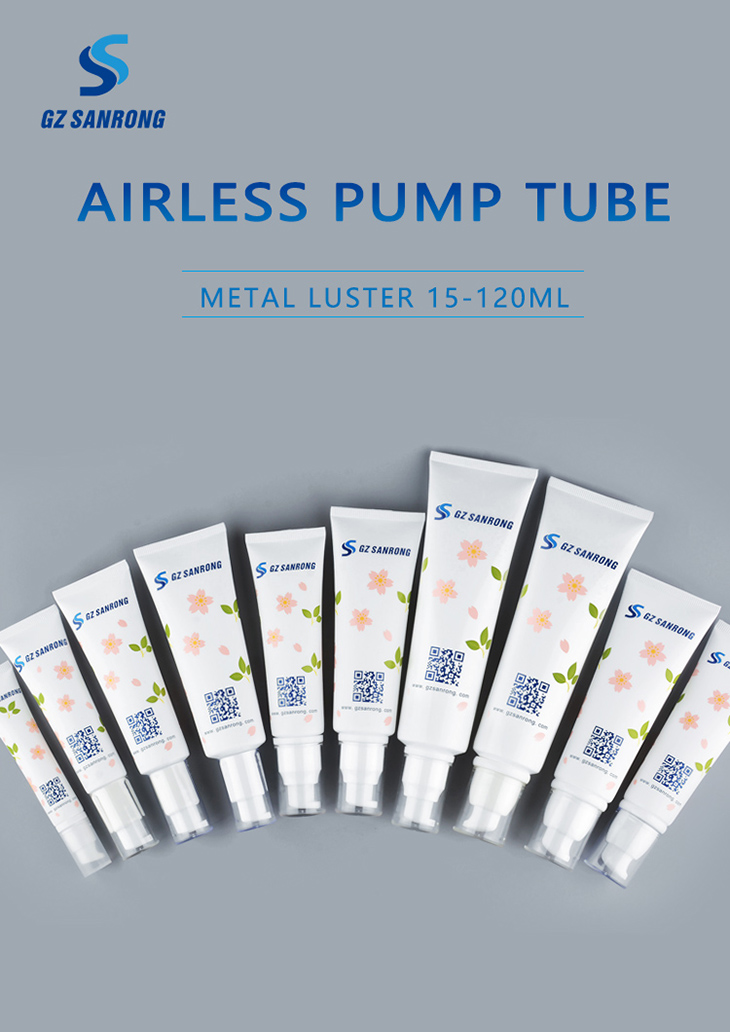
In a world where rigid environmental policies often clash with the dynamic needs of businesses, the true challenge lies in crafting solutions that adapt without compromising ecological integrity. Flexibility in environmental responsibility means designing systems that evolve with scientific understanding and market shifts, rather than imposing static rules that quickly become obsolete. It’s about embracing a mindset where sustainability is not a fixed destination but a continuous journey of improvement, allowing companies to pivot their strategies in response to new data, emerging technologies, and changing societal expectations. This approach fosters innovation, encouraging the development of products and processes that minimize environmental footprints while remaining economically viable. By prioritizing adaptability, we ensure that environmental stewardship becomes an enabler of progress rather than a barrier, proving that the most resilient solutions are those that can bend without breaking.
Practical implementation of flexible environmental responsibility often involves modular frameworks that let organizations tailor their efforts to specific contexts. Instead of one-size-fits-all mandates, we see the rise of customizable guidelines that account for regional ecosystems, industry-specific challenges, and temporal variables. For instance, a manufacturing plant might adjust its water recycling targets based on seasonal rainfall patterns, while a logistics company could switch to alternative fuels when supply chains allow. This agility not only enhances compliance but also builds trust with stakeholders who recognize genuine commitment over box-ticking exercises. Crucially, flexibility must be paired with accountability—transparent reporting and independent audits ensure that adaptability does not become a loophole for greenwashing. When done right, this balance creates a culture where environmental goals are met with creativity rather than constraint, turning potential conflicts into collaborative problem-solving.
Ultimately, where flexibility meets environmental responsibility, we discover that the two concepts are not at odds but mutually reinforcing. A flexible approach reduces the risk of burnout and resistance, making long-term sustainability more attainable. It acknowledges the complexity of ecological challenges and the diverse capacities of those striving to address them. By allowing room for experimentation and learning from failures, we accelerate the transition to a greener economy. This philosophy extends beyond corporate policy into everyday choices—from consumers adapting their habits to local food systems building resilience against climate shocks. The synergy between flexibility and responsibility is a testament to human ingenuity, showing that we can protect our planet without sacrificing the dynamism that defines our species. In this convergence, we find not a compromise, but a powerful pathway to a future where both people and nature thrive.
Materials That Perform and Protect the Planet
Every advancement in material science today carries a dual promise: to elevate product performance while actively healing our environment. We are moving beyond the era of compromise, where eco-friendly meant inferior. Instead, we're engineering solutions that outperform conventional materials in strength, durability, and functionality, all while leaving a positive footprint. From biodegradable composites that decompose without toxic residue to self-healing polymers that extend product lifecycles, innovation is being redefined.
The real magic happens when performance and planetary care are not trade-offs but a unified design principle. Consider building materials that capture carbon as they cure, textiles that purify air while you wear them, or packaging that nourishes the soil upon disposal. These aren't futuristic concepts—they are commercial realities changing industries today. By embedding ecological intelligence directly into the material itself, we eliminate the need for costly retrofits or separate recycling processes.
This shift isn't just about reducing harm; it's about creating net-positive systems where every product contributes to regeneration. The materials that lead this change are those that understand their entire lifecycle, from responsibly sourced raw ingredients to end-of-life scenarios that replenish rather than pollute. The future belongs to substances that don't just sit lightly on the earth but actively participate in its restoration.
Custom Solutions for Modern Brands
Every brand carries a distinct DNA, and off-the-shelf approaches rarely capture that essence. We start by listening—digging into your vision, audience, and market realities. The goal isn’t to force your brand into a pre-built box but to shape a framework that amplifies what makes you different, from messaging to visual identity.
Our process blends strategic thinking with hands-on creativity, whether you’re launching a new product or evolving an established name. We map out touchpoints that feel natural, not manufactured, ensuring consistency across platforms without sacrificing spontaneity. The result is a solution that feels like an extension of your team, not an outsourced template.
In a landscape crowded with noise, tailored execution makes the difference. Brands that thrive are those that refuse to blend in. By aligning your objectives with adaptable systems, we help you stay nimble and resonant—turning constraints into opportunities and casual viewers into loyal advocates.
Beyond the Tube: Shaping a Circular Economy
Moving beyond the conventional "take-make-dispose" model, a circular economy reimagines waste as a resource, keeping materials in use for as long as possible. This shift demands a fundamental redesign of how products are made, used, and recovered — from durable, repairable goods to closed-loop supply chains that prioritize regeneration over extraction. It’s not simply about recycling more; it’s about rethinking the entire lifecycle to eliminate waste at the design stage, ensuring that every component can be repurposed, remanufactured, or safely returned to nature.
In practice, shaping a circular economy means embedding circular principles into business models, policy frameworks, and everyday behaviors. Companies are exploring product-as-a-service models, where customers lease rather than own items, incentivizing manufacturers to build longer-lasting, easily updatable products. Meanwhile, cities are fostering sharing platforms and repair cafes, while governments introduce extended producer responsibility regulations that hold brands accountable for the end of life of their goods. These systemic changes create new economic opportunities, reduce dependency on volatile raw material markets, and slash carbon emissions tied to material extraction.
The transition to circularity also hinges on collaboration across industries and supply chains. One company’s byproduct becomes another’s feedstock, forming industrial symbiosis networks that mimic natural ecosystems. Digital tools like material passports and AI-driven sorting are making it easier to track and recover high-value materials from complex products. As we broaden the focus from individual products to entire systems, the circular economy becomes a powerful engine for resilience, innovation, and long-term prosperity — proving that what’s good for the planet can also be good for business.
Our Journey Towards Zero-Waste Packaging
It started with a simple question over coffee: why does something we use for minutes leave a footprint that lasts centuries? That moment sparked a series of small, deliberate changes in how we approached materials. Instead of chasing industry trends, we began experimenting with compostable wraps, reusable container programs, and even incentivizing customers to return packaging—often with mixed results, but always with a stubborn belief that better is possible.
Admittedly, the road wasn't smooth. Some materials that promised sustainability turned out to be worse in practice; a few of our early pilot projects flopped spectacularly. But each failure taught us something crucial about what truly works within our supply chain and communities. We refined, pivoted, and kept listening—to scientists, waste management workers, and our own frontline team.
Now, zero-waste isn't a distant goal we promote; it's embedded in how we design from day one. We've moved beyond just reducing plastic—we question every tape, label, and filler, and we're constantly iterating on systems that keep materials in use. The journey is far from over, but we're no longer just talking about waste. We're redesigning our relationship with it.
FAQ
We noticed that traditional packaging often sacrificed convenience for rigidity. Our team wanted to create something that could bend and squeeze easily while still protecting the product inside. That blend of usability and protection became our core mission.
It’s about material science. We use multiple layers, each chosen for a specific job—one for softness, another for strength. The result is a tube that feels pliable in your hand but can withstand drops and pressure without splitting.
We prioritize recycled content and design tubes that use less plastic overall. Our facilities run on renewable energy, and we’ve invested in closed-loop water systems. Plus, we’re exploring bio-based materials to further reduce our carbon footprint.
You’ll find our tubes in cosmetics, personal care, food, and even pharmaceutical products. Any industry that needs precise dispensing and a premium feel tends to turn to us. Lately, the craft and hobby market has been a surprising growth area.
It starts with listening—understanding what the client needs for their product’s texture, shelf life, and user experience. Then our engineering team prototypes a few layer combinations. We test for squeeze force, recovery, and seal integrity before finalizing the tooling.
We’ve re-engineered our extrusion lines to minimize scrap, and whatever scrap is generated gets reground and fed back into non-critical layers. Our trimming systems are laser-guided for precision, and we constantly monitor energy use per tube to squeeze out inefficiencies.
We’re working on fully mono-material tubes that are easier to recycle, and a new closure system that eliminates the need for separate caps. There’s also a pilot project for tubes that change color when the product is about to expire—smart packaging is coming.
It’s pretty straightforward. Reach out through our website with your product specs, and we’ll schedule a consultation. Our team will walk you through material options, printing capabilities, and timeline. Even if you’re a small startup, we’re happy to brainstorm together.
Conclusion
At Soft Plastic Tubes Company, rethinking packaging begins with a single tube—and a bold commitment to harmonize flexibility with genuine environmental care. Our materials are chosen not just for their strength and barrier performance, but for their ability to lighten the footprint of every product they protect. By collaborating closely with modern brands, we create custom solutions that answer real market demands while quietly advancing sustainability. It’s a philosophy where responsible design meets practical innovation, proving that high-performance packaging doesn’t have to come at the planet’s expense.
We think beyond the tube, actively building a circular economy from the inside out. Our zero-waste journey reaches deep into material selection, manufacturing efficiency, and end-of-life recovery—designing for recyclability without sacrificing convenience. It’s about closing loops, cutting waste, and reshaping what flexible packaging can achieve. Every tweak in our process brings us closer to a world where packaging serves its purpose and then gracefully rejoins the material cycle, leaving a positive mark on both business and the environment.
Contact Us
Contact Person: Alex Wu
Email: [email protected]
Tel/WhatsApp: 86-20-37965868
Website: https://www.gzsanrong.com/en.html