

Steering Wheel Covers Company Shares Practical Ways to Protect Your Wheel and Improve Comfort
2026-11-19
Your steering wheel takes more abuse than you think—sun damage, sweaty palms, and daily friction all leave their mark. While most drivers obsess over seat protection, the wheel quietly loses its grip and finish. That’s where a practical cover becomes more than an accessory. Red Rain focuses on solutions that actually fit, stay put, and feel right under your hands. From breathable materials to non-slip backing, the right cover can restore control and comfort in minutes. Before you settle for a worn or slippery rim, here are the simple ways to protect your wheel and make every drive noticeably better.
The Slow Fade Happening Right Under Your Hands
The fade doesn't announce itself. It shows up as a tool you reach for less often, a notebook buried under tabs, a pause in conversation that gets blamed on being busy. You still think of yourself as present, as engaged, because the changes are too small to measure in a single afternoon.
What makes this particular drift feel strange is the illusion of contact. Your hands are moving, decisions are being made, messages go out, but the texture of the work has gone smooth. The friction that used to tell you something mattered—ink on paper, a blade against wood, a person's voice catching before they speak—becomes something you skip without naming.
The way back doesn't start with a dramatic reset. It starts with a small refusal: put the phone in another room, sharpen the blade instead of replacing it, read the note before archiving it. Those tiny acts of friction return a sense of weight to your hands, and the fade begins to lose its hold once you stop pretending the smooth path was ever the point.
How a Snug Cover Changes Your Grip and Steering Feel
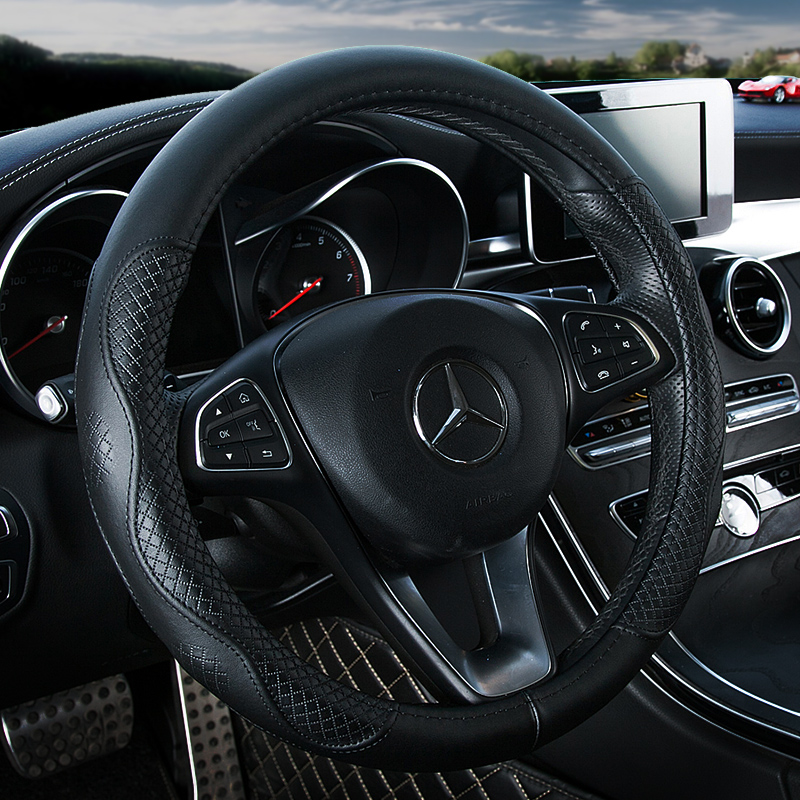
A snug cover adds just enough thickness to keep your fingers from wrapping too tightly around the rim. That slightly larger grip changes your hand posture, spreading pressure more evenly across the palm and reducing the dull ache that comes from clenching a thin wheel on longer drives.
You also notice a shift in feedback. The cover does not erase road texture completely, but it takes the sharpest buzz out of rough pavement. What remains is a steadier sense of front-tire load, which makes small mid-corner adjustments feel more deliberate instead of nervous.
The material plays a big part as well. A textured or suede-like surface gives your palms a more predictable purchase than slick factory leather, while a cover that fits without shifting keeps your inputs direct. Because there is no slip between the cover and the wheel, the steering answer matches what your hands actually ask for.
Choosing a Material That Handles Sweat, Sun, and Everyday Wear
Most fabrics look fine on a hanger but fall apart once real life gets involved. Sweat salts, UV exposure, friction from bags and seats, and repeated washing all take a toll. The material you pick needs to do more than wick moisture; it has to hold its shape and color when things get hot, damp, and rough.
Blended synthetics often handle this balancing act better than pure cotton. A knit with polyester or nylon brings quick drying and resistance to fading, while a touch of elastane keeps knees and elbows from bagging out. Look for a tight, smooth weave rather than something fuzzy or loosely knit, because open textures tend to catch on sharp edges and lose their finish faster.
That said, the right choice depends on how you actually move. If you are in and out of air conditioning, a lighter blend that breathes well will stop that sticky midday feeling. If you are outside for hours, prioritize a fabric with built-in UV resistance and enough structure to avoid clinging when you sweat. The goal is not a miracle material, but one that stays comfortable and presentable after dozens of wears, not just the first few.
Small Shifts in Comfort That Add Up on Longer Drives
It rarely comes down to one big change. The seat angle moved half an inch, a folded jacket behind the lower back, the armrest finally set low enough that the shoulder can drop. On a short trip none of it matters. After hour four, those small choices are the difference between arriving tired and arriving wrecked.
Most drivers chase the obvious fixes: more lumbar, softer cushion, different music. But the smaller nudges often do more. Point the center vent away from the eyes, shift the wallet to a front pocket, adjust the headrest so it actually touches the back of the head. Each adjustment feels trivial until you notice you are not doing the usual shuffle every twenty minutes.
The goal is not to make the seat feel like a lounge chair. It is to remove the tiny points of pressure that compound quietly. When the wrist rests instead of grips, when the knee has room to move, when the belt does not dig across the collarbone, the body stops fighting the cabin. That is when a six-hour drive starts to feel more like a routine than an endurance event.
Keeping Heat and Cold From Reaching Your Palms First
Most people don't realize how much temperature bleeds through the handle before it ever reaches the blade. A dense, low-conductivity core under the grip changes that entirely. It slows the transfer long enough that even after a full minute on ice or in direct sun, your hand still feels neutral. That extra buffer matters more than you'd expect when you're working without gloves.
The real trick isn't just insulation, it's separating your palm from the metal skeleton of the tool. Small air gaps and a textured composite sleeve do the heavy lifting here. They break the thermal bridge that would normally wick heat straight into your fingers. The result is a handle that stays comfortable through a wider range of conditions, whether you're breaking down boxes in a cold storage room or setting up equipment on a hot rooftop.
You'll notice the difference immediately if you're used to tools that turn icy in winter or almost too hot to hold in summer. This isn't about adding bulky covers or wrapping tape. It's about designing the grip so that extreme surface temperatures arrive slowly, softened, and without that sudden shock.
The Simple Install Habit That Protects the Wheel for Years
Most people never think about the tiny gap between the wheel hub and the axle until a stubborn wobble shows up weeks later. A thin smear of anti-seize on the mating surfaces takes less than ten seconds during install, yet it saves you from the rusty bond that turns a quick tire change into a hammer-and-prayer session. Skipping this step feels harmless in the moment, but the real cost arrives when you are kneeling in a parking lot, prying at a wheel that refuses to let go.
Torque is the other half of the habit, and it is where a lot of installs quietly fail. Many people lean on an impact gun until the socket stops, assuming tight is tight. Instead, run the lugs down in a star pattern by hand first, then finish with a torque wrench set to the factory spec. This even, staged pull keeps the wheel centered and prevents the slow distortion that leads to vibration at highway speeds. A few extra minutes now means you will not be chasing a shimmy that seems to have no source.
The habit sticks because it costs almost nothing and asks very little of you. Once you get used to the feel of clean threads, a thin coat of anti-seize, and a final click from the torque wrench, it becomes automatic. Years later, when the wheels come off without drama and the rotors sit flat instead of warped, you will not even remember the handful of installs where this routine saved you from a long afternoon and a bigger bill.
FAQ
A bare wheel picks up scratches, UV dulling, and temperature extremes faster than people expect. A good cover adds a replaceable layer that keeps the original rim clean and gives you a warmer or cooler grip depending on the material.
For daily use, silicone and polyurethane blends tend to handle sweat, hand lotion, and sun better than thin leatherette. Genuine leather looks sharp but needs occasional conditioning. Microfiber is soft and breathable but may show wear sooner if you drive with rings.
Measure the wheel from outer edge to outer edge across the center, then check the cover's stated diameter range. If your wheel has a thick sport rim or paddle shifters, choose a cover that explicitly fits thicker grips and leaves the paddles accessible.
It can, especially on already thick rims. Look for low-profile stitching and stretch-fit designs that add grip without turning the wheel into a foam cylinder. Trying a slightly smaller size is not safe, so stay within the recommended range.
Yes. In summer, breathable mesh or light-colored fabric covers stay cooler than black leather. In winter, neoprene or suede-like linings feel less icy at first touch. The effect is modest, but it changes the first few minutes of a drive in extreme weather.
Every two to four weeks works for most drivers. Use a damp microfiber cloth with a little mild soap, then wipe again with plain water. Avoid alcohol-heavy cleaners and armor-type sprays, because they can dry out the surface or leave a greasy film.
It can, as long as you pick a cover that leaves the button zones and thumb grips uncovered. On heated wheels, thin covers allow more heat to pass through, but heating time may still be a bit longer. Check the cover does not pinch wiring near the spokes.
Replace it when you notice deep cracks, peeling on the inner grip surface, loose elastic that lets the cover slip, or a polished feel that no longer improves control. A slipping cover is a safety issue, not just a style one.
Conclusion
Most drivers only notice the wear on a steering wheel once the top layer has already gone smooth or started to flake, but the damage usually begins much earlier through sweat, UV exposure, and the friction of repeated hand movements. A tight-fitting cover changes the feel immediately by adding a slightly thicker diameter and a more controlled surface, which can make steering inputs feel steadier instead of slippery. The material matters just as much as the fit. Breathable fabrics and covers with a textured inner lining tend to handle daily heat, sunscreen residue, and damp palms better than cheap vinyl, so the cover stays secure and does not become sticky after hours behind the wheel.
On longer drives, the benefits are less dramatic but still noticeable. A modest amount of cushioning reduces the pressure that builds up in the heel of the hand, and a warmer or cooler surface keeps extreme temperatures from hitting the palms before the cabin climate catches up. These are small changes on their own, yet they add up when the same route is driven week after week. The habit of removing the cover occasionally and wiping down the rim underneath also helps preserve the original stitching and finish. None of this requires special tools or much time, but over several years that simple routine tends to leave the wheel in better shape than leaving it bare and unprotected.
Contact Us
Contact Person: Ms. Zhu
Email: [email protected]
Tel/WhatsApp: 86-15906860931
Website: https://www.redrainseatcovers.com