

Sustainable Chemical Equipment & Technology: Innovations for Eco-Friendly Manufacturing
2026-11-16
Chemical plants have long been symbols of heavy industry—smokestacks, waste streams, and resource-hungry processes. But that image is quickly becoming outdated. A quiet revolution is underway, driven by sustainable chemical equipment and smart technologies that slash energy use, recover valuable materials, and redesign manufacturing from the ground up. This blog dives into the innovations making eco-friendly production a reality, not just a goal. From closed-loop solvent systems to modular, low-emission reactors, the toolkit is expanding fast. And if you want to see these breakthroughs firsthand, ICIF brings the latest in sustainable chemical technology into one place—where the future of manufacturing is already taking shape.
Greener Reactors That Rethink Stirring, Not Just Scale
For decades, scaling up chemical reactors meant bigger tanks, stronger motors, and more aggressive mixing to keep reactions uniform. But brute-force stirring often wastes energy, creates hot spots, and drags along inefficiencies that undercut any gains from sheer volume. A quieter shift is underway: instead of asking how large a stirrer can get, engineers are reimagining how fluids actually move inside a vessel. This means looking past the traditional spinning impeller and toward methods that coax better mixing with far less input, opening the door to reactors that are both smaller in footprint and gentler on the environment.
One promising route replaces constant, high-shear agitation with pulsed or oscillatory flows. By rhythmically reversing direction or using baffles that force fluid through narrow channels, these designs achieve rapid blending without dead zones, even in laminar regimes where conventional stirring would fail. Another idea borrows from microfluidics: splitting and recombining streams repeatedly to multiply interfacial area for mass transfer. Such techniques don't just cut energy bills—they also reduce the formation of byproducts caused by uneven temperature or concentration gradients, which often demand extra purification steps and solvents.
The green payoff shows up in real metrics. Lower stirring energy directly shrinks electricity demand, while better heat and mass distribution allows reactions to run at milder temperatures and pressures. That in turn reduces the need for cooling water, cuts solvent usage, and shortens cycle times. Perhaps most telling, these reactors can achieve the same output as a much larger stirred tank but with a fraction of the material and energy input. By rethinking the simple act of stirring, chemical manufacturing is finding that greener processes don't always require grand scale—just smarter motion.
Membranes That Separate Solvents Without Burning Extra Energy
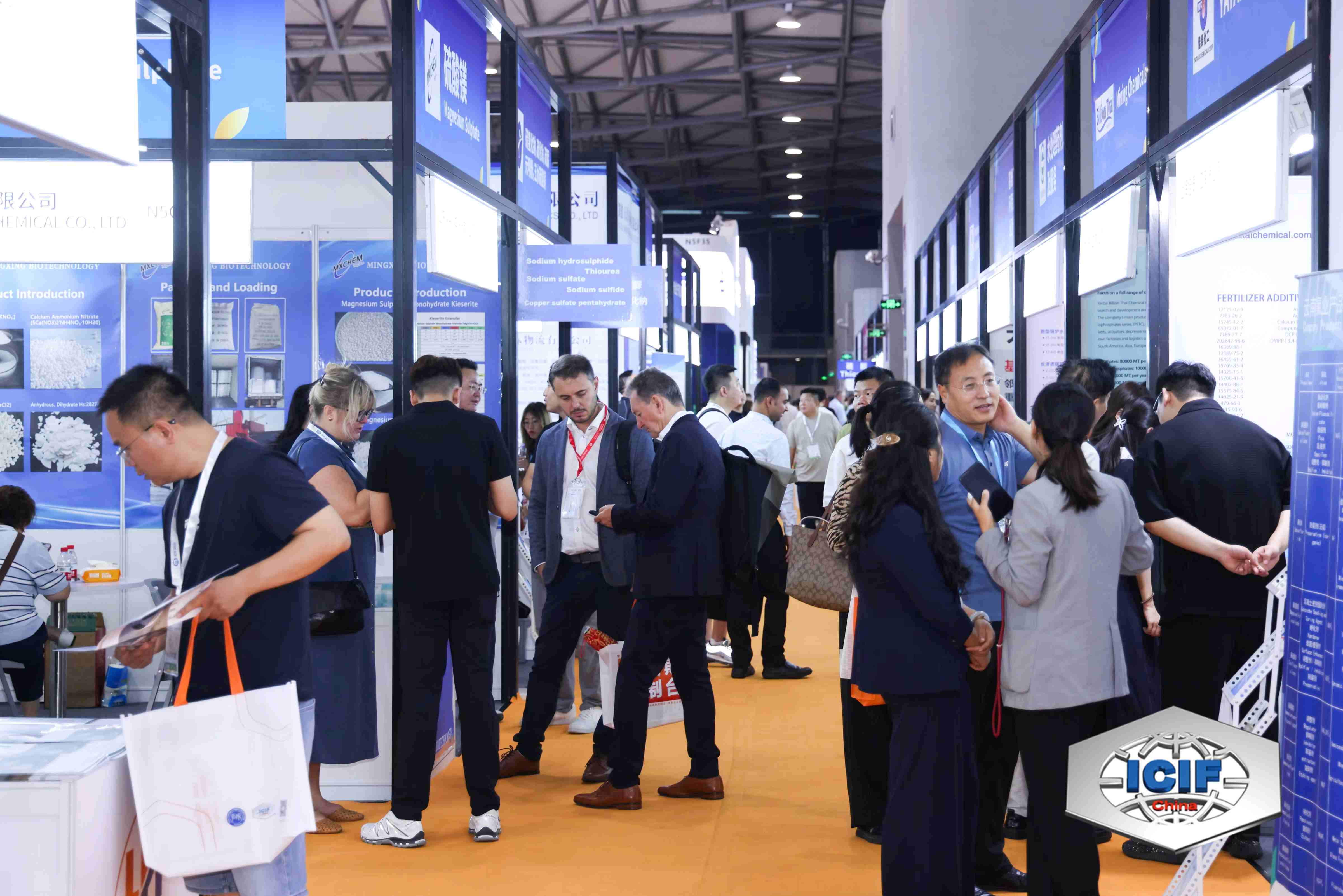
Traditional solvent separation leans heavily on distillation, which guzzles heat and forces liquids through repeated phase changes. Membrane-based alternatives flip that logic by using selective barriers that let target molecules pass while holding others back—no boiling required. A well-tuned polymer or ceramic membrane can split close-boiling solvent mixtures at ambient temperature, driven only by a modest pressure difference.
The energy savings come from avoiding latent heat entirely. Instead of vaporizing and recondensing entire batches, membranes exploit differences in molecular size, polarity, or affinity. For example, a thin polyimide layer can recover acetone from water or separate toluene from methanol with a fraction of the electricity that a distillation column would demand. This makes the approach especially attractive for heat-sensitive compounds and solvent recycling loops in pharmaceutical or fine-chemical production.
Recent material advances are pushing the limits further. Mixed-matrix membranes, graphene oxide laminates, and crosslinked organic networks can now withstand aggressive solvents while maintaining sharp selectivity. The result is a quieter, room-temperature separation step that trims both operating costs and carbon footprint without sacrificing throughput.
From Spent Catalysts to Second-Life Feedstocks
Spent catalysts, once considered an end-of-life waste stream, are quietly becoming a critical source of strategic metals. Refineries and chemical plants generate thousands of tonnes of these exhausted materials each year, loaded with nickel, molybdenum, vanadium, and platinum-group metals. Rather than shipping them to landfill or downcycling into low-value fillers, a growing number of operators are treating them as urban ore—feedstocks ready for a second act.
The shift isn't just about economics, though metal prices make recovery attractive. It's about redesigning material flows so that the chemical complexity locked inside a deactivated catalyst doesn't become an environmental liability. Advanced hydrometallurgical and pyrometallurgical routes can now pull out individual metals with surprising selectivity, turning a spent hydrotreating catalyst into battery-grade nickel sulfate or fresh catalyst precursors. Some facilities even feed the recovered oxides directly back into catalyst manufacturing, closing a loop that used to leak value at every step.
What makes this moment different is the convergence of stricter waste regulations, higher purity demands from downstream users, and digital tools that track catalyst lifecycles in real time. Instead of a linear path from cradle to grave, spent catalysts are now entering a second life as feedstocks for alloys, electrodes, and new catalytic materials. The transition isn't seamless—contaminants, logistics, and variability still pose real challenges—but the direction is clear: yesterday's waste is becoming tomorrow's raw material.
Low-Temperature Routes to Common Chemical Building Blocks
Conventional routes to chemical building blocks like ethylene, ammonia, and methanol lean heavily on high temperatures and pressures, which inflate energy costs and force centralized production. Low-temperature alternatives are changing that calculus. Electrochemical CO₂ reduction, for instance, can generate ethylene and ethanol at near-room temperature using modified copper catalysts, sidestepping the 800°C furnace conditions of steam cracking. Enzymatic routes go even cooler: engineered microbes convert glucose into acrylic acid precursors below 40°C, preserving functional groups that would degrade in thermal processes.
Ammonia synthesis offers a striking example of the shift. The century-old Haber-Bosch process runs at 400–500°C, but plasma-assisted nitrogen fixation and mechanochemical looping now produce ammonia at under 100°C with meaningful yields. Methanol production benefits similarly: low-temperature copper-zinc-alumina catalysts shift the equilibrium toward product, shrinking recycle streams and cutting separation loads. Since heat integration often drives capital expenditure in chemical plants, these cooler routes enable smaller, modular facilities that can operate closer to feedstock sources or demand centers.
Inline Analytics That Catch Waste Before It Happens
Waste rarely announces itself with a red flag. It hides in small drifts: a machine running slightly hot, a batch taking two minutes longer than yesterday, a spike in material scrap that nobody notices until the monthly report. Inline analytics change that by moving the observation point directly into the workflow. Sensors and edge processors read pressure, vibration, temperature, or fill levels as they happen, comparing each second against the expected pattern. When the numbers bend away from normal, the system doesn't wait for a scheduled check. It flags the drift while there is still time to adjust.
The real advantage is not the alert itself but the context. A good inline system knows that a one-degree rise in a pump bearing means something different before lunch than after a shift change. It pairs the reading with the specific machine, the current product, and the last maintenance action, so the team gets a meaningful nudge instead of another dashboard to watch. This turns early signals into small corrections: a filter cleaned, a feed rate trimmed, a seal replaced before it cracks. Waste gets intercepted at the stage where it is still just a possibility.
Over time, these quiet interventions add up. Yield improves without heroic overhauls, energy use flattens, and rework stops being accepted as normal. Operators begin to trust the stream of matched data because it respects their rhythm: no false alarms in the first days, no endless logs. Inline analytics earn their place by catching the waste that would have looked like a mystery in the end-of-week variance report, and doing it early enough for a simple fix.
Plant-Wide Retrofits With Payback in Under Two Years
Most plant managers assume a serious efficiency overhaul means shutting down lines for weeks and waiting half a decade to see returns. That assumption is exactly why so few facilities pursue plant-wide retrofits even when the math is compelling. In practice, a focused retrofit that targets compressed air leaks, oversized pump motors, and outdated lighting can often pay for itself within 18 to 24 months — without touching core production equipment. The key is sequencing: start with the systems that bleed energy continuously, then reinvest those immediate savings into higher-cost upgrades like heat recovery or variable frequency drives.
A mid-sized food processing plant in Ohio demonstrated this approach when it replaced 43 aging air handling units and added occupancy-based controls across its packaging hall. The total project cost came to $1.2 million, but the utility rebates and demand reduction cut the net outlay to $780,000. Within 22 months, the plant had recovered every dollar through lower electric and gas bills, and the maintenance team reported fewer emergency calls because the new equipment ran at stable loads. No production days were lost — the retrofit work happened during scheduled changeovers and weekend shifts.
The real differentiator, however, is not the technology but the audit methodology. Instead of a generic energy audit that produces a 200-page report no one reads, successful plants use a "treasure hunt" format where mechanics, operators, and engineers walk the floor together for two days, tagging every source of waste with a cost estimate and a simple payback calculation. This co-created list becomes the retrofit roadmap, and because the people who will maintain the new systems helped choose them, the savings don't evaporate after the consultant leaves. A foundry in Indiana used this method and found that 70% of its retrofit opportunities had a payback under 12 months, while the remaining 30% funded themselves from the early wins.
FAQ
True sustainability goes beyond a green sticker. You have to look at the full lifecycle: whether the equipment uses corrosion-resistant materials that last longer, how much energy it draws during operation, whether it can be easily disassembled for recycling, and if it enables solvent recovery or waste reduction in the actual process. A stainless steel reactor might look durable, but if it requires frequent reheating and cooling cycles, its embodied and operational carbon can outweigh the benefits.
Flow reactors give you much tighter control over temperature, pressure, and residence time, which means fewer side reactions and less off-spec product that gets thrown away. They also allow for in-line separation and solvent recycling, so you're not constantly cleaning out a big vessel between batches. Because the equipment is smaller for the same output, it uses less material to build and takes up less plant space, reducing the overall footprint.
Membrane-based separations are replacing energy-hungry distillations for many liquid and gas mixtures, cutting energy use by up to 90% in some cases. Supercritical CO2 extraction is also gaining ground because it avoids toxic organic solvents and leaves no residue. Simulated moving bed chromatography, once a niche technique, is now being used for chiral separations in pharma, dramatically reducing solvent consumption compared to batch elution.
It's already working in several industrial processes. 2-methyltetrahydrofuran and cyclopentyl methyl ether are bio-derived solvents that have replaced tetrahydrofuran and dichloromethane in some pharmaceutical and fine chemical syntheses. The key is not just swapping the solvent, but re-engineering the recovery and purification loop, since many bio-based solvents have different boiling points and azeotrope behavior. When done properly, the switch can reduce toxicity and greenhouse gas emissions without sacrificing yield.
Process intensification combines multiple unit operations into a single piece of equipment or uses novel reactor designs like spinning disk reactors and microreactors to boost heat and mass transfer. This means you can run reactions at milder conditions, use less energy for heating and cooling, and shrink the plant size dramatically. A smaller plant requires less steel, concrete, and piping, which translates to lower embodied carbon and easier maintenance.
A reliable approach is a full lifecycle assessment that accounts for raw material extraction, manufacturing, shipping, installation, operational energy and water use, maintenance, and end-of-life recycling or disposal. Don't just look at the nameplate efficiency; consider how the equipment behaves under partial load, whether it enables heat recovery, and how often consumable parts need replacing. Sometimes a slightly less efficient but far more durable unit has a lower total carbon footprint.
One often overlooked waste is excessive reflux ratios in distillation columns, where you re-boil and re-condense the same liquid many times over. New designs using heat-pump assisted distillation or dividing wall columns cut that energy demand by 30-50%. Another is throttling losses from constant-speed pumps, which can be fixed with variable frequency drives. Even the idle time of batch reactors between operations is being targeted through modular continuous skids that keep material moving.
Conclusion
The push toward eco-friendly manufacturing is changing the way chemical plants think about core equipment, moving beyond incremental tweaks to redesigns that cut waste at the source. Greener reactors now question the assumption that bigger always means better; by rethinking stirring patterns and flow geometry, they achieve faster mixing and heat transfer without the energy penalty of simply scaling up. This same spirit shows up in separation steps, where advanced membranes handle solvent recovery at ambient temperatures instead of relying on energy-intensive distillation columns. The result is a quieter, cooler, and far less wasteful process floor. Meanwhile, spent catalysts—once treated as hazardous waste—are being reimagined as second-life feedstocks. Rather than shipping them off for disposal, plants can recover active metals or repurpose the porous supports, closing a loop that used to leak both value and environmental burden.
On the chemistry side, low-temperature routes are opening doors to common building blocks that once demanded high heat and pressure. Catalysts and electrochemical pathways let reactions proceed under mild conditions, slashing fuel consumption and byproduct formation. Inline analytics add another layer of prevention: real-time sensors and spectroscopic tools watch reaction progress and impurity levels continuously, so operators can adjust parameters before off-spec batches accumulate. This shift from post-mortem quality control to live process tuning avoids rework and excess raw material use. Finally, plant-wide retrofits are proving that sustainability need not wait for a greenfield build. Heat integration, variable-speed drives, and modular equipment swaps routinely pay back their capital in under two years while shrinking carbon footprints. Together, these innovations show that eco-friendly manufacturing is less about sacrifice and more about smarter design—where every kilowatt, solvent molecule, and catalyst particle earns its place.
Contact Us
Contact Person: Shaozhen Zhou
Email: [email protected]
Tel/WhatsApp: 0086-18612117599
Website: https://en.icif.cn/