

Telescopic Water Bottle Manufacturer Guide to Finding a Trusted Supplier
2026-11-16
You've probably seen telescopic water bottles that look great in photos but leak after a week. The difference between those and a product people actually reorder usually comes down to the factory behind it. This guide breaks down what to check in a telescopic bottle manufacturer—and how Qunhao stacks up against those checks.
Reading Between the Factory Lines: What Spec Sheets Won't Tell You
Spec sheets are seductive in their precision—tolerances to the micron, torque curves plotted to the decimal, material grades listed with confident alphanumeric codes. Yet every experienced buyer eventually learns that these documents are edited narratives, not lab reports. The missing margins are where the real story lives: the heat treatment skipped on a cold Monday morning, the batch of bearings from a sub-supplier nobody audited, the surface finish that looks fine under showroom lights but wears differently after six months of real dust and vibration. What’s absent from the page is often the difference between a component that meets its rated life and one that fails quietly at the worst possible moment.
The factory floor has its own dialect, and it rarely matches the syntax of a marketing-approved PDF. A line like “ISO 9001 certified” tells you about a paperwork system, not whether the night shift foreman checks critical dimensions or whether the CNC machine was last calibrated during the previous administration. Walk through a plant and you’ll notice things no spec sheet can quantify: the smell of cutting fluid, the organization of tool cribs, the way rejected parts are handled. These physical details reveal a culture of care—or its absence—that directly predicts long-term reliability. A factory that hides its scrap bin is already telling you more than any tolerance chart ever could.
Experienced engineers learn to read between the factory lines by asking questions that make sales reps uncomfortable. What happens to parts that fall just inside the upper spec limit? How often do you re-qualify your raw material suppliers? Can I see the actual production fixture, not the prototype one? The answers—or the hesitation before them—expose the gap between what’s promised and what’s actually shipped. In a world where every datasheet looks identical after enough editing, the only true differentiators are the habits no one bothers to write down.
The Silicone Seal Test Every Buyer Should Demand
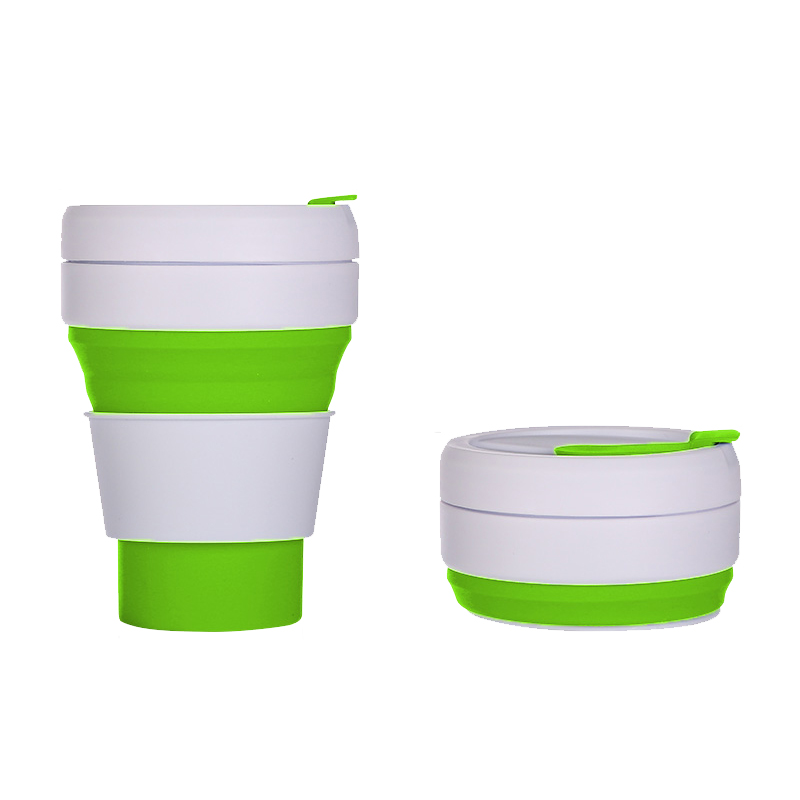
Most suppliers will talk about “premium materials” and “food-grade silicone.” None of that matters if the seal can’t recover its shape. Ask for a compression set test under real heat, not room temperature. A decent seal should lose less than 15% of its original thickness after being clamped at 150°C for 70 hours. Anything worse and you’re buying a gasket that leaks once the engine block warms up.
You can also run a crude version on your own. Pinch a cross-section of the seal hard between your fingernails for thirty seconds. When you let go, the mark should disappear almost immediately. If the dent lingers or the silicone feels tacky, it’s already breaking down. Put the same piece in a freezer overnight, then bend it. It shouldn’t crack or stiffen like cheap vinyl.
Finally, demand the actual lab report—not a spec sheet the sales rep copied from a brochure. Look for the batch number, test date, and the specific grade of silicone. If they won’t share it, there’s a reason. A real seal is cheap insurance until it isn’t, and the only way to know is to make them prove it before you sign.
Why a Prototype Beats a Portfolio Photo Every Time
A portfolio photo freezes a moment—a finished product, perfectly lit and staged. But a prototype invites someone to touch, click, or scroll through the idea itself. It demonstrates how the design behaves when a real user interacts with it, something a static image can never convey. When a client or employer sees a working model, they don't just admire the surface; they experience the logic, the flow, and the small decisions that make the product feel intuitive.
Photos often hide the messy middle: the failed iterations, the user feedback loops, the trade-offs. A prototype, even a rough one, puts that process on display. It says, "Here's what I tested, here's what I learned, and here's why this version works." That transparency builds more trust than a polished screenshot ever could. It shows you can actually build something, not just decorate it.
Most importantly, a prototype communicates momentum. A portfolio photo says the project is done and frozen. A clickable or tappable demo suggests the work is alive—ready for feedback, iteration, or real-world use. In a stack of applications, the person who shows a functioning prototype is the one who seems one step away from shipping, not just presenting.
Negotiating Minimum Orders Without Getting Stuck
Minimum order quantities can feel like a brick wall when you're trying to test a new supplier or keep inventory lean. Instead of accepting the first number thrown at you, ask what drives it — setup costs, packaging runs, raw material batches. Once you know the real constraint, you can offer a trade-off that doesn't just beg for a discount but solves the supplier's problem. For example, suggest a higher unit price on a smaller first run, or agree to a slightly longer lead time so they can batch your order with another client's.
Another route is to shift the conversation from "can you lower the MOQ" to "what can we adjust together?" Propose a phased order: start with a sample-sized or pilot quantity, then commit to a larger reorder within a set window. That gives the supplier a forecast they can plan around, while you avoid sinking cash into stock you haven't validated. If they still hesitate, ask whether they can hold the excess as semi-finished goods, so you only pay for the final assembly when demand materializes.
When the supplier truly won't budge, consider pooling demand. Team up with a non-competing business that uses similar materials or products, or work through a distributor who already breaks bulk. Sometimes the best negotiation isn't about forcing a yes, but finding a path where the minimum no longer applies to you.
Red Flags in Communication That Predict Late Deliveries
One early warning is when a vendor or teammate stops asking clarifying questions after you've shared specs. Silence can feel like agreement, but it usually means they haven't opened the files yet. Projects slip when assumptions replace back-and-forth about edge cases, dependencies, or missing assets.
Another signal is the shift from specific dates to vague language. Should be fine by mid-next week or we're aiming for soon replaces a named day and time. When you press for a concrete milestone and get a range or a joke about moving parts, that's a delay already being soft-launched.
Watch for sudden changes in who answers messages. If the main contact stops replying and a junior or account manager starts forwarding updates, the team may be in firefighting mode. Late deliveries rarely come as a surprise; they leak through these small communication shifts first.
Locking in a Supplier After the First Shipment
After that first shipment lands without a hitch, many buyers simply move on to the next order and forget the supplier until they need something else. But the real leverage lies in locking them in early. A supplier who has already navigated your specifications, your quality checks, and your payment timeline is far cheaper to retain than to replace. A quick email confirming the shipment was received in good condition, plus a note on what worked well, sets a tone of partnership rather than transaction.
Then ask about their capacity for the next quarter. Not as a threat, but as a practical inquiry: “We’re planning ahead — can you reserve X units per month for us if we confirm by Friday?” Suppliers like predictability as much as you do. Offer a rolling forecast in exchange for a modest price lock or priority scheduling. That small commitment often turns a one-time seller into a dedicated line for your business.
Finally, schedule a short call or video meeting after the first shipment to review any hiccups and agree on a streamlined process for the next order. Could be as simple as agreeing on a shared tracking sheet or a fixed inspection point. When both sides invest even thirty minutes in improving the next cycle, the relationship shifts from “vendor” to “operating partner.” Locking in is less about contracts and more about making it easier for them to say yes to you again.
FAQ
Look beyond the website. Ask for their business license, export records, and any third-party audit reports. A quick video call showing their production floor can tell you more than a polished brochure. Also confirm they actually own the molds for telescopic designs, not just reselling generic bottles.
Request raw material certifications like FDA, LFGB, or EU food-grade compliance for the silicone and plastic components. Ask for migration test reports for acidic and hot liquids. If possible, order a pre-production sample and do a squeeze-and-stretch test repeatedly to check for cracking or clouding.
It varies, but many mid-sized manufacturers start around 500 to 1,000 units per color or design. Be wary of factories that offer extremely low MOQs like 50 pieces; they might be trading companies or using off-the-shelf molds. A genuine factory can often negotiate lower MOQs if you pay a mold fee or accept longer lead times.
Yes, but not all. Some specialize in standard telescopic cylinders only. If you need a square, oval, or ergonomic profile, ask to see previous custom mold projects and their in-house mold shop capabilities. A manufacturer with CNC and EDM equipment can usually turn a new mold in 30-45 days.
Look for ISO 9001 for quality management, and product-specific certifications like FDA, LFGB, or BPA-free test reports. If exporting to Europe, they should understand EU Regulation 1935/2004. Don't just accept a certificate image; verify the validity date and scope through the issuing body's website.
Clarify what's included in the unit price. Common extras are mold opening fees, printing plate charges, drop testing costs, and palletizing. Ask for a detailed quotation that breaks down tooling, sampling, production, packaging, and shipping. Also confirm if the price includes any custom logo printing or if that's per color.
After sample approval, expect 25 to 40 days for a standard order of a few thousand units. If a new mold is required, add another 30-45 days before production starts. During peak seasons like summer or before trade shows, lead times can stretch, so always confirm the factory's production schedule in writing.
Send a detailed inquiry and see how they respond. A trustworthy manufacturer will ask clarifying questions about your target market, usage scenarios, and volume instead of just sending a price list. After ordering, check if they provide an inspection report before shipment and how they handle defects—do they offer replacements or credit notes?
Conclusion
Spec sheets for telescopic water bottles rarely mention the leaks that show up three weeks into daily use. Ask for a batch sample, pop the cap off and pinch the silicone seal between your fingers—if it feels thin, uneven, or has visible mold lines, you will be replacing caps sooner than you would like. A prototype you can drop on concrete beats any glossy portfolio photo. Request one with the exact threading and spring tension you plan to sell, not a look-alike model from last year. Then talk minimum orders with a clear head: start with a run that lets you test real demand, but do not get locked into a number that leaves your garage full of unsold bottles.
Watch how the supplier handles small requests before you sign. If they dodge questions about lead times, change their answer when you ask twice, or disappear for days after you mention quality checks, treat that as a forecast of late deliveries and missing cartons. Once the first shipment arrives, do not relax. Inspect a random sample from different boxes, check the cap torque against your prototype, and run the bottles through a dishwasher cycle before you commit to a second order. A trustworthy telescopic bottle manufacturer proves itself in the boring details—consistent wall thickness, clean collar welds, seals that bounce back after compression. Lock in only after that first container earns its place, not before.
Contact Us
Contact Person: Cecilia
Email: [email protected]
Tel/WhatsApp: 8619057488653
Website: https://silwatbottle.com