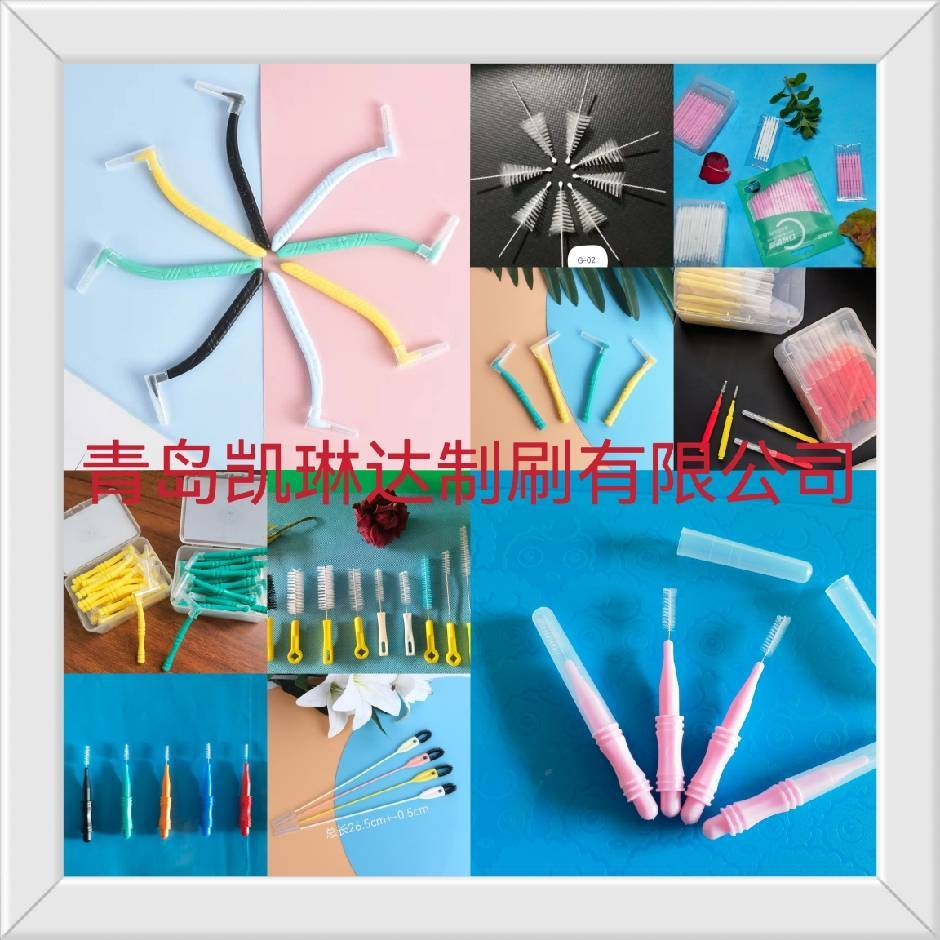

Top Orthodontic Interdental Brush Supplier: A Guide to Quality and Reliability
2026-06-27
Finding the right interdental brush for orthodontic care can be a challenge, but it’s essential for maintaining healthy teeth and gums. With countless suppliers on the market, how do you identify one that offers both quality and reliability? In this guide, we explore what sets a top supplier apart and why KLDZS has become a trusted name for dental professionals and patients alike.
Understanding Orthodontic Interdental Brushes and Their Role
Orthodontic interdental brushes are tiny, specialized brushes crafted to maneuver around brackets, wires, and bands—areas where regular toothbrushes often fail to reach. Unlike standard brushes, these tools feature slender handles and angled or tapered bristle heads that slip effortlessly into tight spaces, dislodging food debris and plaque that accumulate around orthodontic hardware.
Their role goes beyond simple cleaning. By targeting the crevices between teeth and appliances, they help prevent white spot lesions, gum inflammation, and bad breath—common issues during orthodontic treatment. Regular use can also reduce the risk of decalcification, which can permanently mar the enamel once braces are removed, making them an essential part of any braces care routine.
What sets them apart from generic interdental brushes is their thoughtful construction: many come with flexible necks that maintain access without damaging delicate archwires, and some even have coated wires to protect against scratching. Incorporating these brushes into a daily regimen complements flossing and rinsing, ensuring that oral hygiene remains effective and comfortable throughout the months or years of treatment.
Key Features That Define a High-Quality Supplier
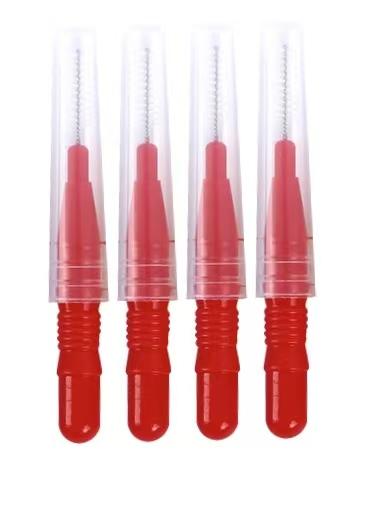
A truly dependable supplier doesn’t just fill orders—they act as a seamless extension of your own operations. The first sign of quality is proactive communication: you’ll notice they ask clarifying questions before production begins, offer honest lead times, and keep you updated without needing to be chased. They treat every interaction as a chance to prove their reliability, not just a transaction to close.
Beyond timely updates, top-tier suppliers distinguish themselves through rigorous quality control that goes beyond checking boxes. They catch potential defects before they reach your doorstep, often spotting issues you hadn’t considered. Whether it’s raw material sourcing, in-process inspections, or final audit trails, their standards are consistently higher than the bare minimum. This isn’t about flashy certifications—it’s about a mindset where cutting corners is never an option.
Finally, flexibility and depth of capability set the best apart. When market demands shift or unexpected hurdles arise, a high-quality supplier pivots with you instead of hiding behind rigid processes. They’ll offer alternatives, scale production up or down without drama, and invest in understanding your long-term goals. These suppliers become strategic partners whose expertise you lean on, not just vendors you swap out for a lower price.
Material Selection and Design Innovation
Choosing the right material often dictates the very soul of a design. It’s not just about picking something sturdy or cheap—it’s about understanding how a material behaves under stress, how it ages, or even how it catches the light. A designer who ignores these nuances ends up with a product that feels generic, no matter how clever the shape.
Innovation happens when we push materials beyond their typical applications. Take carbon fiber: once reserved for aerospace, it now shows up in furniture and consumer electronics because someone asked, “What if?” That kind of curiosity transforms not just the object, but the entire user experience, making things lighter, stronger, or more tactile in unexpected ways.
But there’s a delicate balance. Over-engineer the material choice and you risk alienating users with something that feels cold or industrial. Underthink it, and the design falls apart—literally. The sweet spot lies in materials that connect with people on a sensory level, whether that means the warm grain of wood or the satisfying click of a precision-machined metal part.
Reliability Through Manufacturing Standards
When a component rolls off the line, its future performance hinges on the rigor embedded in every step of production. It’s easy to assume that meeting a design spec guarantees reliability, but the real difference shows up in the unglamorous details: how tightly a tolerance is held across thousands of units, whether the soldering parameters drift at 2 a.m. on a weekend shift, or if the supplier’s raw material lot actually matches the certification on file. Strong manufacturing standards aren’t just a checklist—they’re a living practice that catches drift before it becomes a failure. For instance, inline optical inspection systems don’t simply flag obvious defects; they profile subtle pattern shifts that, left unchecked, would erode field performance months later.
Consistency is the quiet force behind real-world trust. When a product performs identically in Helsinki and Ho Chi Minh City, it’s not luck—it’s the residue of process discipline that spans supplier audits, statistical process control, and regular destructive testing far beyond what any datasheet asks for. These standards often exceed ISO baselines, incorporating humidity soak tests, vibration profiles lifted from actual installation sites, and burn-in cycles that mirror years of service. Over time, this approach builds a body of production data that feeds back into design tweaks, tightening the loop between the factory floor and the engineering lab. The result isn’t just a reliable unit—it’s a manufacturing lineage where every batch teaches the next one how to be better.
Tailored Solutions for Different Patient Needs
Every patient brings a unique story, and their treatment shouldn’t be any different. We focus on crafting care plans that align with individual lifestyles, preferences, and medical histories. By blending clinical expertise with genuine empathy, our approach adapts to what each person truly requires—whether that means flexible scheduling, alternative therapies, or extra support at home. It’s not a one-size-fits-all model; it’s a commitment to seeing the patient as a whole person.
Behind each solution is a collaborative process involving patients, families, and our team. We break down complex medical needs into manageable steps, always leaving room for adjustments as lives and conditions evolve. The goal isn’t just to treat a symptom but to build a sustainable path forward that respects personal boundaries and ensures comfort at every stage.
Building Long-Term Trust with Your Supplier
Trust isn’t something that appears overnight—it grows from consistent, honest interactions over time. When you treat a supplier as a genuine partner rather than just a vendor, you set the stage for mutual reliability. This means sharing your long-term goals openly, discussing challenges before they become crises, and showing appreciation for their expertise. Small gestures, like acknowledging a job well done or providing constructive feedback, add up to a relationship where both parties feel valued and understood.
A dependable partnership also requires clarity on both sides. Agree on realistic expectations for quality, timelines, and communication channels from the start, and revisit these terms as your business evolves. When issues arise—and they will—focus on solving problems together instead of pointing fingers. Suppliers who see you as fair and reasonable are far more likely to go the extra mile during tight deadlines or unexpected shortages. Over time, this problem-solving dynamic builds a foundation that can weather market shifts and operational hiccups.
Finally, remember that long-term trust is sustained by consistency, not grand gestures. Regularly honoring your commitments—whether it’s paying on time, providing accurate forecasts, or respecting their expertise—speaks volumes. Invite their input on product improvements or cost-saving ideas; when suppliers feel like insiders, they become invested in your success. This quiet, steady reliability eventually turns a transactional arrangement into a resilient alliance that’s hard for competitors to replicate.
FAQ
Focus on suppliers who offer brushes with ultra-fine, flexible bristles that effectively clean around brackets without damaging the enamel. The handles should be ergonomic and durable, and the supplier should have a track record of consistent product performance.
Check for certifications like ISO or FDA clearance, which indicate adherence to manufacturing standards. Look for long-standing partnerships with dental clinics or orthodontic practices, and read independent reviews from practitioners who use the brushes daily.
The wire needs to be made from surgical-grade stainless steel to resist corrosion and maintain shape. Some advanced suppliers use coated wires to prevent scratching of orthodontic appliances and sensitive tooth surfaces.
A reliable supplier typically provides a wide range of sizes, from 0.4mm to over 1.5mm, to accommodate various gaps and bracket types. The best suppliers include color-coded or clearly labeled sizes for easy identification.
Request samples and check for rounded bristle tips under magnification. Brushes with extra-soft, tapered bristles and a flexible neck are less likely to cause gum irritation. Suppliers should disclose bristle material and design features.
Look for individual, sealed caps or travel cases that keep brushes contamination-free. Biodegradable or recyclable packaging also shows the supplier’s commitment to safety and environmental responsibility.
Yes, many leading suppliers provide options like private labeling, custom color schemes, or multi-pack configurations tailored to clinic protocols. This adds a professional touch and boosts patient compliance.
Compare bulk pricing and warranty terms without sacrificing core quality. A slightly higher upfront cost for durable, effective brushes reduces replacement frequency and improves patient satisfaction, making it more cost-effective in the long run.
Conclusion
Orthodontic interdental brushes play a vital role in maintaining oral health for individuals with braces, carefully slipping between brackets and wires to dislodge debris that standard brushes often miss. A truly top-tier supplier goes beyond basic offerings by weaving together material integrity and thoughtful design. For instance, filaments crafted from durable, gentle polymers retain their shape after repeated use, while precision-molded tip coatings protect delicate orthodontic appliances from scratches. Innovations like flexible necks or multi-angled heads allow reach into the most cramped spaces, transforming a routine task into an effortless habit. These details signal a deep understanding of patient comfort and clinical effectiveness, setting exceptional suppliers apart from generic alternatives.
Reliability in this niche hinges on rigorous manufacturing practices—sterile production environments, biocompatibility testing, and adherence to international quality benchmarks ensure that every brush performs consistently and safely. The best suppliers also acknowledge that no two patients are identical; they provide varied bristle diameters and ergonomic handles to suit tight interproximal gaps, limited dexterity, or sensitive gums. This willingness to customize reinforces a bond of trust, showing that the supplier prioritizes enduring partnerships over transactional exchanges. When a supplier consistently delivers tools that are both cleverly engineered and patient-focused, clinicians gain peace of mind, knowing they are stocking a product line that supports long-term treatment success and satisfaction.
Contact Us
Contact Person: Caiju Zhang
Email: [email protected]
Tel/WhatsApp: +86 14763963294
Website: https://www.kldbrush.com