

Top Pipe Cleaning Machines: Ultimate Sourcing Guide for Best Results
2026-04-02
Pipes may not be the most glamorous topic, but when they're clogged, they become the center of attention. If you're tired of dealing with messy, inefficient pipe cleaning methods, you're in the right place. In this guide, we'll dive into the top pipe cleaning machines available today—because settling for less isn't an option when it comes to maintaining your systems. But what sets the best apart? It's not just about power; it's about precision, durability, and innovative solutions that deliver consistent results. At AMJET, we've spent years perfecting the art of pipe cleaning, blending cutting-edge technology with practical expertise. As we explore the ultimate sourcing guide for the best results, we'll uncover what makes these machines stand out and how they can transform your maintenance routine. Get ready to discover the tools that will make pipe cleaning faster, cleaner, and more reliable—starting with insights that could save you time and money immediately.
Key Features to Look for in Pipe Cleaning Equipment
When selecting pipe cleaning equipment, the first thing to consider is versatility. Equipment that can handle a variety of pipe diameters and materials—from PVC and copper to cast iron—saves time and reduces the need for multiple tools. Look for machines with adjustable pressure settings and interchangeable nozzles or brushes, as these allow you to tackle different blockages and debris types without switching devices. This adaptability not only boosts efficiency but also extends the lifespan of your equipment by preventing overuse on incompatible pipes.
Durability and ease of maintenance are just as crucial. Opt for equipment built with robust materials like stainless steel or high-impact plastics that resist corrosion and wear, especially in harsh environments like industrial or sewage systems. Check if components like hoses, motors, and seals are readily replaceable; this minimizes downtime and repair costs. User-friendly designs, such as quick-connect fittings or self-cleaning features, can also streamline operations, making the equipment more reliable for daily use without constant oversight.
Finally, safety and performance innovations should guide your choice. Modern pipe cleaning tools often include features like automatic shut-off to prevent overpressure, ergonomic handles to reduce operator fatigue, and advanced camera systems for real-time inspection. Prioritize equipment that meets industry safety standards and offers clear documentation for proper usage. By focusing on these aspects, you ensure not only effective cleaning outcomes but also a safer working environment, which can lead to better long-term results and fewer operational headaches.
Comparing Manual and Automated Pipe Cleaning Systems
Anyone who's ever dealt with clogged pipes knows it can be a real hassle. Manual cleaning systems often involve rods, chemicals, or plungers, requiring a hands-on approach. These methods might work for small blockages, but for bigger issues, they can be labor-intensive and time-consuming. Plus, there's always the risk of causing damage if you're not careful, which could lead to costly repairs down the line. While manual systems give you direct control, relying on physical effort and guesswork doesn't always guarantee a thorough clean.
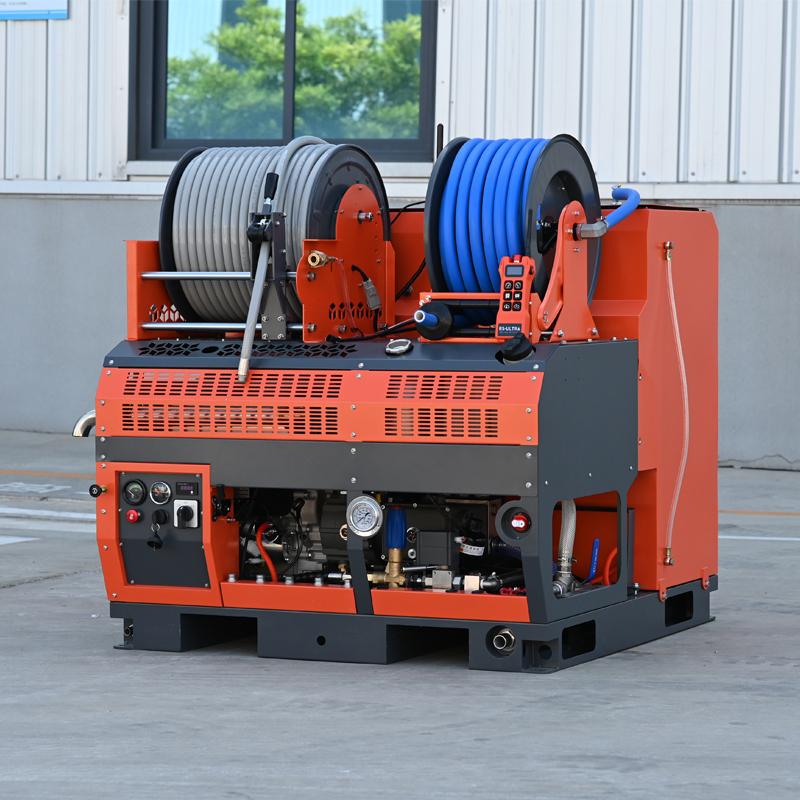
On the flip side, automated pipe cleaning systems offer a modern alternative, using high-pressure water jets or robotic tools to tackle blockages with precision. These systems can quickly clear out debris, scale, or buildup without much manual intervention, making them ideal for commercial or industrial settings. They're designed to be more efficient and consistent, reducing downtime and minimizing risks. For instance, a business might choose an automated system to handle regular maintenance, cutting down on labor costs and ensuring pipes stay in top shape year-round.
When weighing the options, think about your specific needs: manual systems might be cheaper upfront and suitable for occasional DIY fixes, but automated ones often provide better long-term value through higher reliability and less wear-and-tear. Ultimately, the choice comes down to balancing simplicity against automation, helping you find the right fit without overcomplicating things.
Top Brands and Models for Industrial Pipe Maintenance
When it comes to maintaining industrial pipelines, the choice of equipment can make or break operational efficiency. Top brands like NIBCO, Victaulic, and Mueller Industries have earned their reputations through decades of innovation and reliability. For instance, NIBCO's ProPress system is widely praised for its quick installation and leak-proof performance in commercial applications, while Victaulic's grooved piping solutions offer flexibility and durability in harsh environments. These models often feature advanced materials such as stainless steel or corrosion-resistant alloys, ensuring longevity and reducing downtime in facilities like water treatment plants and chemical processing units.
Beyond the big names, specialized models from companies like GF Piping Systems and Swagelok stand out for niche applications. GF Piping's PurePipe range is ideal for industries requiring high-purity fluid handling, such as pharmaceuticals and food production, thanks to its smooth inner surfaces and contamination-free design. Swagelok's tube fittings, on the other hand, are a go-to for high-pressure systems in oil and gas sectors, where precision and safety are non-negotiable. These options highlight how selecting the right model isn't just about brand loyalty; it's about matching specific pipe maintenance needs with proven, tailored solutions that go beyond off-the-shelf offerings.
In practice, many facilities opt for a hybrid approach, blending established brands with emerging models to optimize maintenance strategies. For example, pairing Mueller's robust valves with newer smart sensors from startups can enable predictive maintenance, catching issues before they escalate. This dynamic landscape ensures that industrial pipe maintenance remains a cutting-edge field, driven by both time-tested brands and innovative newcomers that push the envelope in durability, efficiency, and cost-effectiveness.
Essential Accessories for Enhancing Cleaning Performance
When tackling household cleaning tasks, the right accessories can transform a mundane chore into a breeze, significantly boosting your efficiency and results. From microfiber cloths that trap dust without leaving streaks to extendable dusters that reach high corners with ease, these tools are designed to tackle common cleaning challenges head-on. For example, rotating scrub brushes for bathrooms can remove grime from tiles with minimal effort, while specialized grout cleaners ensure every nook and cranny sparkles, making your spaces look professionally cleaned.
Beyond basic tools, innovative accessories like steam mops and handheld vacuums offer versatile solutions for different surfaces and situations. Steam mops use hot vapor to sanitize floors without harsh chemicals, ideal for homes with pets or allergies, while compact vacuums with crevice tools make quick work of tight spaces under furniture or in cars. These options not only save time but also enhance hygiene, providing a thorough clean that traditional methods might miss.
To personalize your cleaning routine, consider accessories with ergonomic designs or multifunctional features, such as foldable mop buckets or adjustable spray bottles for homemade cleaners. By investing in quality accessories tailored to your needs, you can achieve spotless results with less strain, turning cleaning into a more manageable and even enjoyable part of home maintenance. Remember, the best tools often combine durability with practicality, helping you maintain a fresh and organized environment effortlessly.
How to Choose the Right Machine for Your Specific Needs
When selecting a machine for your particular needs, it's crucial to start by clearly defining your goals and the tasks you'll perform regularly. Whether you're looking for a computer, kitchen appliance, or industrial tool, consider factors like intended usage, required performance, and long-term maintenance. Avoid getting swayed by flashy features that don't align with your actual workflow—instead, focus on how well the machine handles the core functions you rely on daily, which can save both time and resources in the long run.
Delve into the specifics by testing or researching real-world performance rather than relying solely on technical specifications. User reviews, hands-on demos, and expert insights can reveal nuances about reliability and ease of use that numbers alone might miss. For instance, a machine praised for its durability in rugged environments might outperform a similar model with higher specs but poor build quality, ensuring your investment stands the test of time and varied conditions.
Don't overlook the importance of adaptability and future-proofing your choice. As needs evolve, a machine with modular components or upgrade options can offer better longevity compared to a fixed design. Weighing upfront costs against potential savings or productivity gains helps strike a balance, ensuring the machine not only meets current demands but also supports growth without frequent replacements.
Maintenance Tips to Extend the Life of Your Equipment
A little care today can save you a lot of trouble tomorrow. Think of your equipment not as a static tool but as a living system that thrives on attention. For instance, if you're dealing with mechanical parts, a simple habit like wiping down surfaces after use prevents corrosive buildup that silently eats away at materials over time. It's often the small, consistent actions—like checking for loose screws or unusual vibrations—that catch issues before they escalate into costly repairs.
Beyond routine checks, consider the environment where your equipment operates. Extreme temperatures, humidity, or dust can accelerate wear in ways that aren't immediately obvious. If you notice your machine running hotter than usual, it might be a sign to improve ventilation or schedule a deeper inspection of cooling components. Adapting maintenance to seasonal changes, such as lubricating parts more frequently in dry conditions, can make a surprising difference in longevity.
Lastly, don't overlook the value of proper storage and handling. When equipment isn't in use, storing it in a clean, dry place protects it from accidental damage and environmental stress. Training users on correct operation—like avoiding sudden starts or overloading—reduces strain that shortens lifespan. By treating maintenance as an ongoing dialogue with your tools, you build resilience that pays off in reliable performance year after year.
FAQ
Focus on machines with high pressure output (over 2000 PSI), durable construction materials like stainless steel, versatile nozzle attachments for different pipe diameters, and safety features such as automatic shut-off systems to prevent accidents.
They use a combination of high-pressure water jets and specialized chemical agents designed to break down stubborn substances without damaging the pipes, often adjustable for varying clog severity and pipe material compatibility.
Yes, many models are adaptable; residential units typically offer lower pressure (around 1500 PSI) and portability, while commercial versions provide higher power (up to 5000 PSI), larger water tanks, and are built for frequent, heavy-duty use in settings like factories or large buildings.
Regularly clean filters and nozzles to prevent blockages, check hoses and seals for wear or leaks, use recommended cleaning solutions to avoid corrosion, and schedule professional servicing annually to maintain pressure calibration and internal components.
Yes, some models incorporate water recycling systems to minimize waste, use biodegradable chemicals, and feature energy-efficient pumps that lower electricity consumption, making them suitable for projects with sustainability goals.
Always wear protective gear like goggles and gloves, ensure the machine is properly grounded, never point the nozzle at people or animals, follow manufacturer guidelines for pressure settings, and receive training on emergency procedures in case of malfunctions.
They often include digital controls for precise pressure adjustment, remote operation capabilities via apps, sensors that detect pipe conditions to auto-adjust settings, and data logging features to track cleaning efficiency and maintenance needs.
Conclusion
When sourcing top pipe cleaning machines, focusing on key features such as power, flexibility, and durability is crucial for achieving optimal results. Compare manual systems, offering control for precise tasks, with automated options that excel in efficiency for large-scale industrial maintenance. Leading brands like RIDGID, General Pipe Cleaners, and Spartan Tool provide reliable models tailored to various needs, from heavy-duty drain cleaning to sewer line maintenance. To enhance performance, consider essential accessories such as high-quality nozzles, cameras for inspection, and extension cables, which can significantly improve cleaning accuracy and effectiveness.
Choosing the right machine involves assessing specific requirements like pipe diameter, material, and frequency of use, ensuring a fit for your operational demands. Additionally, proper maintenance tips, including regular cleaning, lubrication, and storage in dry conditions, can extend equipment life and maintain peak performance. By integrating these aspects—from feature selection and brand comparison to accessory usage and upkeep—this guide helps users navigate the complexities of pipe cleaning equipment sourcing, ultimately leading to better, long-lasting results in industrial and commercial settings.
Contact Us
Contact Person: Mike
Email: [email protected]
Tel/WhatsApp: +86 19545555505
Website: https://www.amjeting.com/