

Wear Resistant Steel Plate Factory: Innovative Solutions for Durable Industrial Applications
2026-01-16
In today's demanding industrial environments, durability and longevity are non-negotiable. From mining equipment to construction machinery, the relentless wear and tear can quickly compromise performance and safety. This is where Jiangsu Baowu New Materials emerges as a game-changer. Our expertise in manufacturing wear-resistant steel plates isn't just about producing tough materials—it's about pioneering innovative solutions tailored for the toughest applications. As industries evolve, so do the challenges, and our commitment to research and development ensures that we stay ahead of the curve. In this blog, we'll explore how our advanced wear-resistant steel plates are revolutionizing industrial durability, offering insights into the technology behind them and the real-world benefits they deliver. Discover why choosing the right material can make all the difference in enhancing efficiency and reducing downtime.
Leading Innovations in Wear Resistant Steel Plate Production
In recent years, the production of wear resistant steel plates has seen groundbreaking advancements that are reshaping industrial applications. One key innovation lies in the development of advanced microalloying techniques, where elements like niobium, vanadium, and titanium are precisely integrated into the steel matrix. This isn't just about adding more materials; it's about creating a finer grain structure that dramatically enhances hardness and toughness simultaneously. Unlike older methods that often sacrificed one property for another, these new approaches allow plates to withstand extreme abrasion and impact without becoming brittle, making them ideal for harsh environments like mining equipment or construction machinery.
Another exciting leap is the adoption of sophisticated heat treatment processes, such as quenching and partitioning (Q&P), which have moved beyond traditional tempering. By carefully controlling cooling rates and alloy composition, manufacturers can now produce steel plates with a unique balance of retained austenite and martensite phases. This results in a material that not only resists wear more effectively but also offers improved weldability and formability. It's a game-changer for industries that need durable yet workable components, enabling custom fabrication without compromising on longevity.
Moreover, digital technologies and automation have revolutionized production lines, facilitating real-time monitoring and precise control over every stage from smelting to rolling. This ensures consistent quality and allows for tailored properties in each batch, meeting specific client demands with unprecedented accuracy. As these innovations converge, wear resistant steel plates are becoming smarter, more efficient, and more versatile, pushing the boundaries of what's possible in durability and performance across sectors.
Customized Solutions for High-Durability Industrial Applications
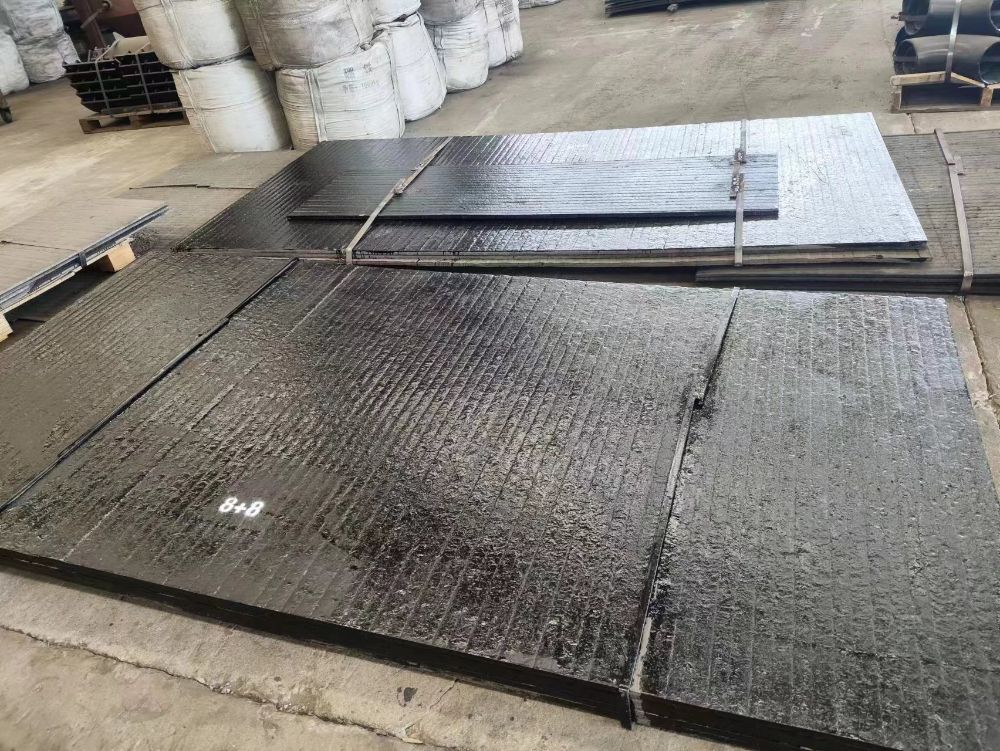
When it comes to high-durability industrial applications, one size definitely doesn't fit all. Picture a chemical processing plant where standard equipment might corrode in weeks, but with tailored solutions using specific alloys and coatings, equipment can last years. These custom setups often involve detailed material testing and environmental simulations to ensure every component can withstand extreme conditions—think temperatures from sub-zero to scorching, or exposure to aggressive chemicals. By focusing on durability from the ground up, businesses reduce downtime and maintenance costs dramatically, making operations smoother and more reliable over the long haul.
What sets these customized solutions apart is how they integrate seamlessly with existing workflows. For instance, in a high-pressure manufacturing line, custom-designed parts might include reinforced joints or specialized seals that handle intense forces without failing. The approach goes beyond just swapping out parts; it involves analyzing the entire system to spot potential weak points and addressing them with innovative designs. This could mean using advanced composites or engineered ceramics that traditional solutions overlook, ensuring performance doesn't dip even under continuous stress.
Ultimately, the value lies in the adaptability and foresight built into these solutions. Unlike generic options that might work okay for a while, customized approaches are future-proofed against evolving challenges like increased production demands or new regulatory standards. By collaborating closely with engineers and technicians on-site, providers can tweak designs in real-time, creating systems that not only last longer but also improve efficiency. This hands-on, iterative process means industries get solutions that truly fit their unique needs, delivering resilience that generic alternatives can't match.
Advanced Technologies Enhancing Steel Plate Longevity
Innovations in metallurgy and surface treatments are significantly extending the lifespan of steel plates. For instance, the development of high-chromium alloys creates a self-healing oxide layer that actively resists corrosion, even in harsh environments like marine or chemical processing settings.
Nano-coatings represent another breakthrough, where ultra-thin layers applied through advanced deposition techniques provide exceptional barrier properties without adding bulk. These coatings can deflect UV radiation and repel contaminants, effectively slowing wear and tear over time.
Smart monitoring systems equipped with embedded sensors enable real-time tracking of structural stress and environmental exposure. This data-driven approach allows for predictive maintenance, addressing issues before they escalate, thereby maximizing durability and reducing lifecycle costs.
Sustainable Practices for Eco-Friendly Manufacturing
For manufacturers aiming to reduce their environmental footprint, implementing sustainable practices has become essential, not just for compliance but as a core business strategy that resonates with today's eco-conscious consumers. By integrating green technologies like solar panels and wind turbines, companies can significantly cut down on energy consumption, often leading to substantial long-term savings alongside enhanced brand appeal. Moreover, adopting circular economy principles—where waste is minimized through recycling and reusing materials—helps in closing the loop, ensuring that resources are kept in use for as long as possible, which directly combats landfill overflow and resource depletion.
Beyond energy and waste management, sustainable manufacturing involves rethinking product design from the ground up. For instance, using biodegradable materials or designing products for easy disassembly can drastically slash post-consumer waste, making them more environmentally friendly throughout their lifecycle. This approach not only reduces the ecological impact but also fosters innovation, as companies explore alternative materials and processes that are less harmful to the planet. Emphasizing durability over disposability encourages consumers to invest in quality products that last, thereby reducing the frequency of replacements and the associated waste.
Another critical aspect is water conservation, where eco-friendly manufacturing practices include implementing closed-loop water systems to recycle and reuse water within production processes. By monitoring and optimizing water usage, industries can minimize their impact on local water sources, which is particularly vital in water-scarce regions. Coupled with transparent supply chain management that prioritizes ethical sourcing and reduced carbon emissions, these efforts build a holistic approach to sustainability, ensuring that every step of the manufacturing journey aligns with environmental goals and enhances corporate responsibility.
Real-World Applications in Heavy-Duty Industries
Heavy-duty industries, such as construction and mining, rely heavily on robust machinery to handle demanding tasks. For instance, advanced hydraulic systems are now integral to excavators, enabling precise digging and lifting in challenging terrains, which boosts operational efficiency and reduces manual labor risks. These innovations not only enhance safety but also contribute to faster project completion times, making them indispensable in modern infrastructure development.
In the agricultural sector, heavy-duty equipment like combines and tractors have incorporated GPS and automation technologies to optimize planting and harvesting processes. This integration allows for more accurate resource use, minimizing waste and increasing crop yields, thereby supporting sustainable farming practices and meeting growing global food demands without straining natural resources.
The transportation and logistics field sees applications in heavy-duty trucks equipped with telematics and predictive maintenance systems. These tools monitor vehicle health in real-time, scheduling repairs proactively to avoid costly breakdowns and ensuring reliable delivery schedules, which is crucial for supply chain resilience and reducing downtime in high-volume operations.
Future Trends and Developments in Wear Resistant Materials
The landscape of wear resistant materials is shifting toward smarter, more sustainable solutions that don't just withstand harsh conditions but adapt to them. Innovations like materials with self-healing capabilities, which can repair minor surface damage during downtime, are gaining traction in industries from mining to aerospace. These advanced composites often incorporate nano-additives that enhance toughness while reducing weight, offering a dual benefit of durability and efficiency. Additionally, the integration of sensors into wear-resistant coatings allows real-time monitoring of material degradation, enabling predictive maintenance that cuts downtime and extends equipment life.
Sustainability is becoming a key driver, pushing researchers to develop wear resistant materials from recycled or bio-based sources without compromising performance. For instance, new ceramic-matrix composites derived from industrial waste are showing promise in high-temperature applications, reducing environmental impact while maintaining cost-effectiveness. This trend aligns with global circular economy goals, as industries seek materials that are not only long-lasting but also easier to recycle or repurpose at end-of-life, minimizing resource consumption and waste.
On the technological front, additive manufacturing is revolutionizing how wear resistant components are produced, enabling complex geometries and tailored material properties that were previously unattainable. 3D-printed metal alloys with gradient hardness, for example, can optimize wear resistance at critical points while improving overall material flexibility. Coupled with AI-driven design tools, this allows for rapid prototyping of customized solutions for specific abrasion or corrosion challenges, accelerating innovation cycles and reducing time-to-market for next-generation materials in sectors like automotive and energy.
FAQ
Our factory prioritizes precision engineering and custom alloy compositions, allowing us to create steel plates that outperform standard options in high-stress environments, ensuring both durability and cost-effectiveness.
These steel plates are widely used in harsh settings like mining equipment, construction machinery, and material handling systems, where resistance to abrasion and impact is crucial for longevity and safety.
We utilize advanced heat-treating techniques and proprietary surface-hardening methods, which significantly boost wear resistance without compromising the steel's structural integrity or machinability.
We employ high-grade alloys such as AR400, AR500, and custom blends that include chromium, boron, and manganese, tailored to specific wear demands and environmental conditions.
Stringent testing protocols, including impact resistance checks and microstructural analysis, are conducted at every stage to meet international standards and client specifications for performance.
Clients achieve reduced downtime, lower maintenance costs, and extended equipment life, thanks to our plates' superior wear prevention in demanding industrial operations.
Yes, we offer tailored solutions with varied thicknesses, sizes, and alloy adjustments to fit unique applications, from cutting edges to protective linings, ensuring optimal performance.
Conclusion
The wear resistant steel plate factory exemplifies how cutting-edge innovations in production techniques, such as advanced metallurgical processes and automation, are revolutionizing the industry. By integrating customized solutions tailored to diverse industrial demands, these factories ensure high durability and performance in challenging environments. This approach not only meets specific application needs but also enhances efficiency through precision engineering, setting a benchmark for quality and reliability in heavy-duty sectors.
Leveraging eco-friendly manufacturing practices and emerging technologies, these factories promote sustainability while extending product longevity with reduced environmental impact. Their real-world applications across mining, construction, and agriculture demonstrate tangible benefits, from increased equipment lifespan to cost savings. Looking ahead, ongoing research into new materials and smart manufacturing trends promises to further elevate durability and adaptability, positioning wear resistant plates as indispensable components in future industrial advancements.
Contact Us
Contact Person: Zoe Liang
Email: [email protected]
Tel/WhatsApp: 86 189 2128 6299
Website: https://www.baowuchina.com