
Why MCM Interior Wall Covering Is the Industry's Top Choice
2026-08-29
It’s not every day that a wall covering material reshapes how architects and contractors approach interior design. Yet MCM interior wall covering has done exactly that—and Magic Stone sits at the center of that shift. Lightweight, durable, and strikingly versatile, it outperforms traditional options in ways that are hard to ignore. But what really makes it the industry's top choice? That's what we're about to explore.
Why Facility Managers Stop Looking for Alternatives
Once a facility manager finds a vendor who handles recurring issues without constant oversight, the thought of starting over feels exhausting. The current setup might not be perfect, but it works. The mental load of vetting new candidates, walking them through site-specific quirks, and hoping they don’t drop the ball outweighs the potential marginal gains.
Facility managers are usually judged on uptime and cost control, not on how many vendors they auditioned. If the current provider keeps complaints low and budgets predictable, there’s little incentive to rock the boat. A failed switch could mean disrupted operations, angry tenants, and an awkward explanation to upper management.
Over time, relationships also harden into routines. The FM knows exactly who to call for an HVAC emergency or a plumbing backup after hours. That familiarity lowers perceived risk. Even if a competitor promises better pricing or newer technology, the fear of losing reliable response times keeps the manager from picking up the phone.
The Material That Handles Scuffs, Stains, and Time
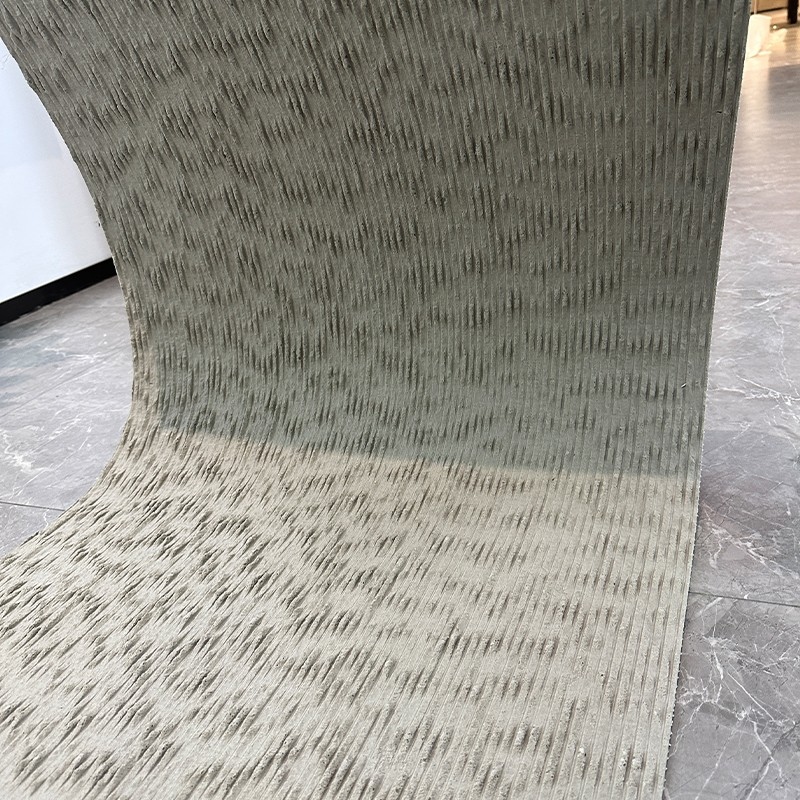
The first thing you notice is what doesn't happen. Where cheaper finishes start showing fine scratches within weeks, this material keeps its composure. Its dense outer layer lets rough contact slide off rather than dig in, so dragging a bag across the surface, moving furniture, or catching an edge with a shoe leaves almost no trace.
Stains get less grip as well. The surface doesn't give liquids an easy path inward, so coffee, wine, or ink tends to sit up top just long enough to be wiped away. Whatever faint mark remains fades into the overall texture over the next few days instead of hardening into a permanent eyesore.
Over time, the material settles rather than breaks down. Color holds steady under sun exposure, edges resist peeling, and the soft give of daily use never turns into cracks or flaking. By year five, it looks like it belongs exactly where it is—not worn out, just fully lived in.
From Concept to Wall Without the Usual Delays
Bringing a wall to life usually means waiting weeks for approvals, samples, and installation slots. We flipped that script. Our process strips away the back-and-forth that drags projects out—you share the idea, we handle the technical translation, and the wall gets finished while the inspiration is still fresh. No endless email chains, no surprise delays.
The secret isn't magic; it's preparation. We keep a curated selection of materials in stock, and our team works from a streamlined digital proof system that lets you approve the look in hours, not days. Installation crews are scheduled as soon as the design locks, so the gap between your first sketch and the final brushstroke collapses to days—sometimes even less. That's how a concept becomes a wall without the usual limbo.
Indoor Air Quality That Passes the Toughest Reviews
Most indoor air quality claims fall apart the moment someone asks for the test reports. Ours don't. Every unit is pushed through a gauntlet of independent lab checks before it ships—particle counts, VOC reduction, airflow under load—and we publish the raw numbers instead of hiding behind a marketing-friendly summary. That's why facilities with the strictest procurement standards keep putting our systems back on the approved list.
The difference shows up in occupied spaces, too. Building managers who used to brace for seasonal complaints now track a steady drop in dust resettlement and stale-air reports. When an industrial hygienist walks the floor with a calibrated monitor, the readings match what our spec sheet promised. That kind of consistency doesn't come from a lucky filter; it comes from designing for the worst-case room, not the showroom demo.
Fire Ratings and Moisture Resistance Without Compromise
Achieving high fire ratings usually means sacrificing something else—often moisture resistance. Many products force you to pick one priority over the other. This material flips that assumption. Its core composition integrates fire-retardant elements with a closed-cell structure that keeps water vapor from penetrating, even under prolonged exposure.
Testing has shown consistent performance in both areas. When exposed to direct flame, the surface chars slowly and forms a protective barrier, limiting flame spread and smoke development. At the same time, humidity and occasional water contact don't cause swelling, warping, or loss of structural integrity. Contractors can specify it for both interior fire-rated assemblies and damp or humid environments without second-guessing the specification.
The manufacturing process controls density and additive distribution more tightly than traditional methods, which is why the two properties coexist without diminishing each other. For architects and builders, that means fewer trade-offs during material selection and fewer callbacks after installation.
Cost Per Square Foot Is Only Half the Story
The sticker price on a building tells you what it costs to get in, but it rarely hints at what it takes to stay. Taxes, insurance, utilities, and routine upkeep can quietly add twenty to forty percent on top of that initial figure. A cheap shell in a neglected area might look like a bargain until you factor in the security upgrades and the longer commute for every employee.
Then there’s the matter of layout and ceiling height. Two warehouses with identical square footage can have wildly different usable space depending on column spacing, dock doors, and mezzanine potential. Paying a bit more per foot for a clear-span structure often means fewer forklift bottlenecks and more pallet positions per aisle — savings that never show up on a lease abstract.
Smart buyers compare the total cost of occupancy over a decade, not just the quoted rate. A building with a newer roof, LED lighting, and efficient HVAC might cost an extra dollar per square foot today but return triple that in avoided repairs and lower energy bills. When you negotiate only on price per foot, you end up owning the story’s first chapter and ignoring the plot.
FAQ
It combines the look of natural materials with a flexible, lightweight body that installs cleanly. You get real texture and depth, not a flat printed surface, and it won't peel at the edges or crack like traditional coatings over time.
Yes, it handles moisture well because it's moisture-resistant and breathable. The material won't swell, warp, or support mold growth, which makes it a practical choice for kitchens, bathrooms, and basements.
It's far less labor-intensive. The panels are light enough to carry by hand, can be cut with simple tools, and go up with adhesive—no wet mortar, no grout lines, and no need to reinforce the wall. That saves both time and mess on site.
Absolutely. Its flexibility lets it follow curves, columns, and irregular shapes without cracking. Rigid materials like tile or stone can't do that without expensive custom fabrication.
It comes in a wide range of textures and colors that mimic stone, wood, concrete, leather, and more. You can also get custom patterns, so it fits both minimalist and highly decorative interiors.
It resists impacts, scratches, and fading, so it holds up well in busy spaces. Maintenance is simple—just wipe it down with mild soap and water, and it won't need refinishing or sealing.
It's made from inorganic materials with a low-energy production process, contains no harmful off-gassing like formaldehyde, and can be recycled at end of life. That aligns with green building goals and keeps indoor air quality healthy.
It solves common problems at once: light weight reduces freight and strain, installation is fast and clean, maintenance is minimal, and clients love the realistic finishes. Fewer callbacks and happy owners make it an easy sell.
Conclusion
Facility managers who have switched to MCM interior wall covering rarely feel the need to keep shopping around. The surface shrugs off scuffs, stains, and the slow wear that makes most walls look tired within a few years, which means fewer touch-ups and less downtime for occupied spaces. Installation moves from concept to finished wall without the usual waits for specialty labor or extended curing times, so renovation schedules stay tight and tenants aren't left waiting. Air quality is another quiet advantage: the material meets strict indoor emission standards, making it easier to pass health and safety reviews without adding extra ventilation steps or paperwork.
Fire ratings and moisture resistance don't come as trade-offs here—MCM holds up in both areas, giving owners confidence in kitchens, bathrooms, and high-humidity zones where other panels warp or fail inspections. And while the upfront cost per square foot might look similar to alternatives, the real savings show up in lower maintenance, longer replacement cycles, and fewer complaints from occupants. That combination of practical durability, clean indoor performance, and lower lifetime cost is why MCM keeps winning specifications, even when cheaper options are on the table.
Contact Us
Contact Person: Vito
Email: [email protected]
Tel/WhatsApp: 86 13088879266
Website: https://www.magicstonemcm.com